
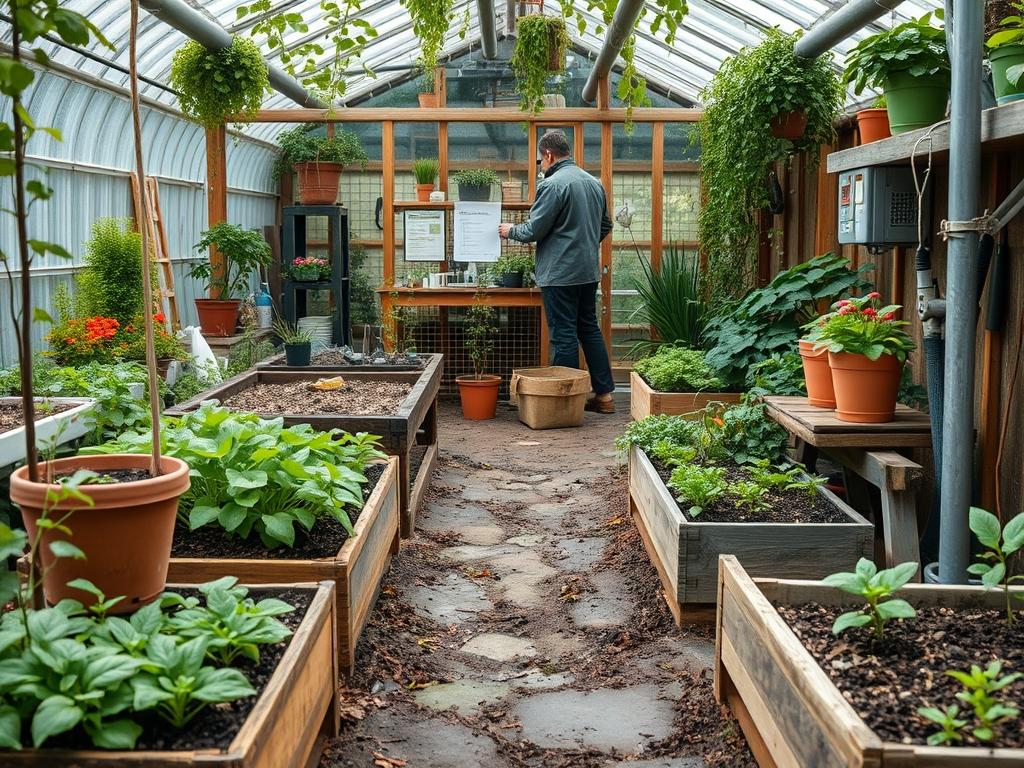
Winter storage in a professional landscape requires more than simply placing tools inside a wooden box and locking the door. For a landscape architect, the outbuilding is a critical component of the site plan that influences both the aesthetic value and the long-term functionality of the property. When planning for the colder months, the primary challenge often shifts from aesthetic maintenance to structural protection, specifically guarding against the localized migration of small mammals seeking warmth. A shed that is poorly integrated into the garden design becomes a beacon for pests, which can eventually lead to the destruction of expensive equipment and the degradation of the landscape itself. Effective Rodent-Proof Shed Tips begin with the understanding that your garden is an ecosystem; if you provide a warm, accessible shelter near a food source, nature will inevitably take advantage of it. Integration of the shed into the overall landscape design requires a focus on site orientation, foundation stability, and the mitigation of habitat-forming debris.
Successful winter storage is not just about the interior of the structure but also about the envelope of space surrounding it. A landscape architect looks at the “zone of influence” around a building, which typically extends 3 to 5 feet from the perimeter. In this zone, the goal is to create a high-visibility, low-shelter environment that discourages nesting. By utilizing clean lines and proper grading, you can ensure that the shed remains a functional asset rather than a liability during the dormant season. Curb appeal is maintained when the shed looks intentional, clean, and well-kept, which is why the transition between the turf and the structure must be handled with precision. Furthermore, the choice of materials used in the immediate vicinity of the shed foundation will dictate how attractive the site is to burrowing animals. Professional site planning ensures that the structure remains dry, inaccessible, and integrated into the broader aesthetic of the property.
Landscape Design Principles
Symmetry and focal points play a vital role in how an outbuilding is perceived within a backyard layout. A shed should not be hidden in a dark, damp corner; this placement invites moisture and provides the cover rodents desire. Instead, position the structure as a balanced focal point or an anchor for a specific garden room. Use Concrete Piers or a Gravel Pad to elevate the structure at least 6 to 12 inches above the soil line. This elevation is one of the most effective Rodent-Proof Shed Tips because it eliminates the dark, damp crawl space where pests thrive. It also allows for airflow, which preserves the Pressure-treated Lumber used in the floor joists.
Irrigation planning must also account for the shed’s location. Avoid placing sprinkler heads where they will directly spray the siding or saturate the ground beneath the structure. Visual balance is achieved by layering plants of varying heights around the shed, but these must be spaced at least 24 inches away from the walls. This creates a “dead zone” that can be filled with Polished River Rock or Crushed Granite. Walkways leading to the shed should be constructed from solid materials like Flagstone or Pavers set on a Polymeric Sand base to prevent weeds and tunneling. By designing with these layers in mind, you create a landscape that is both beautiful and inherently resistant to the pressures of local wildlife.
Plant and Material Selection
Selecting the right vegetation and hardscape materials is crucial for maintaining a clean perimeter. Focus on plants that offer low density at the ground level and avoid thickers or heavy groundcovers like English Ivy.
| Plant Type | Sun Exposure | Soil Needs | Water Demand | Growth Speed | Maintenance Level |
| :— | :— | :— | :— | :— | :— |
| Lavender | Full Sun | Well-Drained | Low | Moderate | Low |
| Rosemary | Full Sun | Sandy/Loamy | Low | Moderate | Moderate |
| Boxwood | Full/Part Sun | Loamy | Moderate | Slow | Moderate |
| Salvia | Full Sun | Average | Low | Fast | Low |
| Liriope Muscari | Part Shade | Adaptable | Moderate | Moderate | Very Low |
| Peppermint | Full/Part Sun | Moist | Moderate | Fast | High (In Pots) |
Implementation Strategy
The implementation of a rodent-resistant storage area begins with the Subgrade Prep. Start by excavating the footprint of the shed plus an additional 12-inch margin on all sides. Clear all organic material and roots to prevent future settling or decay. Once the area is clear, install a layer of Heavy-duty Geotextile Fabric to suppress weed growth and stabilize the base material. Fill this area with 4 inches of compacted Crushed Stone or 3/4-inch Clean Gravel. This provides excellent drainage and makes it nearly impossible for rodents to burrow upward into the floor of the shed.
Next, focus on the mechanical barriers. Before the shed is finalized, attach 1/4-inch Hardware Cloth or Stainless Steel Mesh to the bottom of the floor joists. This mesh should be folded down and buried 6 inches into the gravel surround. Use Galvanized Staples to secure the mesh, ensuring there are no gaps larger than a dime. When assembling the shed, pay close attention to the Sill Plates and door thresholds. Any gap larger than 1/4 inch should be sealed with a combination of Architectural Caulking and Stainless Steel Wool. Finally, apply a 6-mil Vapor Barrier if the shed is on a concrete slab to prevent moisture from wicking into stored cardboard or wooden crates, which can attract pests.
Common Landscaping Failures
One of the most frequent mistakes in backyard planning is improper Grading. If the land slopes toward the shed, water will pool against the foundation. This softens the wood and invites rot, which creates easy entry points for mice and rats. Another common failure is over-mulching. While Wood Mulch is aesthetically pleasing, piling it against the base of a shed creates a warm, soft substrate for tunneling. This is often referred to as a “mulch volcano,” and it is a primary driver of structural infestation.
Root overcrowding is another issue that landscape architects often correct. Planting large shrubs or trees too close to the shed can result in roots lifting the foundation or branches providing a “bridge” for squirrels and rats to reach the roofline. Maintain a 3-foot clearance between any tree canopy and the shed roof. Lastly, irrigation inefficiencies, such as leaky valves or poorly aimed emitters near the shed, create a constant water source for rodents during the dry winter months. Ensuring a dry perimeter is the cornerstone of professional rodent prevention.
Seasonal Maintenance
Landscape management is a year-round commitment. In the spring, inspect the Hardware Cloth for any signs of gnawing or displacement. This is also the time to prune any aggressive growth that may have crept toward the structure during the wet season. Summer maintenance involves keeping the grass short around the perimeter and ensuring the Gravel Base remains free of leaf litter and debris. High grass provides the cover that rodents need to move between the shed and their food sources.
Autumn is the most critical period for Rodent-Proof Shed Tips. As the temperature drops, rodents actively search for winter quarters. Clear out all old birdseed, grass clippings, or organic fertilizers from the shed, or store them in Galvanized Metal Cans with tight-fitting lids. Check the door seals and replace any worn Weatherstripping. During the winter, clear snow away from the base of the shed. Accumulated snow can bridge the gap between the ground and the siding, allowing pests to bypass your gravel barriers and chew through the wood at a higher point.
Professional Landscaping FAQ
How do I prevent rodents from digging under my shed foundation?
Install a perimeter of 1/4-inch Hardware Cloth buried 6 to 12 inches deep around the base. Combine this with a Crushed Stone or Gravel pad to eliminate the soft soil required for tunneling and nesting.
Can certain plants actually deter rats and mice?
Yes, aromatic herbs like Lavender, Peppermint, and Rosemary can act as mild natural deterrents. However, these should complement mechanical barriers like Steel Mesh and proper Grading rather than serving as the sole method of protection.
What is the best material for a shed’s immediate perimeter?
3/4-inch Crushed Stone or River Rock is ideal. These materials provide excellent drainage and lack the organic warmth of Wood Mulch, making the area around the shed far less attractive for nesting and burrowing.
How high should a shed be elevated for maximum protection?
A clearance of 6 to 12 inches is recommended. This elevation allows for light and airflow beneath the structure, which discourages rodents from settling. Ensure the area remains clear of stored items or debris to maintain visibility.
What is the most common entry point for pests in winter?
Rodents typically enter through gaps in the Door Threshold, corners of the Siding, or floor vents. Ensure all openings larger than 1/4 inch are sealed with Stainless Steel Wool and high-quality Silicone Caulk before the first frost.