
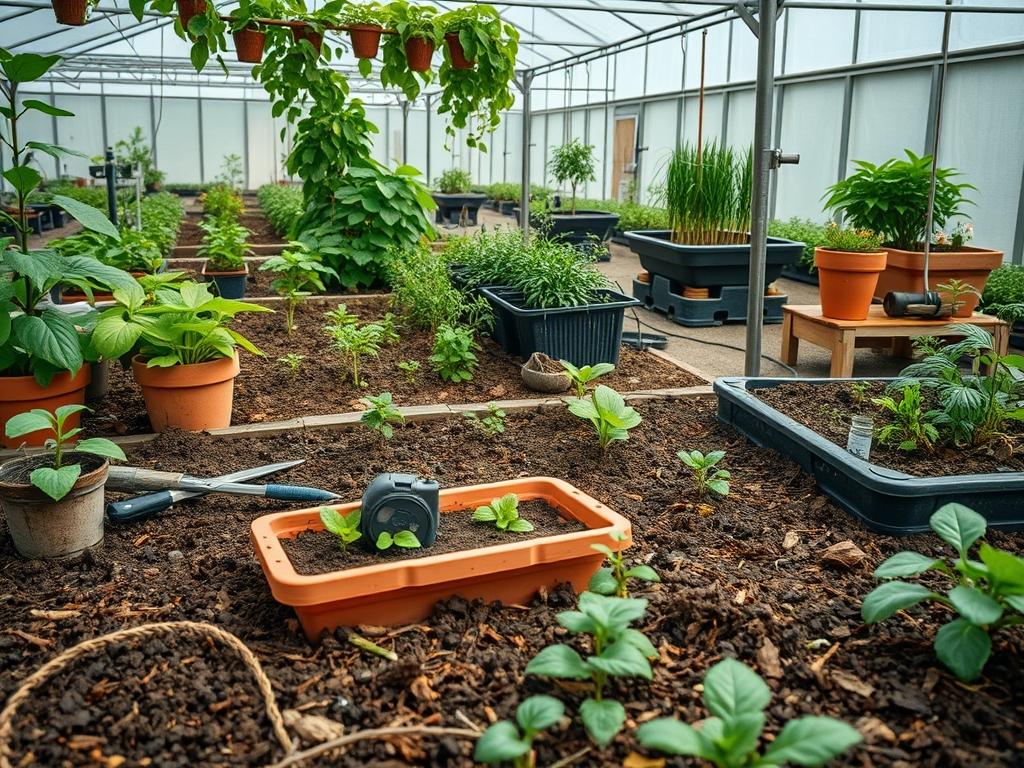
Managing a sophisticated residential landscape requires a comprehensive understanding of how architectural lines and organic growth intersect to create habitats. When we discuss Mouse Trap Placement, we are not merely addressing a basic pest control task; we are discussing the preservation of a property’s structural and aesthetic integrity. Rodents can quickly undermine the stability of retaining walls, chew through expensive polyethylene irrigation lines, and destroy the delicate root systems of ornamental grasses. Achieving a balance between a lush, inviting garden and a secure, pest-free environment involves a strategic evaluation of elevation, grading, and site-specific behavior patterns. Proper placement ensures that the beauty of the landscape remains unmarred while the functional elements, such as lighting cables and water systems, remains protected from gnawing damage.
Curb appeal is often the primary driver of landscape design, but functionality and hygiene must operate as the foundation. In high-density plantings or areas with significant ground cover, rodents find the perfect sanctuary. As architects, we aim to design out these vulnerabilities by utilizing transitions between hardscaping and softscaping effectively. Climate plays a significant role in this dynamic. In wetter regions, rodents seek the high ground provided by raised beds and stone terraces. In dryer climates, they are drawn to the moisture found in drip irrigation zones and shaded mulch beds. By integrating Mouse Trap Placement into the initial site plan, a designer can ensure that protection is invisible to the casual observer but highly effective in its utility.
Landscape Design Principles
A successful landscape relies on symmetry and the deliberate use of focal points to guide the eye. However, these same design elements often dictate the movement patterns of local wildlife. Rodents are inherently thigmotactic, meaning they prefer to move along solid edges where they feel protected on at least one side. When planning your garden layout, identify the linear paths created by brick edging, deck footings, and foundation walls. These are the primary corridors for rodent traffic. To maintain visual balance, any necessary pest control measures should be tucked into the shadows of these architectural features.
Elevation layers also contribute significantly to how a space is utilized by pests. A tiered garden with multiple retaining walls provides numerous hiding spots within the gaps of dry-stack stone. When designing these tiers, incorporate flat, stable surfaces at the base of the walls where bait stations or snap traps can be placed securely. These locations are ideal because they intersect with the natural vertical movement of mice as they climb between levels. Furthermore, ensure that walkways are clear of overhanging foliage for at least 6 inches to remove the overhead cover that rodents crave. This creates a psychological barrier that forces them toward the controlled areas where traps are positioned.
Plant and Material Selection
| Plant Type | Sun Exposure | Soil Needs | Water Demand | Growth Speed | Maintenance Level |
| :— | :— | :— | :— | :— | :— |
| English Lavender | Full Sun | Well-drained | Low | Moderate | Medium |
| Peppermint | Partial Shade | Loamy/Moist | High | Fast | High (Invasive) |
| Creeping Thyme | Full Sun | Sandy/Poor | Low | Moderate | Low |
| Japanese Boxwood | Part Sun/Shade | Multi-purpose | Moderate | Slow | Medium |
| Rosemary | Full Sun | Gritty/Dry | Low | Moderate | Low |
| Dwarf Fountain Grass| Full Sun | Adaptable | Medium | Fast | Low |
Strategic plant selection can serve as a natural deterrent. Many aromatic herbs like Rosemary and Lavender produce oils that are unpleasant to a rodent’s sensitive nose. While these plants will not eliminate a population, they help steer movement away from sensitive areas like outdoor kitchens. Conversely, Japanese Boxwood provides dense, year-round cover that requires careful monitoring. If you utilize dense shrubbery, ensure the interior structure of the plant is thinned occasionally to reduce nesting opportunities.
Implementation Strategy
The process of implementing an effective garden layout begins with proper grading. A site should always slope away from structures at a minimum of 2 percent to ensure that water does not pool near the foundation, as standing water attracts both insects and rodents. Once the grade is established, define your borders with heavy-duty steel edging or paving stones. This create a clear transition zone where Mouse Trap Placement can be standardized.
When setting the traps, follow the rule of the perimeter. Place tamper-resistant bait stations every 15 to 20 feet along the exterior of the home or garden shed. If using standard snap traps in a garden setting, they must be housed within a protective tunnel or a PVC pipe section to prevent non-target animals, such as songbirds or pets, from being harmed. Position the trigger end of the trap perpendicular to the wall. This ensures that a mouse traveling in either direction will encounter the mechanism.
For mulch depth, never exceed 3 inches. Deep mulch provides a subterranean highway for mice, allowing them to bypass surface-level traps. By maintaining a shallow mulch layer, you force the rodents to the surface. Integrate your traps near irrigation valve boxes and downspout exits, as these are high-traffic hydration points. Always use stainless steel wire or landscape staples to anchor external stations to the ground, preventing them from being moved by wind or larger wildlife.
Common Landscaping Failures
One of the most frequent mistakes in landscape architecture is improper spacing, leading to root overcrowding and a tangled canopy. This creates an impenetrable thicket that serves as a breeding ground for pests. When plants are spaced too closely, air circulation is restricted, and the resulting moisture trap can rot the base of the plants, providing easy entry points for burrowing mice. Always follow the species-specific guidelines for mature spread to maintain “air corridors” between specimens.
Drainage mistakes are equally detrimental. If a French drain or catch basin is not properly screened with galvanized hardware cloth, it becomes a protected entrance into the garden’s sub-grade. Soil compaction from heavy foot traffic or poor construction practices can also lead to surface tunneling, as rodents find it easier to move through the loose soil of a flower bed than the hardened earth of a path. Finally, irrigation inefficiencies, such as leaky sprinkler heads, create consistent water sources that keep rodent populations thriving even during the hottest summer months.
Seasonal Maintenance
Landscape management shifts with the transition of the seasons, and so should your strategy for Mouse Trap Placement. During the spring, focus on the perimeter as rodents begin to move away from their winter nesting sites toward the new growth in the garden. This is the time to clear away any dead perennial stalks and refresh the mulch to keep the ground surface visible and less attractive for nesting.
In the summer, the focus shifts to hydration points. Insects and heat will drive rodents toward water features and shaded patios. Monitor the areas around ac condenser units and hose bibs. As autumn arrives, rodents will seek warm, insulated spaces for the winter. This is the critical period for “hardening” the landscape. Clear all leaf litter and fallen fruit immediately. Ensure that any firewood stacks are elevated at least 12 inches off the ground and placed at least 30 feet away from the primary residence.
Winter maintenance involves checking traps more frequently, as food sources in the wild become scarce. Check for signs of activity in the crawl space vents and around the base of evergreen trees. If the ground freezes, ensure that your traps are shielded from snow and ice build-up, which can seize the mechanical components. A well-maintained landscape in winter is the best defense against a spring infestation.
Professional Landscaping FAQ
Where is the most effective place to set a trap in a garden?
Place traps along linear features like stone walls, foundations, or edging. Ensure the trap is perpendicular to the wall, as mice prefer following edges rather than crossing open spaces.
How can I hide traps without reducing their effectiveness?
Use commercial bait stations that mimic natural rocks or hide them inside hollowed logs and PVC pipes. These “tunnels” actually increase catch rates by making the rodent feel secure.
What is the best way to prevent traps from harming pets?
Always use weather-resistant bait stations with locking lids. These enclosures are designed to keep dogs, cats, and wildlife away from the internal mechanism or bait while allowing mice entry.
Do certain types of mulch attract more mice?
Yes, thick layers of straw or pine bark mulch provide excellent tunneling opportunities. To discourage activity, use shredded cedar mulch at a depth of no more than 2 to 3 inches.
How often should I move my traps to different locations?
If a trap hasn’t triggered in 5 to 7 days, relocate it to a new area of high activity. Check for fresh droppings or gnaw marks to determine the best new site.