
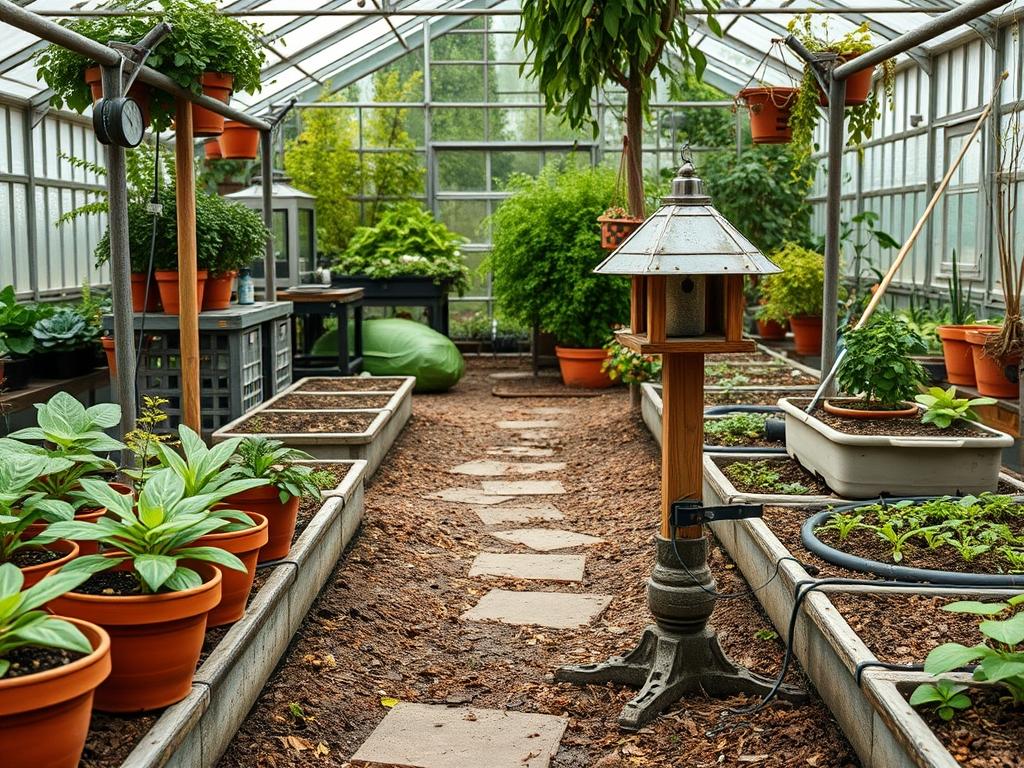
Integrating wildlife features into a cohesive landscape design requires more than simply hanging a station from a tree limb. As a landscape architect, I view every element of the outdoor environment as a functional component that must contribute to the overall health and aesthetic of the site. Bird feeders often serve as primary focal points within a garden, drawing the eye and providing the kinetic energy of movement to an otherwise static space. However, if these features are not maintained with clinical precision, they transition from a design asset to a biological hazard. Cleaning bird feeders is a fundamental pillar of responsible land management. When seed remains in a dispenser during periods of high humidity or heavy rainfall, it becomes a breeding ground for mold, bacteria, and avian diseases such as salmonella or mycoplasmal conjunctivitis. A poorly maintained feeding station can negatively impact the curb appeal of a high end property, resulting in unsightly ground debris, foul odors, and the presence of distressed wildlife. To maintain a pristine outdoor living space, homeowners must treat feeder maintenance as an extension of their broader irrigation and soil management protocols.
Landscape Design Principles
When planning the placement of avian features, professional architects rely on the principles of symmetry and elevational layers. A well designed landscape should offer a clear line of sight from the primary interior viewing windows, yet the feeder itself must be positioned in a way that respects the ecological needs of the birds. We often utilize the rule of thirds to place feeders off-center, creating a balanced but naturalistic feel. Symmetry is achieved by flanking the station with structural shrubs or decorative hardscaping elements.
Elevational layers are critical for both aesthetics and safety. A comprehensive design includes a high canopy for shelter, a mid-story for transitional flight paths, and a low story of grasses or perennials to hide the transition between the feeder post and the ground. Focal points should be anchored by permanent structures, such as a Cedar Post or a Wrought Iron Shepherd Hook, which are easier to clean than temporary plastic hangers. Furthermore, the ground beneath the feeder must be factored into the drainage plan. Heavy bird traffic and discarded seed hulls can compact the soil and alter the pH balance, necessitating the use of permeable materials like River Rock or Pea Gravel to facilitate drainage and simplify the removal of waste.
Plant and Material Selection
The following table outlines specific plant selections that complement bird feeding stations by providing natural cover, supplementary food sources, and aesthetic cohesion. These selections are chosen for their resilience and ability to withstand the increased nitrogen levels often found in concentrated bird activity areas.
| Plant Type | Sun Exposure | Soil Needs | Water Demand | Growth Speed | Maintenance Level |
| :— | :— | :— | :— | :— | :— |
| Purple Coneflower | Full Sun | Well-drained | Moderate | Medium | Low |
| Serviceberry | Part Shade | Loamy/Acidic | High | Slow | Medium |
| Switchgrass | Full Sun | Adaptable | Low | Fast | Low |
| Winterberry | Full/Part Sun | Moist/Clay | High | Medium | Medium |
| Eastern Red Cedar | Full Sun | Well-drained | Low | Medium | Very Low |
| Coral Honeysuckle | Full Sun | Rich/Moist | Moderate | Fast | Medium |
Implementation Strategy
Executing a professional garden layout requires careful attention to the subgrade and the surrounding hardscape. When installing a permanent bird feeding station, start by assessing the grading of the area. The ground should slope slightly away from the station to prevent water from pooling at the base. We recommend excavating a circle with a 3 foot radius around the feeder post. This area should be lined with a heavy-duty Non-woven Geotextile Fabric to prevent weed growth and separate the decorative aggregate from the native soil.
For the surface layer, apply a 3 inch depth of Decomposed Granite or a similar inorganic mulch. Unlike wood mulch, stone does not harbor mold spores from fallen wet seeds. Edging this area with Steel Landscape Edging or Tumbled Cobblestone creates a clean, intentional look that defines the space as a purposeful design element. If a cleaning station is built on-site, it should be situated near an outdoor hydrant or irrigation riser. A professional-grade Pressure Washer or a high-pressure hose nozzle is essential for removing stubborn biofilm and dried droppings from the feeder surfaces once every two weeks.
Common Landscaping Failures
The most frequent mistake in bird-centric landscaping is improper spacing relative to architectural features and foliage. Placing a feeder too close to Dense Evergreen Cover provides a staging ground for predators, while placing it too close to reflective windows increases the risk of bird strikes. Another common failure is the lack of a “sacrifice zone” beneath the feeder. Many homeowners attempt to grow sensitive turfgrass directly under a high-traffic feeder, only to be frustrated by “nitrogen burn” caused by accumulated droppings.
Soil compaction is another significant issue. Constant foot traffic during cleaning routines can compress the loamy soil structure, leading to poor drainage and root suffocation for nearby plants. Furthermore, irrigation inefficiencies occur when automatic sprinkler heads are directed toward the feeder. If the seed becomes wet during every watering cycle, it will rot within 48 hours. Designers must ensure that irrigation zones are calibrated to bypass the feeding station entirely, keeping the seed dry and the surrounding landscape hydrated via targeted Drip Irrigation Emitters.
Seasonal Maintenance
Maintenance requirements fluctuate with the transition of the seasons, necessitating a proactive management calendar. During the spring, as migratory patterns increase, feeders should be disinfected weekly. A 10 percent bleach solution or a dedicated Feeder Cleaning Solvent should be used to scrub all components, including the internal baffles and perches. Ensure the feeder is completely dry before refilling, as residual moisture trapped in Tube Feeders will trigger rapid fungal growth.
In the summer, high temperatures accelerate the fermentation of nectar in hummingbird feeders. These must be cleaned every two to three days. Autumn requires a deep cleaning of the surrounding hardscape. Use a Stiff-bristled Broom or a Shop Vac to remove the accumulated “seed rain” that has fallen over the growing season. This prevents the hulls from breaking down into a thick, anaerobic sludge. During the winter, concentrate on removing snow and ice buildup from the lids and perches. While temperatures are lower, pathogens can still persist in the warmth of the bird’s body, making a monthly deep-scrub essential even in freezing conditions.
Professional Landscaping FAQ
How often should I deep clean my bird feeders?
At a minimum, you should perform a deep cleaning every two weeks. During periods of heavy rain or high bird activity, increase this frequency to once per week. Use a Bottle Brush to reach the interior corners of the feeder.
What is the best material for a bird feeder base?
Inorganic materials such as Powder-coated Metal or Recycled Plastic are superior to wood. They are non-porous and do not absorb bacteria or oils from the seed, making them significantly easier to sanitize with a 10 percent bleach solution.
How do I prevent “nitrogen burn” on my lawn?
Install a 3 foot diameter area of Pea Gravel or River Rock directly under the feeder. This prevents droppings and seed hulls from contacting the soil and lawn, allowing you to simply rinse or rake away the debris periodically.
Can I use a pressure washer to clean my feeders?
Yes, a Pressure Washer is highly effective for removing hardened debris from wooden or plastic feeders. However, be careful with delicate components and always follow up with a disinfectant soak to ensure all microscopic pathogens are neutralized before reassembly.
What is the safest way to dry a feeder after washing?
Air drying in direct sunlight is the best method. UV rays provide an additional layer of natural disinfection. Ensure the feeder is bone-dry before refilling to prevent the new seed from clumping or developing mold within the reservoir.