
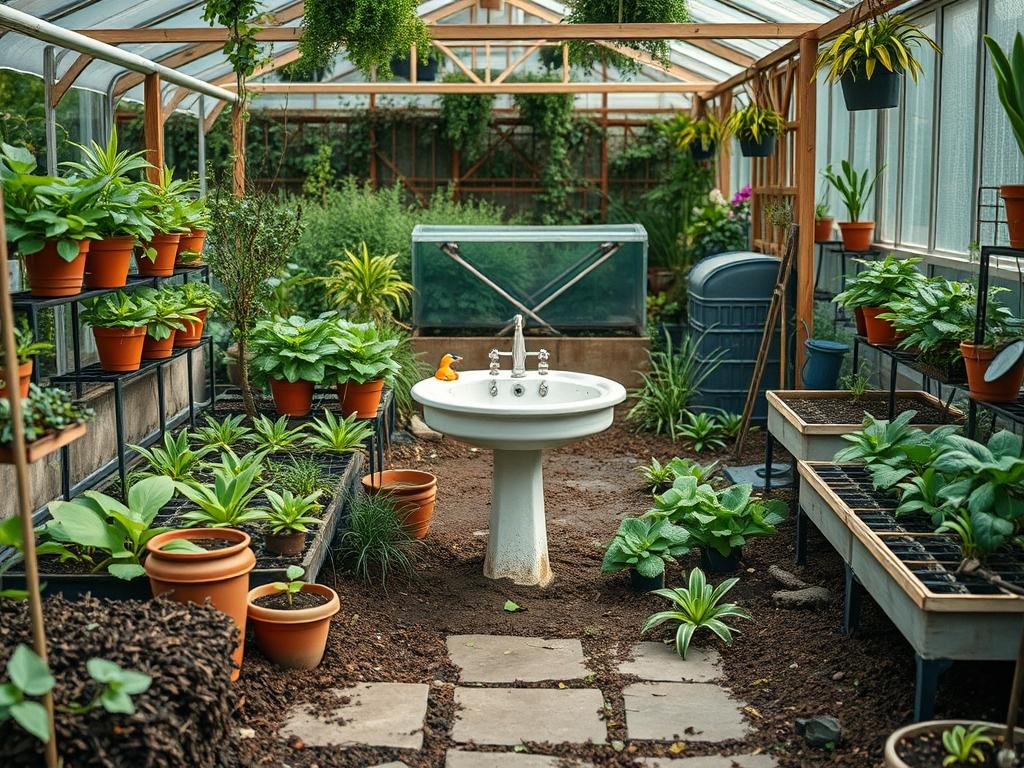
Integrating a water feature into a professional landscape design serves as both a functional utility for local ecosystems and a high-value aesthetic focal point. As a landscape architect, I view the bird bath not merely as a decorative bowl, but as a critical node within the broader garden infrastructure. When properly executed, these features anchor the visual weight of a flower bed and provide necessary hydration for avian populations. However, the success of such an installation depends heavily on bird bath sanitation. Without a rigorous maintenance protocol, a beautiful stone basin can quickly transition from an asset to a liability, harbor pathogens, and detract from the curb appeal of a well manicured estate. Climate plays a significant role in this management. In humid regions, stagnant water becomes a breeding ground for mosquitoes and algae within forty-eight hours. Conversely, in arid environments, evaporation rates lead to mineral buildup that can etch and damage expensive masonry. Achieving a balance between outdoor functionality and biological safety requires a deep understanding of site grading, water sourcing, and the behavior of the wildlife the feature is intended to support.
Landscape Design Principles
Effective placement of a bird bath follows the same rigorous standards as any structural element in a site plan. Symmetry and focal points are paramount. A basin placed at the terminus of a sightline, such as the end of a formal walkway, creates a sense of arrival. To achieve visual balance, the height of the pedestal must relate to the surrounding elevation layers. If the bath is too low, it vanishes behind mid-level perennials; if it is too high, it appears disconnected from the ground plane. I typically recommend a height of 24 inches to 30 inches to provide birds with a clear line of sight to scan for predators while maintaining a presence above the mulch line.
Irrigation planning is another often overlooked principle. Integrating the bird bath near an existing irrigation manifold or a hose bibb simplifies the sanitation process. If the water source is too distant, homeowners are less likely to perform the frequent flushes required for proper hygiene. Furthermore, the surrounding “splash zone” must be considered. Constant overflow can saturate the soil, leading to root rot in sensitive species. By installing a small drainage chimney filled with river rock beneath the basin, you can manage runoff effectively while adding a textural element to the ground cover. This keeps the area dry, prevents soil compaction, and ensures the feature remains accessible across all seasons without creating a muddy perimeter.
Plant and Material Selection
The following table outlines the plant species and structural materials that best support a sanitary and aesthetically pleasing bird bath environment.
| Plant or Material Type | Sun Exposure | Soil Needs | Water Demand | Growth Speed | Maintenance Level |
| :— | :— | :— | :— | :— | :— |
| Serviceberry (Amelanchier) | Full Sun to Partial Shade | Well-drained, acidic | Moderate | Medium | Low (Pruning only) |
| Purple Coneflower | Full Sun | Lean to average | Low (Drought tolerant) | Fast | Low (Deadheading) |
| Switchgrass | Full Sun | Adaptable | Low | Fast | Minimal (Annual cutback) |
| Glazed Ceramic Basin | N/A (Material) | N/A | N/A | N/A | High (Easy to wipe) |
| Natural Granite | N/A (Material) | N/A | N/A | N/A | Low (Extremely durable) |
| Creeping Thyme | Full Sun | Gritty, well-drained | Very Low | Medium | Minimal (Steppable) |
Selecting the right material for the bath itself is as vital as the plants surrounding it. While plastic or resin options are affordable, they degrade under UV exposure and develop microscopic fissures that harbor bacteria. I prioritize glazed ceramic or high-fired terracotta for their non-porous surfaces. For a more organic, permanent feel, natural granite or basalt basins are unmatched. Although stone is porous, it can be treated with a non-toxic stone sealer to simplify the removal of biofilm and organic debris.
Implementation Strategy
The implementation of a wildlife watering station begins with site preparation. Start by excavating a 12-inch deep area that is twice the width of the pedestal base. This hole should be backfilled with crushed stone or 3/4-inch minus gravel to create a stable, draining foundation. Use a 4-foot carpenter level to ensure the base is perfectly horizontal. Even a slight tilt will result in uneven water depths, which can discourage smaller songbirds that require shallow water of only 0.5 inches to 1.5 inches.
Once the pedestal is set, surround the base with a weed barrier and a layer of landscape fabric, followed by a 2-inch layer of decorative river pebbles. This creates a clean aesthetic and prevents soil from splashing into the basin during heavy rains. For the sanitation infrastructure, keep a dedicated stiff-bristled scrub brush and a gallon of distilled white vinegar in a nearby weather-resistant storage bench. Modern backyard layouts often utilize a 10 percent vinegar to 90 percent water solution for cleaning. This avoids the use of harsh detergents or bleach, which can strip the natural oils from bird feathers and damage the surrounding native plants.
Common Landscaping Failures
The most frequent failure I encounter in residential gardens is poor drainage around the feature. If the land is not graded away from the bird bath, rainwater will pool at the base. This leads to soil compaction and creates an anaerobic environment where roots suffocate. Another common error is placing the bath directly under a heavy canopy of deciduous trees. While birds enjoy the shade, the constant influx of leaf litter, sap, and caterpillar droppings accelerates the growth of cyanobacteria and algae. This necessitates daily cleaning rather than the standard twice-weekly schedule.
Improper spacing and height also contribute to failure. Placing a bird bath too close to low-lying shrubs like Boxwood provides perfect concealment for stalking cats. A minimum clearance of 10 feet from dense cover is ideal. Furthermore, many enthusiasts fail to account for the material’s thermal mass. A dark cast iron basin in full Georgia sun will reach temperatures that can literally scald a bird. Always match the material to the local microclimate or ensure that the afternoon sun is filtered by a trellis or pergola.
Seasonal Maintenance
Landscape management shifts with the calendar, and bird bath sanitation is no exception. During the spring, as migratory patterns peak, the volume of activity increases. You must refresh the water daily to prevent the spread of avian diseases. This is the time to check the integrity of any sealants or masonry joints that might have been affected by winter frost.
In the summer, evaporation is the primary challenge. I recommend installing a dripper or a small solar-powered fountain to keep the water moving. Moving water is far less likely to attract mosquitoes and is highly attractive to birds. During the autumn, the focus shifts to debris management. Use a hand rake to clear fallen leaves from the “splash zone” to prevent them from rotting into the soil.
Winter maintenance depends on your hardiness zone. In regions where temperatures drop below freezing, a submersible de-icer or a heated bird bath is essential. Ensure all electrical components are plugged into a GFCI outlet for safety. If you are not using a heater, flip the basin over or move it to a garden shed to prevent the expansion of ice from cracking the concrete or ceramic structure.
Professional Landscaping FAQ
How often should I change the water for optimal sanitation?
During peak summer or migratory seasons, you should refresh the water every 24 to 48 hours. This prevents the accumulation of waste and disrupts the life cycle of mosquitoes. A quick rinse with a high-pressure nozzle is usually sufficient between deep cleanings.
What is the safest way to remove stubborn algae?
Empty the basin and scrub it with a mixture of one part white vinegar to nine parts water. Use a stiff-bristled brush to agitate the surface. Let the solution sit for several minutes before rinsing thoroughly with clean water to remove all acidity.
Should I add stones to the middle of the basin?
Yes, adding several flat river rocks that break the surface of the water provides a safe landing spot. This is particularly helpful for smaller species that may struggle with the depth of a standard 2-inch deep basin. Ensure the stones are also scrubbed regularly.
Can I use a pressure washer to clean my stone bird bath?
While a pressure washer is effective for removing lichen from granite, use caution on sandstone or cast stone. Excessive pressure can pit the surface, creating small pockets where bacteria thrive. A setting below 1,500 PSI is generally safe for dense natural stone.
Is it necessary to use a water clarifier?
Most commercial water clarifiers are designed for large ponds. For a bird bath, manual cleaning is much safer for wildlife. Avoid any chemicals that contain copper sulfate, as these can be toxic to birds and beneficial insects like honeybees that also visit the water.