
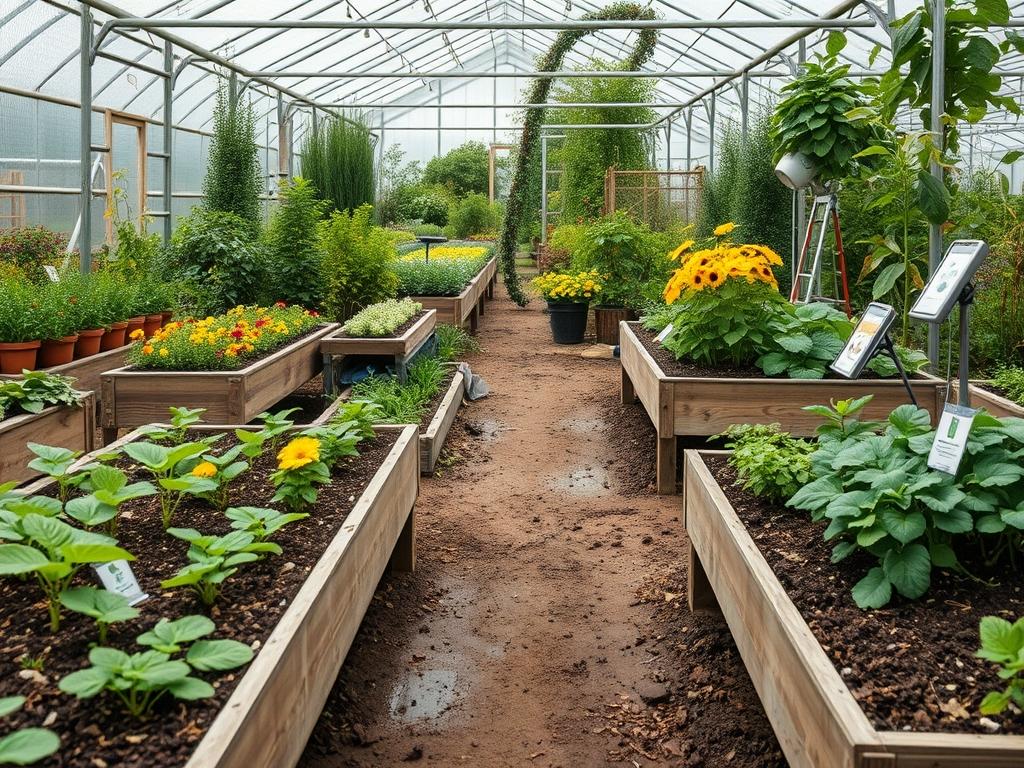
Achieving a vibrant, healthy landscape requires a nuanced understanding of how different biological actors interact within your flower beds. Aphids, those tiny, sap-sucking insects, are frequently the primary antagonist in a well-maintained garden. They reproduce rapidly, distorting new growth and secreting a sticky residue known as honeydew, which leads to unsightly sooty mold. While the immediate instinct may be to apply synthetic insecticides, these products often compromise the health of essential pollinators. In professional landscape architecture, we prioritize Bee-Friendly Aphid Cures to ensure the garden remains a productive and safe environment for biodiversity. The goal is to integrate pest management directly into the design and maintenance phases, ensuring the outdoor living space remains functional and aesthetically pleasing through every season.
Climate considerations play a massive role in aphid proliferation. In humid environments, the presence of honeydew can quickly turn into a fungal outbreak. In dryer climates, aphid-stressed plants may wilt more quickly due to compromised vascular systems. Curb appeal is significantly impacted when Roses, Lupines, or Hibiscus show signs of leaf curling or yellowing. As consultants, we view the garden as a system. If one part is failing, the entire visual balance of the property is at risk. By selecting the right materials and following a structured layout, we can mitigate these issues without harming the bees that are the lifeblood of our local ecosystems.
Landscape Design Principles
In professional landscape design, managing pests begins with the physical layout of the environment. Symmetry and visual balance provide the framework, but functionality dictates the spacing. We use focal points to draw the eye, but if those focal points, such as a Japanese Maple or a specimen Rose Bush, are infested with aphids, the design fails. To prevent this, we utilize elevation layers. Planting taller, hardy shrubs in the background and lower, pest-repelling groundcovers in the foreground creates a tiered defense system. This layering does more than add depth; it improves airflow, which is a natural deterrent for many soft-bodied insects.
Irrigation planning is another pillar of a resilient landscape. Standing water or overly saturated soil can stress plant roots, making the foliage more attractive to pests. We recommend a Drip Irrigation System centered around the root zones rather than overhead sprayers. Overhead watering often washes aphids from one plant to another or creates the moist environment that fungal diseases crave. Furthermore, the inclusion of Walkways and Stepping Stones is not just for accessibility. These features allow the homeowner to inspect plants closely without compacting the soil. Early detection of an aphid colony on the underside of a leaf can be the difference between a minor spot-treatment and a full-blown infestation.
Plant and Material Selection
The following table outlines plants that are either naturally resistant to aphids, act as “trap crops,” or attract beneficial predators like ladybugs and lacewings while remaining completely safe for bees.
| Plant Type | Sun Exposure | Soil Needs | Water Demand | Growth Speed | Maintenance Level |
| :— | :— | :— | :— | :— | :— |
| Lavender (Lavandula) | Full Sun | Well-drained, Sandy | Low | Moderate | Low |
| Nasturtium (Tropaeolum) | Full to Part Sun | Poor to Average | Moderate | Fast | Moderate |
| Fennel (Foeniculum vulgare) | Full Sun | Rich, Moist | Moderate | Fast | Moderate |
| Marigold (Tagetes) | Full Sun | Any, Well-drained | Moderate | Fast | Low |
| Yarrow (Achillea) | Full Sun | Lean, Dry | Low | Moderate | Low |
| Common Chives (Allium) | Full to Part Sun | Rich, Loamy | Moderate | Moderate | Low |
| Dill (Anethum graveolens) | Full Sun | Well-drained | Moderate | Fast | Moderate |
When selecting materials, we prefer Organic Cedar Mulch or Pine Bark Nuggets. These wood-based mulches help retain moisture for the plants while providing a habitat for ground-dwelling beneficial insects. Avoid dyed mulches that may contain chemicals harmful to the soil microbiome. For hardscaping, using Natural Limestone or Flagstone for Retaining Walls can help manage elevation changes, ensuring that water drains away from susceptible flower beds.
Implementation Strategy
Implementing a professional garden layout starts with a site analysis. First, evaluate the Grading of the land. Ensure that the soil slopes away from the foundation of the home at a minimum of 2 percent grade. If your flower beds are in a low-lying area, consider installing a French Drain or building raised beds using Pressure-Treated Timber or Natural Stone. This prevents the root rot that weakens plants and invites aphid attacks.
Once the site is graded, define your edges. A clean Steel Edging or a Plastic Landscape Border prevents grass from encroaching on your flower beds, reducing competition for nutrients. When you begin planting, follow the spacing recommendations strictly. A common mistake is planting for immediate fullness, which leads to overcrowding in two years. Overcrowded beds have poor sunlight penetration and stagnant air.
When you spot aphids, your first line of defense should be a High-Pressure Water Spray from a Garden Hose. This physically removes the insects without any chemical intervention. If the infestation persists, use a solution of Castile Soap mixed with water at a ratio of 1 tablespoon per gallon. Spray this in the late evening when bees are back in their hives. This ensures the soap dries before the bees return the next morning. For a more permanent biological solution, release Ladybugs or Green Lacewings into the garden. These predators can consume hundreds of aphids a day and are a staple of Bee-Friendly Aphid Cures.
Common Landscaping Failures
The most frequent failure we encounter in residential landscapes is improper fertilization. Homeowners often apply high-nitrogen fertilizers to force rapid growth and green leaves. However, aphids are attracted to the tender, succulent growth produced by excess nitrogen. Using a Slow-Release Organic Fertilizer or Compost is a much safer alternative. This strengthens the plant’s cell walls, making it harder for aphids to pierce the surface.
Soil compaction is another silent killer. In high-traffic areas, the soil becomes dense, preventing oxygen from reaching the roots. This stress makes the plant an easy target for pests. We recommend Aerating the soil annually and avoiding walking directly on the planting medium. Furthermore, ignore the temptation to use “weed and feed” products near flower beds. These systemic herbicides can find their way into the nectar of your flowers, creating a toxic environment for the very bees you are trying to protect. Finally, improper drainage often leads to “wet feet,” where roots sit in stagnant water. This not only invites aphids but also attracts mosquitoes and other undesirable pests.
Seasonal Maintenance
Seasonal management is the key to long-term success. In the Spring, focus on clean-up. Remove any dead stalks or debris where aphid eggs might have overwintered. Apply a 2-inch Layer of Fresh Mulch to regulate soil temperature. This is also the time to prune any crossing branches in your shrubs to maximize sunlight.
During the Summer, monitoring is your primary task. Check the undersides of leaves weekly. If you use Neem Oil for tougher infestations, apply it only at dusk and avoid spraying the flower blossoms directly. Late summer is often when aphid populations peak, so stay vigilant with the water hose.
In the Autumn, do not be too quick to “tidy up” the entire garden. Leaving some dried seed heads and hollow stems provides essential wintering sites for the bees and the predatory insects that will help you next year. Overseed any bare patches of soil with Clover or Native Grasses to prevent erosion over the winter months.
In the Winter, focus on your hardscape and tools. Sharpen your Pruning Shears and check your Irrigation Controller for any necessary repairs. If you have Deciduous Trees, this is the time for structural pruning. Removing weak or diseased wood now will ensure the tree has the vigor to resist pests when the sap starts flowing in the spring.
Professional Landscaping FAQ
What is the fastest way to get rid of aphids without killing bees?
The fastest method is using a sharp stream of water from a garden hose. This physically dislodges the aphids. For persistent problems, apply a mild soap solution only at dusk when pollinators are no longer active in the garden.
Should I use landscape fabric in my flower beds?
We generally advise against landscape fabric in high-quality flower beds. It can restrict the movement of beneficial ground-dwelling insects and often leads to soil compaction. Natural wood mulches are more effective for moisture retention and soil health.
How does mulch depth affect pest management?
A depth of 2 to 3 inches is ideal. Anything deeper can trap too much moisture against the plant stems, leading to rot. Anything shallower fails to suppress weeds and loses moisture too quickly, stressing the plants and attracting aphids.
Can certain plants actually attract more aphids to save my flowers?
Yes, this is called trap cropping. Nasturtiums are highly attractive to aphids. By planting them on the perimeter of your garden, aphids will often congregate there, leaving your primary ornamental plants, like Roses, untouched and healthy.
Does irrigation timing affect aphid populations?
Irrigating in the early morning is best. This allows the foliage to dry throughout the day. Damp foliage at night can lead to fungal issues and provides a more hospitable environment for aphids to thrive and reproduce quickly.