
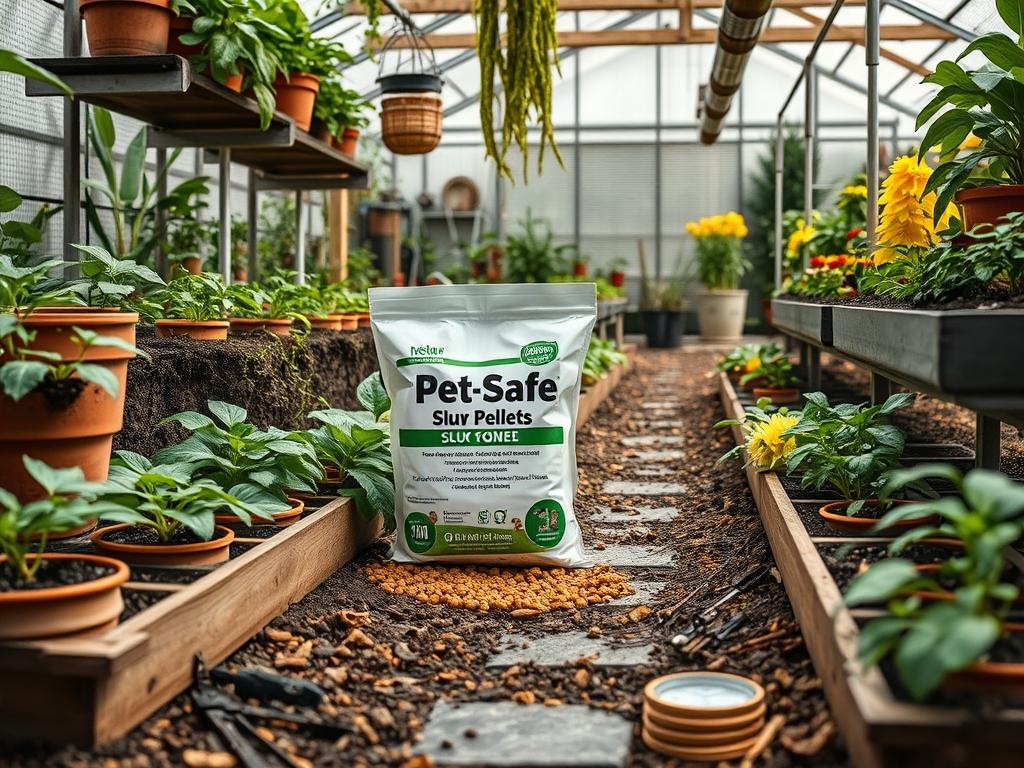
Developing a world-class landscape involves a delicate balance between aesthetic ambition and biological reality. One of the most frustrating obstacles for any consultant or homeowner is the sudden degradation of high-value plant specimens due to gastropod activity. Slugs and snails can decimate a newly installed Hosta border or a perennial bed of Delphiniums in a single night of damp weather. These pests do not merely create small holes; they strip the structural integrity of the foliage, destroying the curb appeal and the intended visual texture of the outdoor space. For a landscape to function as a premium living environment, the management of these pests must be integrated into the initial planning stages. Traditionally, this meant using aggressive chemical interventions, but the modern landscape architect must prioritize safety for inhabitants, particularly family pets and local wildlife. Understanding the nuanced differences in Pet-Safe Slug Pellets is essential for maintaining a pristine garden without introducing ecological hazards.
The market generally presents two primary types of slug control: those based on Metaldehyde and those based on Ferric Phosphate. For any pet-owner or environmentally conscious designer, the choice is clear. Metaldehyde is a neurotoxin that is highly attractive to dogs and cats due to the cereal-based carriers used in the pellets. It is incredibly dangerous and often fatal if ingested. In contrast, Pet-Safe Slug Pellets utilize Ferric Phosphate, also known as iron phosphate. This compound occurs naturally in the soil and works by disrupting the digestive systems of slugs and snails. Once ingested, the pests stop feeding immediately and retreat underground to die, which prevents the unsightly appearance of dead slugs scattered across your Flagstone walkways or Bluestone patios. Furthermore, Ferric Phosphate breaks down into iron and phosphate, essentially becoming a trace fertilizer for your soil.
Landscape Design Principles
Successful garden planning requires more than just plant selection; it requires an architectural understanding of how elements interact. Symmetry and visual balance provide the framework for a professional look. We often use focal points, such as a large Japanese Maple or a bespoke water feature, to draw the eye and create a sense of purpose within the space. However, these focal points are frequently surrounded by lush, low-lying greenery that serves as a primary habitat for slugs. When designing these areas, we consider elevation layers. By using Retaining Walls and terraced beds, we can improve drainage and reduce the localized humidity that slugs crave.
Walkways and hardscaping also play a functional role in pest management. A well-defined boundary of Crushed Granite or sharp River Rock can act as a minor physical deterrent, though it is rarely a complete solution. Irrigation planning is perhaps the most critical principle. Over-saturated soil and poorly timed sprinkler cycles create a tropical microclimate at the soil surface. By utilizing Drip Irrigation systems buried beneath a layer of Hardwood Mulch, we deliver water directly to the root zones, leaving the surface drier and less hospitable to pests. This strategic approach ensures that the visual balance of the garden remains unmarred by the skeletal remains of ravaged foliage.
Plant and Material Selection
Selecting the right plant material involves assessing the site’s environmental constraints and the desired maintenance level. The following table provides a guide for common species used in professional landscape designs that may require protection during their establishment phase.
| Plant Type | Sun Exposure | Soil Needs | Water Demand | Growth Speed | Maintenance Level |
| :— | :— | :— | :— | :— | :— |
| Hosta (Various) | Full Shade to Part Sun | Rich, Organic Matter | High | Medium | Moderate |
| Marigold | Full Sun | Well-Drained | Moderate | Fast | Low |
| Dahlia | Full Sun | Loamy, Well-Drained | High | Fast | High |
| Salvia | Full Sun | Sandy, Dry | Low | Fast | Low |
| Sword Fern | Full Shade | Humus-Rich | Medium | Moderate | Low |
| Delphinium | Full Sun | Alkaline, Fertile | High | Medium | High |
Implementation Strategy
The implementation of a professional landscape begins with site grading. Proper grading ensures that water flows away from the home foundation and prevents the standing pools that encourage pest breeding. After the sub-grade is established, we install edging to define the boundaries between turf and garden beds. We recommend a 4-inch Deep steel or heavy-duty plastic edge to prevent grass encroachment.
Once the structural elements are in place, the soil must be amended with organic compost to provide a nutrient-rich base. When planting, we ensure that the root ball is level with the surrounding soil to prevent stem rot. After planting, we apply a consistent layer of Bark Mulch, usually at a depth of 2 to 3 inches. This is the stage where Pet-Safe Slug Pellets should be applied, specifically targeting the perimeter of vulnerable species. Instead of creating large piles, which can be tempting for curious pets, the pellets should be scattered evenly and thinly, roughly one inch apart. This maximize the encounter rate for slugs while minimizing the profile of the bait.
Common Landscaping Failures
One of the most frequent failures in residential landscaping is the neglect of drainage dynamics. When water collects at the base of a wall or in a low spot in the lawn, it creates a sanctuary for slugs and causes root rot. The installation of a French Drain or a dry creek bed can mitigate these issues. Another common mistake is root overcrowding. Ambitious gardeners often plant specimens too close together to achieve an immediate full look, but this limits airflow and creates a dense, damp canopy where pests thrive.
Improper spacing also complicates maintenance, making it difficult to apply soil amendments or pest controls effectively. Soil compaction is another silent killer of landscape beauty. In high-traffic areas, the soil becomes compressed, preventing oxygen and water from reaching roots. This stress makes plants more susceptible to damage from pests. Finally, irrigation inefficiency, such as watering late in the evening, leaves the foliage wet throughout the night, which is the peak activity period for slugs. Morning watering is always the professional standard.
Seasonal Maintenance
Landscape management is a year-round commitment. In the spring, the focus is on waking up the garden. This involves removing winter debris, applying a fresh layer of mulch, and beginning the first application of Pet-Safe Slug Pellets as soon as the first green shoots of Hostas appear. This early intervention catches the first generation of pests before they can reproduce.
During the summer, the priority shifts to irrigation management and deadheading spent blooms to encourage secondary flowering. We check for signs of stress or pest outbreaks weekly. In autumn, clean-up is essential. Removing fallen leaves prevents the accumulation of overwintering sites for slugs. This is also the time for structural pruning of deciduous trees and shrubs. Finally, winter maintenance involves protecting sensitive plants from frost and ensuring that hardscape elements like Pavers and Retaining Walls are not damaged by ice expansion. By following this quarterly rhythm, the integrity of the design is preserved against both the elements and biological threats.
Professional Landscaping FAQ
Are pet-safe pellets truly harmless to dogs?
Yes, products containing Ferric Phosphate are considered low-toxicity. While they should not be consumed in large quantities, they do not pose the same life-threatening neurotoxic risks as traditional metaldehyde baits. Always scatter them thinly rather than leaving them in piles.
How often should I reapply slug pellets?
In high-moisture environments or after heavy rainfall, the pellets will naturally degrade. For professional results, we recommend re-evaluating the coverage every two to three weeks or whenever you notice significant pellet breakdown or new foliage damage.
Can I use these pellets in my vegetable garden?
Absolutely. Because Ferric Phosphate is a naturally occurring mineral that breaks down into soil nutrients, it is approved for use around edible crops. It is an excellent choice for protecting sensitive leafy greens and young starter plants.
What is the best time of day to apply pest control?
The most effective time to apply treatment is in the late afternoon or early evening. This ensures the bait is fresh when slugs emerge from their hiding spots at night to feed under the cover of darkness and moisture.
Why are my plants still being eaten after application?
Check for proper distribution. If pellets are too far apart, slugs may miss them. Also, ensure you are using Pet-Safe Slug Pellets early in the season. Once a population is established, it takes time to see a total reduction in activity.