
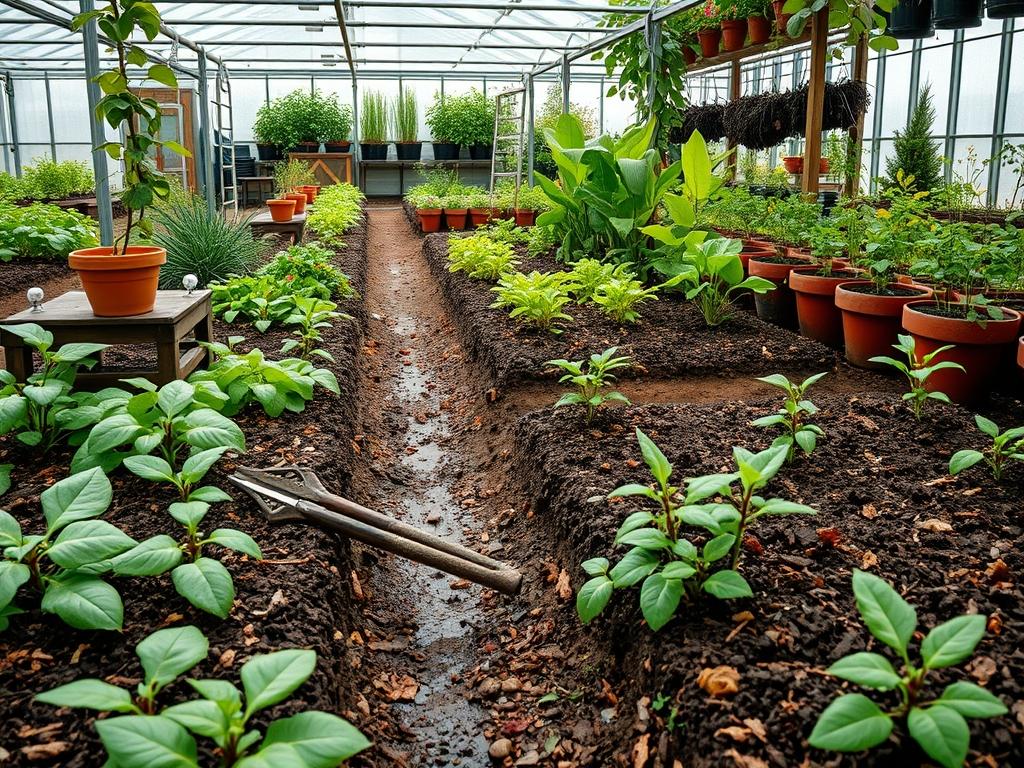
Maintaining a high performance landscape requires a delicate balance between aesthetic perfection and ecological health. When we design outdoor environments, we often focus on the structural elements like retaining walls, natural stone walkways, and ornamental grasses, but the biological health of the yard determines the long term success of the project. A primary challenge for many homeowners is managing pests without destroying the beneficial insect populations that provide natural pest control. This is where the selection of Ladybug Safe Pesticides becomes a critical component of a sustainable landscape management plan. Professional landscape architects view the yard as a living system where every chemical input has a cascading effect on the local microclimate and curb appeal. By choosing the right intervention methods, you can protect your investment in boxwoods, azaleas, and perennials while ensuring that your garden remains a sanctuary for predatory insects that work for you around the clock.
Designing a functional outdoor space involves more than just selecting beautiful plants; it requires an understanding of how moisture, light, and airflow interact to create either a healthy environment or a breeding ground for infestation. In high end residential landscaping, we look at drainage patterns and soil composition as the foundation of plant health. When a plant is stressed due to poor drainage or improper irrigation, it becomes a magnet for aphids, mites, and scale. Using Ladybug Safe Pesticides allows you to intervene during these stress periods without eliminating the beetles that naturally consume thousands of soft bodied pests over their lifetime. A healthy ladybug can eat up to 50 aphids a day, making them one of the most cost effective tools in your landscaping arsenal.
Landscape Design Principles
Successful garden planning relies on foundational principles such as symmetry, focal points, and elevation layers. Symmetry provides a sense of order and formality, often achieved through the mirrored placement of evergreen shrubs or tapered planters. Focal points, such as a large Japanese Maple or a bespoke water feature, draw the eye and provide a central anchor for the rest of the design. However, these focal points are often the most susceptible to visible pest damage, which can ruin the visual balance of the entire yard.
Elevation layers are equally important. By using retaining walls and tiered planting beds, we create depth and interest. This verticality also impacts how we apply treatments. When selecting Ladybug Safe Pesticides, one must consider the height of the application. High pressure sprayers might be necessary for tall canopy trees, but for lower groundcovers, a localized application of neem oil or insecticidal soap is more appropriate. Walkway planning should also account for maintenance access. Wide paver paths allow for the movement of heavy garden carts and broadcast spreaders without compacting the soil near the root zones of sensitive plants. Proper visual balance is maintained when the vegetation is lush and free of the distorted growth patterns caused by heavy pest feeding.
Plant and Material Selection
The following table outlines plants that are both aesthetically pleasing and conducive to a landscape that supports ladybug populations. These species often serve as “banker plants,” providing nectar and pollen for adult ladybugs while acting as a host for minor pest populations that keep the predators nearby.
| Plant Type | Sun Exposure | Soil Needs | Water Demand | Growth Speed | Maintenance Level |
| :— | :— | :— | :— | :— | :— |
| Achillea millefolium | Full Sun | Well-drained | Low | Fast | Low |
| Anethum graveolens | Full Sun | Rich/Moist | Moderate | Fast | Moderate |
| Coreopsis verticillata | Full Sun | Sandy/Loam | Low | Moderate | Low |
| Calendula officinalis | Full/Partial | Loamy | Moderate | Fast | Moderate |
| Fennel (Foeniculum) | Full Sun | Well-drained | Moderate | Fast | Low |
| Alyssum | Full/Partial | Average | Moderate | Fast | Low |
When selecting materials for hardscaping, always prioritize permeability. Using crushed stone or permeable pavers helps manage runoff and prevents the stagnant conditions that invite fungal diseases. Healthy soil, enriched with organic compost and protected by a 3-inch layer of cedar mulch, creates a resilient foundation that reduces the overall need for any form of pesticide.
Implementation Strategy
The transition from a design on paper to a physical landscape requires a structured implementation strategy. Begin with precise grading. The land must slope away from the home and any structural foundations at a minimum rate of 2 percent to ensure proper drainage. Once the grade is established, define your planting beds with clean edging. Whether you use steel edging, cobblestone, or a simple trenched edge, this boundary prevents turf grass from encroaching on your ornamental plants.
After the hardscaping is in place, focus on the soil. Use a tiller to incorporate organic amendments into the top 6 to 8 inches of the soil profile. This improves aeration and drainage. When planting, ensure that the root ball sits slightly above the surrounding soil level to prevent crown rot. Once the plants are installed, apply a high quality mulch. This suppresses weeds and retains moisture, meaning you will spend less time dragging hoses across the yard. When you do encounter pests during the establishment phase, reach for Ladybug Safe Pesticides like Bacillus thuringiensis (Bt) for caterpillars or horticultural oils for overwintering eggs. These products selectively target pests or work through physical action rather than broad spectrum toxicity, leaving your ladybug larvae unharmed.
Common Landscaping Failures
One of the most frequent mistakes in residential landscaping is the neglect of proper spacing. Homeowners often want “instant” privacy and plant Arborvitae or Leyland Cypress too close together. This results in root overcrowding and poor airflow, which creates a humid microclimate perfect for spider mites. Without enough room to grow, the interior foliage dies back, and the structural integrity of the plant is compromised.
Another common failure is soil compaction. Heavy foot traffic or the use of heavy machinery during construction can squeeze the pore spaces out of the soil, preventing oxygen and water from reaching roots. This leads to weak plants that are unable to defend themselves against borers and beetles. Furthermore, many people over-apply high-nitrogen fertilizers, which produce a flush of soft, succulent growth that is incredibly attractive to aphids. Finally, the use of broad-spectrum synthetic pesticides is a major setback. These chemicals kill the ladybugs along with the aphids, often leading to a secondary pest outbreak because the natural predators are no longer there to keep the population in check.
Seasonal Maintenance
Landscape management is a year-round commitment that changes with the seasons. In the Spring, focus on cleanup and prevention. Prune dead wood from hydrangeas and roses using sharp hand pruners. Apply a fresh layer of mulch and check your irrigation system for leaks or clogged nozzles. This is also the time to release ladybugs if your local population is low, ensuring they have plenty of habitat.
Summer maintenance revolves around water management and scouting. During periods of high heat, deep watering in the early morning is essential. Walk through the garden weekly to look for the first signs of pest activity. If an outbreak occurs, use point-treatments of Ladybug Safe Pesticides rather than spraying the entire yard. This targeted approach saves money and protects the beneficial insects residing in other parts of the garden.
In the Autumn, allow some leaf litter to remain in the back of your planting beds. This provides essential overwintering habitat for ladybugs and other pollinators. Cut back spent perennials, but leave some seed heads for birds. This is also the ideal time for core aeration of the lawn to combat compaction.
Winter is for structural maintenance and planning. Inspect retaining walls for shifting and clean your landscape lighting fixtures. Sharpen your shovels, loppers, and mower blades so they are ready for the first flush of spring growth. By maintaining a clean and organized landscape throughout the cold months, you reduce the number of hiding spots for detrimental pests.
Professional Landscaping FAQ
What makes a pesticide ladybug safe?
Products that utilize physical action, like horticultural oils, or biological agents that target specific larvae, like Bt, are generally safe. These do not leave long lasting toxic residues on foliage that would harm adult ladybugs or their larvae during movement.
How do ladybugs help my curb appeal?
By naturally managing aphid and scale populations, ladybugs prevent the sticky “honeydew” and black sooty mold that often coats leaves and walkways. This keeps your ornamental trees and shrubs looking vibrant, clean, and healthy throughout the growing season.
Can I use insecticidal soap on all plants?
No, some plants with waxy or hairy leaves can be sensitive to soaps. Always test a small area on species like ferns or conifers before a full application. Ensure the soap is diluted correctly to avoid burning the foliage.
Does mulch depth affect pest populations?
Yes, a consistent 3-inch mulch depth regulates soil temperature and moisture, reducing plant stress. However, avoid “mulch volcanoes” against tree trunks, as this creates a moist environment that attracts wood-boring insects and encourages rot at the base.
When is the best time to apply ladybug safe treatments?
Apply treatments in the early morning or late evening when beneficial insects are less active and temperatures are cooler. This prevents the sun from “burning” the wet leaves and ensures the product is dry before ladybugs begin their daily foraging.