
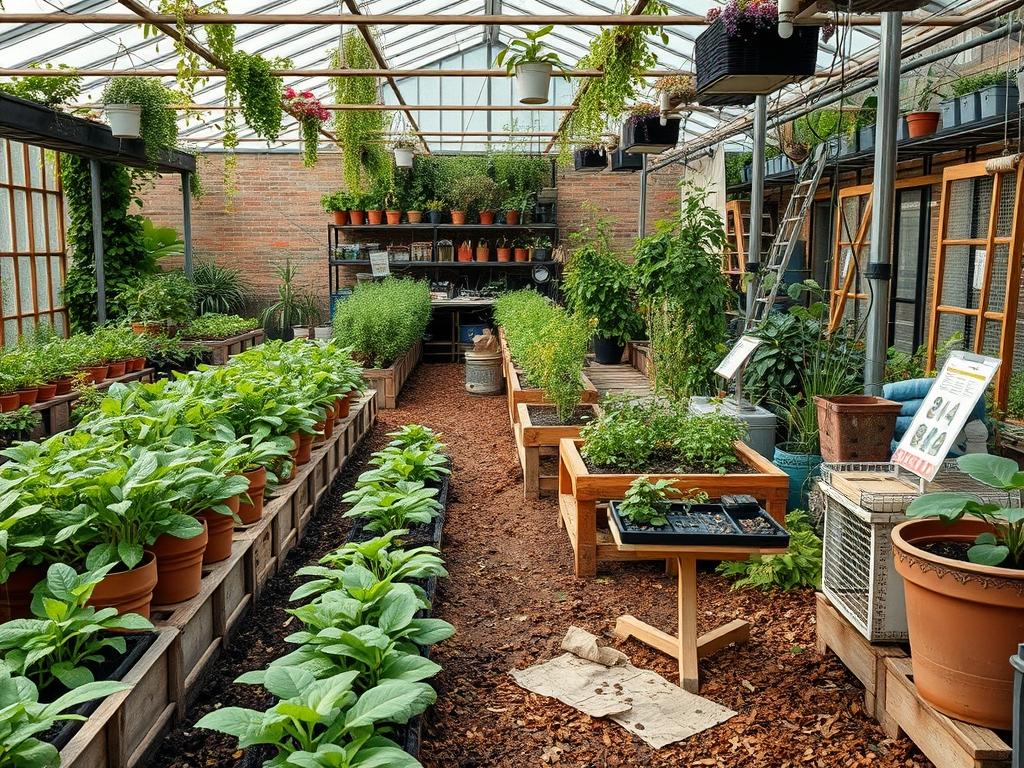
The integration of a residential landscape into the broader local ecosystem requires a shift from viewing the garden as a static painting to understanding it as a living, breathing habitat. When we discuss organic pest control ethics, we are not merely choosing different bottles of spray at the local nursery; we are committing to a philosophical framework that prioritizes long-term soil health and pollinator survival over the immediate eradication of every perceived nuisance. A successful outdoor environment balances the homeowner’s desire for curb appeal with the functional necessity of a balanced biotype. In many regional climates, the push for a sterile, perfectly manicured lawn has led to a decline in the very beneficial insects that keep pest populations in check. By adopting a more holistic approach, a landscape architect can create a space that feels luxurious and intentional while simultaneously serving as a sanctuary for local birds, bees, and butterflies. This transition involves careful planning of grades, understanding the specific drainage requirements of the site, and selecting a plant palette that thrives without heavy chemical intervention. The functionality of the outdoor living space is actually enhanced when the environment is healthy, as natural cycles reduce the need for constant, labor-intensive maintenance and the application of toxic substances that might otherwise limit the safety of the area for children and pets.
Landscape Design Principles
Effective landscape design begins with a clear understanding of symmetry and visual balance, which provides the structural backbone that allows for a more naturalistic, organic approach to planting. A focal point, such as a large specimen tree or a custom stone fountain, draws the eye and establishes a sense of order. Around these features, we layer the landscape through elevation changes. Using retaining walls made of natural fieldstone or limestone blocks, we can create tiers that not only look impressive but also provide diverse microclimates for different plant species. This layering is vital for biodiversity because different insects and animals utilize different vertical spaces within a garden.
Irrigation planning must be integrated into the design from the very beginning. Rather than relying on broad-spectrum oscillators that waste water and encourage leaf fungus, we utilize drip irrigation lines buried beneath a 3-inch layer of organic mulch. This targeted approach keeps the root zones hydrated while keeping the foliage dry, which is a primary step in organic pest control ethics. When the plants are not stressed by fluctuating moisture levels, they develop stronger cell walls and are naturally more resistant to aphid attacks or scale infestations. Furthermore, the layout of walkways using permeable pavers or crushed granite ensures that rainwater remains on-site, recharging the local water table rather than running off into storm drains and carrying sediments away. Visual balance is then achieved by repeating certain textures and colors, creating a cohesive aesthetic that feels both professional and grounded in the local environment.
Plant and Material Selection
| Plant Type | Sun Exposure | Soil Needs | Water Demand | Growth Speed | Maintenance Level |
| :— | :— | :— | :— | :— | :— |
| Purple Coneflower | Full Sun | Well-drained | Low | Fast | Low |
| Oakleaf Hydrangea | Part Shade | Rich, Acidic | Moderate | Medium | Moderate |
| Little Bluestem | Full Sun | Poor to Average | Very Low | Fast | Very Low |
| Serviceberry | Full Sun/Part Shade | Loamy | Moderate | Medium | Low |
| Wild Bergamot | Full Sun/Part Shade | Diverse | Moderate | Fast | Medium |
| River Birch | Full Sun | Wet/Clay | High | Fast | Moderate |
Implementation Strategy
The transition from a design on paper to a physical landscape requires a disciplined implementation strategy. The process starts with site grading to ensure that water moves away from the home foundation and toward designated rain gardens or collection points. A 2 percent slope is generally the standard for ensuring proper surface drainage without causing erosion. Once the rough grade is established, we focus on soil restoration. Often, construction leaves the ground beneath a new home as compacted subsoil that is devoid of life. We alleviate this by incorporating 4 inches of well-aged compost into the top 8 inches of soil using a heavy-duty tiller.
Edging is the next critical step. We use 14-gauge steel edging or tumbled Belgian block to create clean, sharp lines between the lawn and the planting beds. This is not just for aesthetics; it prevents aggressive turf grasses from migrating into the native perennials, reducing the need for chemical herbicides. When placing plants, we follow the spacing recommendations strictly to allow for mature growth. Overcrowding is a common mistake that limits air circulation and creates the humid conditions where pests thrive. After the plants are in the ground, we apply a 3-inch layer of double-shredded hardwood mulch. This mulch serves three purposes: it suppresses weeds, retains soil moisture, and eventually breaks down into organic matter that feeds the beneficial microbes in the soil. Hardscaping elements, such as flagstone patios or cedar pergolas, are installed last to prevent damage to the delicate new plantings. This orderly progression ensures that the organic pest control ethics are built into the very foundation of the yard through soil health and proper plant placement.
Common Landscaping Failures
The most frequent failure in modern landscaping is improper drainage management. When water pools near the root flares of trees or in the middle of a perennial bed, it leads to root rot and provides a breeding ground for mosquitoes and other unwanted pests. Another significant issue is the use of non-permeable surfaces. Large expanses of poured concrete increase heat island effects and force water to move too quickly across the landscape, stripping away topsoil.
Root overcrowding is another silent killer of garden health. Homeowners often want an instant landscape, leading them to plant 5-gallon shrubs too close together. Within three years, these plants compete for the same nutrients and sunlight, leading to weakened immune systems and higher susceptibility to disease. Soil compaction is equally detrimental. When heavy equipment is driven over the root zones of existing trees, the pore space in the soil is crushed, suffocating the roots. Finally, irrigation inefficiencies, such as watering in the late evening, can lead to chronic fungal problems. Following organic pest control ethics means understanding these mechanical and biological failures and designing the system to avoid them, rather than relying on a chemical spray to fix a problem caused by poor design.
Seasonal Maintenance
Seasonal maintenance is the heartbeat of a biodiverse landscape. In the spring, the focus is on cleanup and preparation. We remove the dead stalks of the previous year’s perennials, but only after temperatures consistently stay above 50 degrees Fahrenheit. This delay is crucial as many native bees and beneficial insects overwinter in the hollow stems of plants. We also apply a fresh 1-inch topper of compost to help feed the soil as the growing season begins.
Summer maintenance involves monitoring the drip irrigation system to ensure no emitters are clogged and adjusting the timing based on rainfall. We use hand-pruning shears to remove spent blooms, a process known as deadheading, which encourages many species to produce a second flush of flowers for pollinators. In the autumn, the mantra is “leave the leaves.” Shredded leaves make an excellent natural mulch that provides essential nutrients back to the soil. We also perform structural pruning on deciduous trees once they have entered dormancy, removing any crossing or dead branches with a sharp bypass lopper. Winter is the time for planning and tool maintenance. We sharpen shovels, spades, and mower blades to ensure clean cuts, which heal faster and resist infection. This year-round cycle focuses on strengthening the plants so they can defend themselves, which is the ultimate goal of organic pest control ethics.
Professional Landscaping FAQ
Why should I choose organic pest control for my home?
Organic methods protect the long-term health of your soil and ensure that your yard remains a safe environment for your family. By fostering a natural balance, you reduce the need for expensive, repetitive chemical treatments that can damage local water systems.
Does a biodiverse garden look messy or unkempt?
Absolutely not. By using professional design principles like symmetry, hardscape edging, and focal points, a garden that supports local wildlife can look just as sophisticated and polished as a traditional estate garden while offering much higher ecological value.
How do I handle a sudden pest outbreak without chemicals?
The first step is manual removal or a hard spray of water to dislodge the insects. If the problem persists, use insecticidal soaps or neem oil, which have lower toxicity and a shorter residual life than synthetic alternatives, protecting beneficial predators.
Will organic landscaping increase my property value?
Yes. Modern homebuyers value sustainable, low-maintenance landscapes that offer outdoor living functionality. A mature, healthy landscape with established native trees and perennials significantly improves curb appeal and creates a unique, desirable asset for any residential property.
Is organic maintenance more expensive than traditional landscaping?
While the initial investment in soil health and native plants may be slightly higher, the long-term costs are lower. You will save money on water, fertilizers, and chemical applications while spending less time on the labor-intensive tasks required by high-maintenance lawns.