
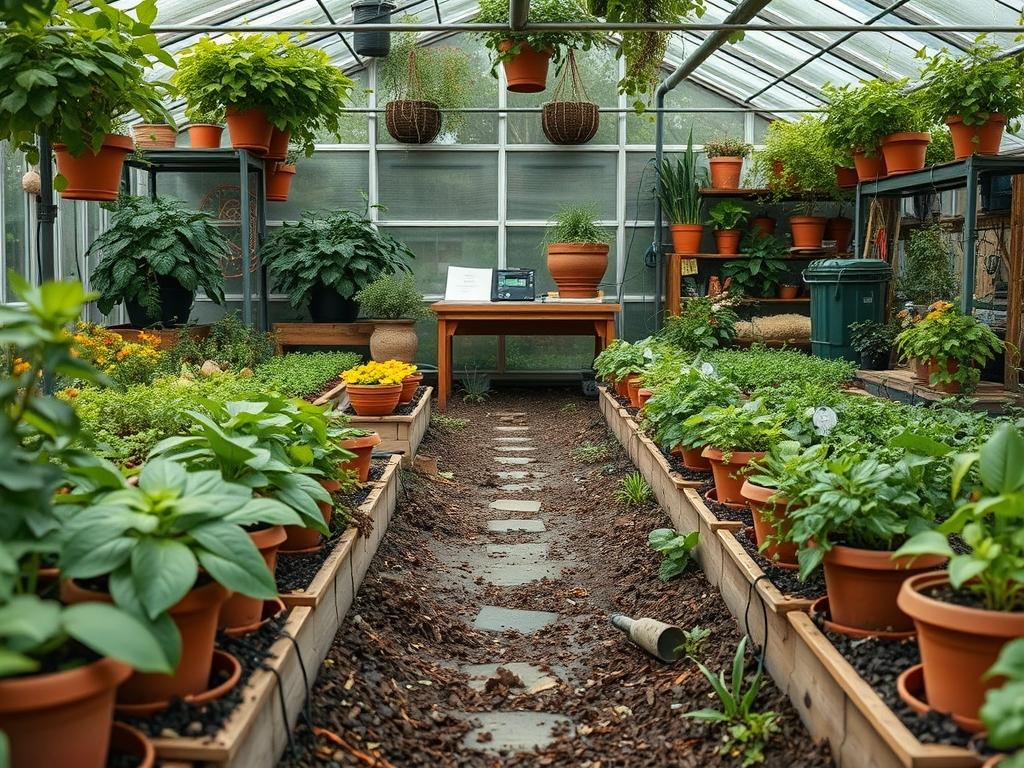
The transition from the lush growth of summer to the quiet dormancy of winter represents more than a change in temperature; it is a vital period for mitigating long term risks to the estate. In the world of professional exterior design, we recognize that the structural integrity of a garden is only as sound as its maintenance cycle. The fall cleanup pest benefits are the hidden foundation of a successful landscape plan. By removing the organic debris that serves as a nursery for invasive insects, we protect the investment made in high quality flora. This process involves a meticulous blend of horticultural practice and architectural foresight. We must consider how the slope of the land and the placement of hardscape elements influence the accumulation of moisture and leaf litter. Proper management during this window ensures that the following spring begins with a healthy, vibrant site rather than a series of expensive remedial treatments for scale, mites, or root rot. From a curb appeal perspective, a clean garden during the winter months showcases the underlying geometry of the design, providing a sense of order and intentionality even when the plants are not in bloom.
Effective outdoor functionality relies on a garden that functions as a balanced ecosystem. When we allow dead annuals and thick carpets of fallen leaves to remain against the base of trees or foundations, we create an ideal microclimate for pathogens and pests. These biological threats, such as aphids, slugs, and wood-boring beetles, seek out protected environments to survive the frost. Eliminating these habitats in the autumn reduces the initial population surge in the spring, which in turn reduces the need for heavy chemical interventions later. A proactive cleanup also allows for better assessment of the grading and drainage systems before they are hidden by snow or frozen by plummeting temperatures. Addressing these logistical challenges now prevents the saturated soil conditions that attract fungus gnats and lead to secondary root infections.
Landscape Design Principles
Symmetry and visual balance are the cornerstones of high end landscape architecture, but these principles must also serve a functional purpose in pest management. When planning the layout, we prioritize air circulation and light penetration. High density plantings that look beautiful in July can become death traps in December if they are not properly thinned. Focal points, such as a specimen Acer palmatum or a structured topiary, require a clear zone around their base to prevent the migration of ground level pests. Elevation layers provide visual interest but also dictate how water moves through the site. By utilizing retaining walls and tiered garden beds, we can direct runoff away from vulnerable root zones, thereby reducing the damp environments where pests thrive.
Walkways and hardscaping should be integrated with a focus on ease of maintenance. A well defined edge between a lawn and a planting bed serves as more than a visual boundary; it acts as a physical barrier that simplifies leaf removal and prevents the encroachment of turf pests into the delicate soil of a perennial bed. Irrigation planning must also be finalized in the fall. Ensuring that systems are blown out and drainage ports are clear prevents stagnant water pockets that could host larvae or cause structural damage to pipes during a freeze. A garden designed with these principles in mind is naturally more resilient and requires fewer resources to maintain its aesthetic standards year over year.
Plant and Material Selection
Selecting the right materials and flora is a strategic decision that affects the long term maintenance requirements of the property. We often recommend a mix of native plants and hardy ornamentals that are less susceptible to local pest pressures.
| Plant Type | Sun Exposure | Soil Needs | Water Demand | Growth Speed | Maintenance Level |
| :— | :— | :— | :— | :— | :— |
| Buxus microphylla (Evergreen) | Full Sun to Shade | Well-Drained | Moderate | Slow | Moderate |
| Hosta fortunei (Perennial) | Partial to Full Shade | Rich, Moist | High | Medium | Low |
| Echinacea purpurea (Native) | Full Sun | Poor to Neutral | Low | Fast | Low |
| Panicum virgatum (Ornamental Grass) | Full Sun | Varied | Low | Fast | Low |
| Quercus rubra (Deciduous Tree) | Full Sun | Acidic, Deep | Moderate | Medium | High (Fall Cleanup) |
The choice of mulch is equally critical. Using a high quality, double shredded hardwood mulch at a depth of 2 to 3 inches provides insulation for roots while suppressing weeds. However, the timing of application and the type of material can influence pest populations. We avoid fine, sawdust like mulches that can mat down and prevent soil respiration, preferring instead coarser textures that allow for better gas exchange.
Implementation Strategy
The process for a professional grade fall cleanup begins with a thorough site assessment. We start by removing all spent annuals and cutting back perennials that have finished their lifecycle. Using sharp hand pruners, we remove dead or diseased wood from shrubs to eliminate overwintering sites for scale and mites. This structural pruning also improves the plant’s silhouette for the winter months. Next, we address the leaf litter. While a thin layer of leaves can provide nutrients, a professional landscape requires the removal of excess material from lawn areas and the base of woody ornamentals to prevent “smothering” and fungal growth.
Grading and edging are the next steps in the strategy. We use a half-moon edger to redefine the lines between the turf and the beds, which creates a crisp visual and functional gap. If any areas of the lawn show signs of soil compaction, core aeration is performed to improve drainage and root health. Finally, we inspect the mulch levels. It is imperative to avoid the “mulch volcano” effect; mulch should never touch the trunk of a tree or the stems of a shrub. Keeping a 2 to 3 inch gap from the base ensures that the bark remains dry and less attractive to rodents or borers seeking a winter meal.
Common Landscaping Failures
One of the most frequent mistakes in residential landscaping is improper drainage. When water is allowed to pool near the foundation or in the center of a lawn, it creates a breeding ground for pests and pathogens. This is often the result of poor initial grading or the failure to clear drainage grates during the fall cleanup. Another common issue is root overcrowding. When plants are placed too close together to achieve an “instant” full look, they quickly compete for resources and suffer from reduced airflow. This stress makes them prime targets for pest infestations that can spread rapidly through the entire bed.
Improper spacing and “volcano mulching” also lead to significant failures. When mulch is piled high against a tree trunk, it traps moisture against the bark, leading to rot and providing a protected highway for insects to enter the tree. Additionally, neglecting the removal of fallen fruit or diseased foliage from the ground allows life cycles of pests like the codling moth or apple maggot to continue into the next year. These failures are often not apparent until the following spring, when the cost of remediation far exceeds the cost of a proper autumn cleaning.
Seasonal Maintenance
Landscape management is a year round commitment that requires different tactics for every change in weather. In the spring, the focus is on awakening the garden through fertilization, pre-emergent weed control, and checking irrigation systems for leaks. Summer maintenance shifts toward moisture management and deadheading flowers to encourage continuous blooms. During this phase, we monitor for the first signs of pest activity to prevent small issues from becoming large scale outbreaks.
Autumn is the season of preparation and sanitation. This is when the majority of work regarding fall cleanup pest benefits occurs. Beyond leaf removal, we focus on protecting tender plants from the coming cold and ensuring the soil is ready for dormancy. Winter maintenance is largely observational. We check for winter burn on evergreens and ensure that heavy snow loads do not break structural branches. By following this seasonal rhythm, the landscape remains a healthy and asset building component of the property.
Professional Landscaping FAQ
How does removing leaves specifically stop pests?
Many insects, including stink bugs and flea beetles, hibernate in the thermal layer provided by damp leaf litter. Removing this debris exposes them to the elements and predators, significantly reducing their population before the spring emergence begins.
Can I leave some mulch for the winter?
Yes, a 2 to 3 inch layer of mulch is beneficial for insulating roots against freeze-thaw cycles. However, you must ensure the mulch is not touching the bark of trees or shrubs to prevent fungal rot and pest entry.
Why is drainage important for pest control?
Stagnant water and oversaturated soil attract fungus gnats, mosquitoes, and subterranean pests. Proper grading ensures that water moves away from the plant bases, keeping the root zones healthy and less susceptible to disease and infestation.
When is the best time to prune for pest prevention?
Late fall or early winter is ideal for structural pruning of most deciduous species. Removing dead or crossing branches eliminates the damaged tissue that borers and other opportunistic insects use as entry points into the plant.
Do native plants really require less cleanup?
Native plants often evolve alongside local pests, making them more resilient. While they still require basic sanitation like removing diseased foliage, they generally maintain a healthier balance with the local ecosystem, requiring fewer chemical treatments and less intensive management.