
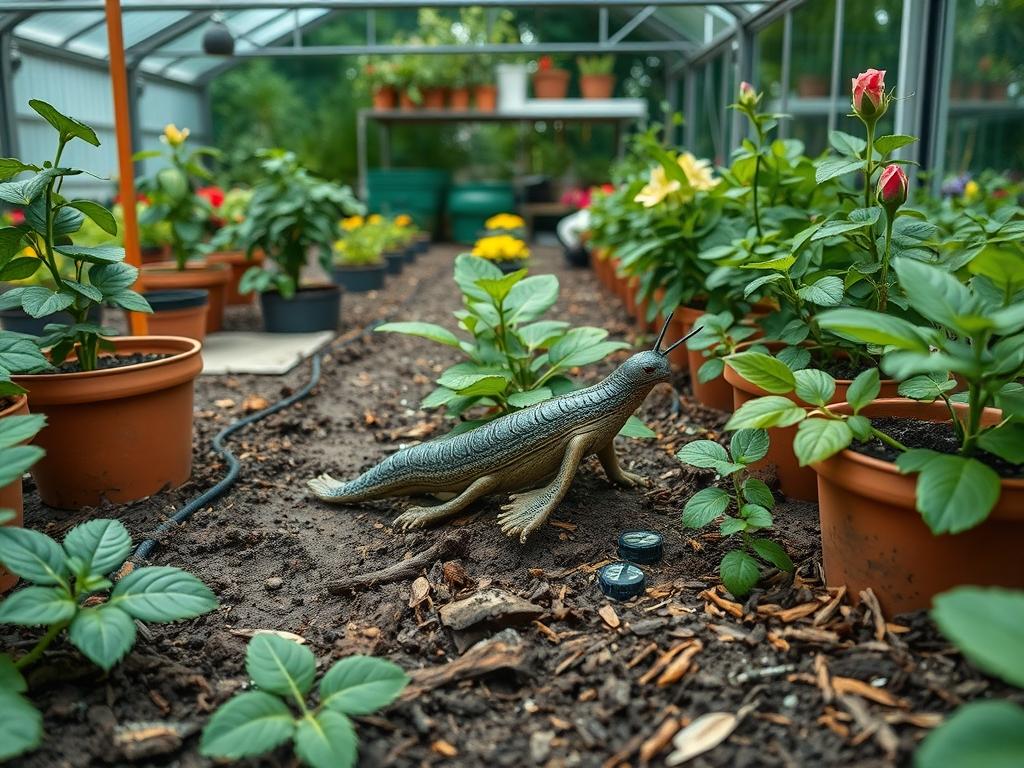
Maintaining a premier outdoor environment requires a delicate balance between structural hardscaping and the health of ornamental flora. Roses often serve as the crown jewel of professional landscape designs, providing high impact color and a sense of timeless elegance that boosts curb appeal significantly. However, even the most meticulously planned garden can falter when pests begin to degrade the foliage. Rose slug identification is a critical skill for any property owner or site manager. These pests are not true slugs but are the larvae of sawflies; they appear as tiny, pale green caterpillars that can quickly skeletonize a prize-winning Rosa floribunda or Rosa rugosa. When the structural integrity of your greenery is compromised by these larvae, the overall functionality of the outdoor living space diminishes. A garden intended for relaxation and entertainment becomes a source of frustration, highlighting the importance of integrated pest management within a broader landscape strategy. By recognizing the specific “windowpane” damage early, where the larvae consume only the soft tissue of the leaf and leave the translucent membrane behind, you can preserve the visual weight and health of your botanical focal points.
Landscape Design Principles
Effective landscape design relies on more than just selecting beautiful plants; it requires an understanding of symmetry, focal points, and elevation layers. Roses are frequently utilized to provide height and texture at the mid-level of a planting bed, bridges between low-lying groundcovers and taller accent trees. To ensure these plants thrive and resist pests like the rose slug, designers must prioritize airflow and light penetration. A symmetrical layout with 3-foot spacing between individual rose shrubs prevents the stagnant, humid conditions that favor pest infestations and fungal growth.
Focal points should be positioned to draw the eye toward architectural features, such as stone retaining walls or custom walkways. When roses are used to frame these features, their health is paramount. A skeletonized rose bush creates a visual “hole” in the design, breaking the balance of the garden. Furthermore, elevation plays a key role. Planting roses on slightly raised mounds or graded slopes improves drainage, preventing the saturated root zones that stress the plant and make it more susceptible to sawfly larvae.
Irrigation planning is another pillar of professional design. While overhead watering is common, drip irrigation systems are preferred for rose-heavy landscapes. Delivering water directly to the soil surface reduces leaf moisture, which can deter certain types of rose slugs and keep the foliage pristine. Well-placed walkways made of flagstone or pavers provide essential access for maintenance, allowing you to inspect the underside of leaves without compacting the surrounding soil or damaging the delicate root systems of your ornamental layers.
Plant and Material Selection
| Plant Type | Sun Exposure | Soil Needs | Water Demand | Growth Speed | Maintenance Level |
| :— | :— | :— | :— | :— | :— |
| Hybrid Tea Rose | Full Sun | Rich, well-drained | High | Moderate | High |
| Lavender (Lavandula) | Full Sun | Sandy, alkaline | Low | Moderate | Low |
| Boxwood (Buxus) | Full/Partial Sun | Loamy, neutral | Moderate | Slow | Medium |
| Nepeta (Catmint) | Full Sun | Average, well-drained | Low | Fast | Low |
| Salvia | Full Sun | Well-drained, lean | Low | Fast | Low |
| Cedar Mulch | N/A | Weed suppression | Moisture retention | N/A | Low |
Implementation Strategy
Executing a professional garden layout begins with thorough site analysis and grading. Before any Rosa species are installed, the land must be graded at a 2 percent slope away from structures to ensure proper drainage. Standard backyard planning involves marking out the “zones” of use, including dining areas, transit paths, and aesthetic borders. Once the grading is complete, the installation of hardscaping materials like timber edging or stone borders creates a clean definition between the lawn and the planting beds.
When planting, dig a hole twice as wide as the root ball and just as deep. Incorporating organic compost into the backfill improves soil structure, providing the nutrients necessary for the plant to defend itself against rose slug infestations. After the plants are in the ground, apply a 3-inch layer of shredded cedar mulch or pine bark. This mulch depth is optimal; it suppresses weeds and regulates soil temperature without smothering the base of the plant. Avoid “mulch volcanoes” where material is piled against the stems, as this creates a gateway for rot and crawling insects.
For the actual treatment of rose slugs, professional implementation focuses on the least toxic methods first. A strong blast of water from a garden hose can dislodge larvae, which are often unable to climb back onto the foliage. If the infestation is severe, a targeted application of neem oil or insecticidal soap should be performed during the early morning hours to avoid leaf scorch. Consistency in monitoring during the spring and early summer is the most effective way to ensure your landscape layout remains vibrant and healthy.
Common Landscaping Failures
The most frequent failure in residential landscapes is poor drainage. When water pools around the root zone, the plant enters a state of stress, making it a primary target for sawflies. If you notice standing water more than 24 hours after a rain event, the site requires mechanical intervention, such as the installation of a French drain or a dry creek bed composed of river rock.
Root overcrowding is another significant issue. In an attempt to achieve an “instant” garden look, many homeowners plant shrubs too close together. As these plants mature, they compete for nutrients and water, while the lack of air circulation creates a breeding ground for pests. Proper spacing, as dictated by the mature spread of the species, is a non-negotiable rule for long-term success.
Soil compaction is often overlooked but equally damaging. High-traffic areas where people or pets walk directly on the soil can crush the pore spaces that hold air and water. Using designated mulch paths or pavers helps protect the sensitive root zones of your ornamental plants. Finally, irrigation inefficiencies, specifically watering late at night, can lead to persistent leaf moisture that encourages both rose slugs and powdery mildew.
Seasonal Maintenance
Seasonal management is the key to preserving the structural integrity of your outdoor living environment. In the spring, the focus should be on rose slug identification and prevention. As temperatures rise, inspect the new growth for small holes. This is the optimal time for a light application of organic fertilizer and the replenishment of mulch layers to a consistent 3-inch depth.
During the summer, task priority shifts to hydration and deadheading. Consistent moisture is vital during heat waves, though the foliage should remain as dry as possible. Check for the second or third generations of rose slugs, depending on the species present in your region. Use pruning shears to remove any heavily damaged or yellowing leaves to improve the overall light penetration.
Autumn is the season for sanitation. Clear away fallen leaves and debris that may harbor pupating sawflies over the winter. This simple act of garden hygiene significantly reduces the pest pressure for the following year. It is also an excellent time to assess the performance of your drainage systems before the winter rains or snows arrive.
In winter, the landscape moves into a dormant phase. This is the time for structural pruning. Cut back your roses to an outward-facing bud to encourage an open, vase-like shape. This architectural pruning is not only aesthetic; it is a proactive measure to ensure the health and vigor of your landscape for the upcoming spring season.
Professional Landscaping FAQ
How do I identify rose slug damage compared to other pests?
Rose slugs leave a distinct scorched appearance known as skeletonization. They eat the green tissue between the leaf veins, leaving a clear or brown windowpane effect behind. Unlike beetles, they rarely eat entirely through the leaf in the early stages.
What is the best natural way to kill rose slugs?
A sharp stream of water from a pressure nozzle is often sufficient to knock them off. For persistent issues, apply neem oil or spinosad to the undersides of leaves, where the larvae typically hide and feed during the day.
Can mulch help prevent rose slug infestations?
While mulch does not directly stop the sawfly from laying eggs, a 3-inch layer of organic mulch promotes overall plant health. Healthy, unstressed roses are much better at recovering from the minor defoliation caused by a small number of larvae.
When is the best time to inspect roses for pests?
Begin inspections in mid-spring when the first flush of leaves appears. Check the undersides of the foliage every 7 days. Catching the first generation of larvae prevents them from maturing and continuing the cycle throughout the summer months.
Should I use gravel or wood mulch around my roses?
Wood mulch, such as shredded cedar, is superior for roses because it breaks down and improves soil quality. Gravel can retain too much heat and does not provide the organic matter necessary for the vigorous growth roses require.