
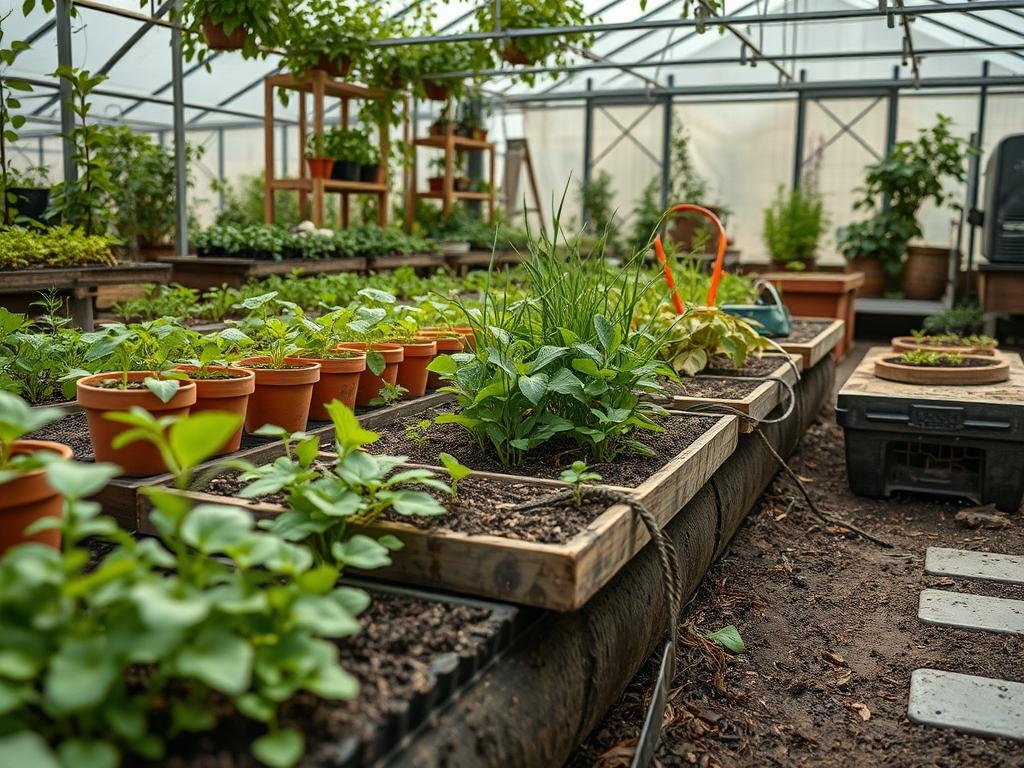
Managing a productive vegetable garden within a luxury landscape requires a sophisticated understanding of soil ecology and structural design. One of the most persistent challenges for homeowners seeking both aesthetic beauty and high-yield harvests is the presence of wireworms. These larvae, the immature stage of the click beetle, dwell beneath the surface for several years, feeding on the root systems of ornamental grasses and vegetable crops. From a professional landscape architecture perspective, controlling these pests is not merely about reactive treatments; it involves a holistic approach to soil grading, drainage, and material selection. A garden that suffers from poor drainage or excessive soil compaction creates a breeding ground for these pests, which can lead to patchy vegetable beds and a significant decline in curb appeal. By integrating specific management techniques into the initial site analysis and design phase, we can create an outdoor environment that is both visually striking and ecologically resilient.
Efficient wireworm control methods begin with the physical manipulation of the site. In high-end residential projects, we often prioritize raised beds and tiered elevation to separate the vegetable zones from the surrounding turf where click beetles frequently lay their eggs. Because wireworms thrive in cool, moist conditions, the implementation of advanced irrigation systems and proper soil aeration is critical. Landscapes that feature heavy clay or poor runoff will see higher infestation rates, as these environments protect the larvae from desiccation. By viewing the vegetable garden as a functional component of the broader outdoor living space, we can apply rigorous engineering standards to the soil profile, ensuring that the health of the plant life matches the quality of the hardscaping elements.
Landscape Design Principles
When designing a garden with pest resilience in mind, symmetry and focal points serve more than just an aesthetic purpose. A symmetrical layout allows for easier crop rotation, which is a fundamental pillar of wireworm management. By shifting the location of high-risk crops like Potatoes and Carrots every season, we disrupt the life cycle of the larvae. Focal points, such as high-quality Stone Planters or architectural trellises, can be used to delineate these zones, making the management process part of the visual narrative of the yard.
Elevation layers play a vital role in preventing the migration of pests from lawns into vegetable plots. Utilizing Retaining Walls to create a distinct height difference between sodded areas and edible gardens creates a physical barrier that click beetles are less likely to breach for egg-laying. Furthermore, walkways constructed from Permeable Pavers or Crushed Granite provide excellent drainage around the beds. This prevents the edges of the growing zone from becoming overly saturated, which is a condition that attracts wireworms. Visual balance is maintained by mirroring these structural elements across the site, ensuring that the functional necessity of pest control does not compromise the refined look of the landscape.
Irrigation planning must be precise. Over-watering is a common failure in residential landscapes that leads to an explosion in soil-borne pest populations. Using a Drip Irrigation System with localized emitters ensures that water is delivered only to the root zones of the desired plants, leaving the surrounding soil drier and less hospitable to larvae. This targeted approach also preserves the integrity of nearby hardscaping by preventing unnecessary moisture runoff that can lead to shifting or staining of stone surfaces.
Plant and Material Selection
The following table outlines high-performance selections for a resilient and aesthetic vegetable landscape, focusing on species that are either resistant to wireworms or used as part of an integrated control strategy.
| Plant Type | Sun Exposure | Soil Needs | Water Demand | Growth Speed | Maintenance Level |
| :— | :— | :— | :— | :— | :— |
| Caliente Mustard | Full Sun | Well-Drained | Moderate | Fast | Low |
| French Marigolds | Full Sun | Loamy | Low | Moderate | Low |
| Red Potatoes | Full Sun | Sandy/Loose | Moderate | Moderate | High |
| Lacinato Kale | Partial Shade | Rich Bio-matter | Moderate | Fast | Medium |
| White Clover | Full Sun | Adaptable | Low | Fast | Medium |
| Standard Carrots | Full Sun | Deep Sandy | Moderate | Slow | High |
Implementation Strategy
The successful execution of a wireworm-resistant landscape starts with grading and site preparation. Before any planting occurs, the soil should be graded at a 2 percent slope away from the center of the garden to ensure consistent drainage. Excess moisture is the primary ally of the wireworm, so installing a French Drain at the base of any slope is a prudent architectural decision. Once the site is leveled, the soil should be tilled to a depth of 8 inches at least twice before the initial planting. This mechanical disturbance exposes the larvae to the surface, where they are consumed by birds or die from exposure to the sun.
For the garden layout, we recommend using a Steel Edging or Pressure-Treated Timber to define the borders of the vegetable beds. This creates a clean line between the mulch and the turf, preventing grass from creeping into the growing area. Within the beds, a 3-inch layer of organic mulch, such as Cedar Chips or Pine Bark, should be applied. While mulch helps retain necessary moisture for plants, it also acts as a barrier for the adult click beetles. In areas where wireworm pressure is known to be high, incorporating a biosolarization phase using Clear Plastic Sheeting for six weeks during the peak of summer can effectively heat the soil to temperatures that are lethal to the larvae.
Hardscaping should be integrated as more than just a decorative element. Strategic placement of Benches or Outdoor Kitchens can serve as windbreaks or sun-traps, influencing the microclimate of the garden. By controlling the temperature and moisture levels through these structural choices, the landscape architect can create an environment that favors plant vigor over pest survival.
Common Landscaping Failures
The most frequent mistake in garden planning is the failure to address soil compaction. When soil is compacted by heavy machinery or frequent foot traffic, it loses its ability to drain effectively. This creates anaerobic conditions and pockets of moisture where wireworms flourish. Using Pathway Stepping Stones is an essential design choice to prevent compaction within the growing zones. Another common failure is improper plant spacing. Overcrowded gardens create a dense canopy that traps humidity at the soil level, providing a perfect nursery for pests.
Irrigation inefficiencies also contribute significantly to pest problems. Sprinkler heads that are poorly aimed can saturate the soil in non-target areas, such as under shrubs or adjacent to walkways, creating moist corridors for wireworm movement. Furthermore, the use of excessive nitrogen fertilizers can lead to succulent root growth that is highly attractive to larvae. A professional approach favors slow-release organic amendments that build soil structure without causing the rapid, weak growth flares that pests exploit. Finally, failing to remove crop debris at the end of the season allows wireworms to overwinter more successfully, leading to a larger population the following spring.
Seasonal Maintenance
Spring management is the most critical phase for wireworm control. As the soil warms to approximately 50 degrees Fahrenheit, the larvae move toward the surface. This is the ideal time for deep cultivation using a Spading Fork or mechanical Rototiller. By turning the soil, the architectural integrity of the larvae’s tunnels is destroyed. During this time, we also check the functionality of the Backflow Preventer and clean the Drip Emitters to ensure the irrigation system is ready for the precision demands of the growing season.
Mid-summer maintenance involves monitoring moisture levels and replenishing mulch. If wireworms are detected in high-value crops, the use of Beneficial Nematodes (specifically Heterorhabditis bacteriophora) can be applied through the irrigation system. These microscopic organisms act as a biological control agent, hunting the larvae in the soil. In autumn, the focus shifts to sanitation. All vegetable residues should be removed and composted far from the main garden site. Sowing a cover crop of Mustard is a professional-grade strategy; when tilled into the soil in late fall, the mustard releases glucosinolates, which act as a natural biofumigant against wireworms. Winter provides a period of dormancy where the landscape architect can assess the structural performance of the site, ensuring that Retaining Walls and Drainage Channels are clear of debris and ready for the spring thaw.
Professional Landscaping FAQ
What is the fastest way to identify a wireworm infestation?
Look for stunted growth or sudden wilting in young seedlings. Use a Trowel to dig 4 inches deep around the root ball. If you see orange, hard-bodied larvae, you have an infestation that requires immediate cultural intervention.
How does drainage impact wireworm populations?
Poor drainage creates the saturated, anaerobic soil conditions that wireworms prefer. By installing Perforated Drain Pipes and using sandy loam soil mixes, you reduce the moisture levels that allow these larvae to survive and move between plants.
Can I use ornamental plants to control wireworms?
Yes, planting French Marigolds or Caliente Mustard can help. These plants release natural chemicals into the soil that either repel the larvae or act as a mild fumigant, protecting nearby high-value vegetables like Carrots and Potatoes.
Does tilling the soil actually help?
Mechanical cultivation is a highly effective control method. Tilling to an 8-inch depth during the spring and fall disrupts the larvae’s habitat and brings them to the surface, where they succumb to environmental stressors and natural predators.
Why are raised beds better for wireworm management?
Raised beds allow for total control over soil quality and drainage. By filling them with clean, imported Topsoil, you bypass existing infestations in the ground. They also provide a structural barrier that limits the migration of click beetles.