
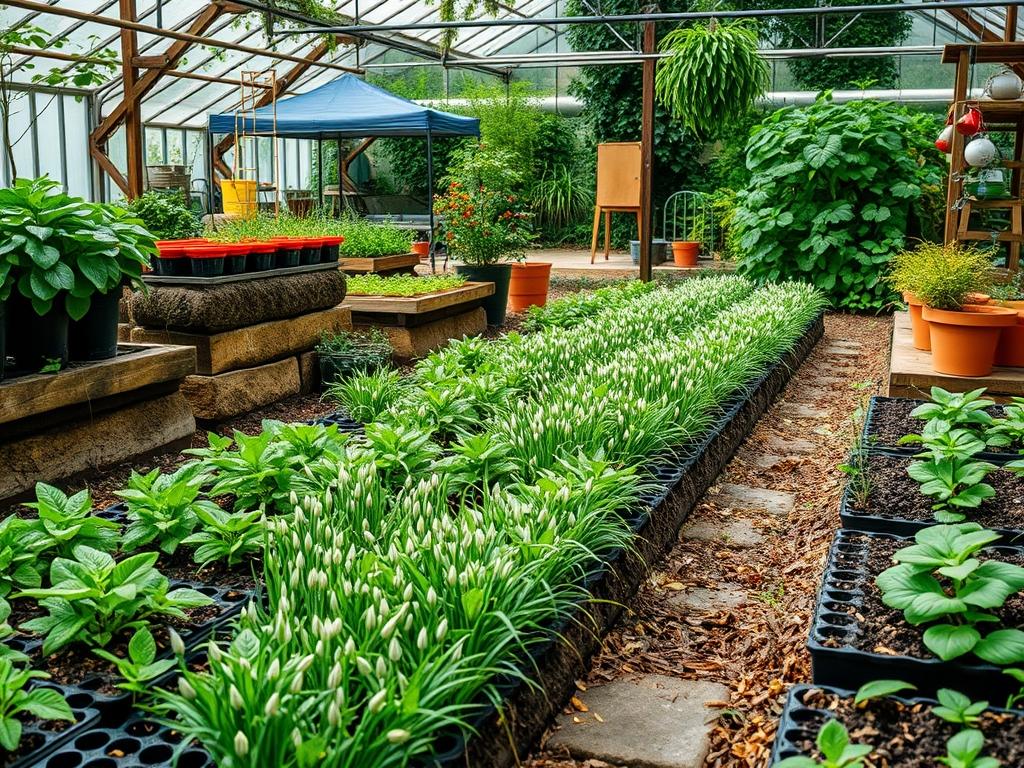
The architectural integrity of a professional landscape depends heavily on the health of the turfgrass that binds various design elements together. While stone paths, retaining walls, and specimen trees provide structure, the lawn serves as the living carpet that unifies the aesthetic. When subterranean pests like larvae begin to consume the root systems, the visual and functional quality of the outdoor space deteriorates rapidly. Developing a comprehensive strategy for white grub lawn treatment and prevention is not merely a task for a gardener; it is a fundamental requirement for a landscape architect who must ensure the longevity of a multi-thousand dollar installation. These larvae, derived from various beetles such as the Japanese Beetle or the June Bug, can turn a vibrant, emerald-green lawn into a series of brown, necrotic patches within a single season. Effective management requires an understanding of soil biology, moisture control, and the timing of biological or chemical interventions to maintain the pristine curb appeal that high-end residential and commercial properties demand.
Landscape Design Principles
A successful landscape design balances high-concept aesthetics with the practical realities of site maintenance. When planning for a lawn that can resist or recover from pest infestations, symmetry and focal points must be supported by a robust turf foundation. Symmetry often relies on mirroring lawn shapes across a central axis. If one side of the lawn is devastated by grubs, the entire visual balance of the property is destroyed. Therefore, designers must consider the durability of the turf species selected during the initial drafting phase. Focal points, such as a Custom Fountain or a Granite Sculpture, lose their impact if they are surrounded by dead or thinning grass.
Elevation layers play a vital role in how pests interact with the lawn. High-traffic areas or banked slopes often experience different moisture levels. Grubs prefer moist, well-aerated soil for egg-laying and development. By incorporating deliberate elevation changes and proper grading, a landscape architect can influence where moisture collects, potentially steering grubs away from primary visual zones. Furthermore, irrigation planning must be precise. Subsurface irrigation systems or smart controllers can prevent the over-watering that attracts adult beetles, while ensuring that the deep roots of the grass survive minor subsurface feeding. Walkways made of Flagstone or Pavers also serve as physical barriers that can help segment a lawn, making it easier to isolate and treat localized infestations before they spread across the entire estate.
Plant and Material Selection
| Plant Type | Sun Exposure | Soil Needs | Water Demand | Growth Speed | Maintenance Level |
| :— | :— | :— | :— | :— | :— |
| Kentucky Bluegrass | Full Sun | Rich, well-draining | High | Fast | High |
| Tall Fescue | Sun to Part Shade | Deep, loamy | Moderate | Moderate | Low |
| Fine Fescue | Shade | Sandy, dry | Low | Slow | Low |
| Perennial Ryegrass | Full Sun | Fertile, moist | High | Very Fast | Moderate |
| White Clover | Full Sun to Shade | Poor to average | Low | Fast | Very Low |
The selection of turf species is the first line of defense in white grub lawn treatment. Tall Fescue is often preferred in modern sustainable designs because its deep root system, which can reach depths of twelve inches, allows it to withstand significant root pruning from larvae better than shallow-rooted species. Additionally, incorporating Endophyte-enhanced grass provides a natural deterrent to many surface-feeding insects, though its effect on subterranean grubs is secondary to the overall health and density of the stand.
Implementation Strategy
Implementing a resilient landscape begins with the soil. Before a single seed is sown or a roll of sod is laid, the site must be graded to ensure a two percent slope away from structures. This prevents the stagnant water conditions that attract beetles. During the soil preparation phase, the use of a Rototiller to incorporate organic matter or Peat Moss improves the soil structure. A landscape architect will often specify a soil test to determine the pH levels, as slightly acidic soil can sometimes discourage certain beetle species from laying eggs.
Once the grading is complete, the installation of Steel Edging or Concrete Curbing is essential to define the boundaries between the turf and the ornamental beds. These borders do more than just provide a clean line; they create a psychological and physical transition point for maintenance crews to monitor for pest activity. If a grub infestation is suspected during the construction phase, a preventative application of Chlorantraniliprole can be integrated into the final watering-in of the sod. This systemic treatment provides long-term protection with minimal impact on beneficial pollinators. For mulch application, a depth of three inches of Hardwood Bark Mulch in the surrounding beds helps retain moisture for the ornamental plants without creating the soggy turf edges that grubs find irresistible.
Common Landscaping Failures
The most frequent failure in high-end landscaping is improper drainage. When water pools on a lawn due to poor grading or soil compaction, it creates a sanctuary for pests. Compacted soil, often a result of heavy machinery used during construction, prevents roots from penetrating deep into the earth. When a grub consumes the top layer of these shallow roots, the grass dies almost instantly because it has no secondary root system to rely on. To remedy this, a professional should use a Core Aerator twice a year to open up the soil profile and allow oxygen and water to reach the root zone.
Another common mistake is the over-application of nitrogen-rich fertilizers in the mid-summer. While developers want the lawn to look lush and dark green, excessive nitrogen produces succulent top growth at the expense of root strength. It also makes the turf more attractive to adult beetles. Improper spacing of trees and shrubs can also lead to failure. If a lawn is too shaded and has poor airflow, it becomes weak and susceptible to both fungus and larvae. Finally, irrigation inefficiency, such as watering every day for short durations, keeps the soil surface perpetually damp. This habit encourages grubs to remain near the surface where they do the most damage to the crown of the plant.
Seasonal Maintenance
Seasonal management is the hallmark of a professional maintenance contract. In the spring, the focus is on recovery and assessment. Once the soil temperature reaches fifty degrees Fahrenheit, the grubs that overwintered deep in the soil move toward the surface. This is the time to observe for early spring damage and use a Dethatching Rake to remove dead material that can harbor eggs. If the lawn feels spongy, it is a sign that the root connection has been severed.
Summer is the critical period for prevention. Adult beetles emerge to mate and lay eggs in the turf. Applying a preventative white grub lawn treatment during this window is highly effective. Monitoring moisture levels is crucial; keeping the lawn slightly drier during the peak of egg-laying can reduce the survival rate of the newly hatched larvae. In the autumn, if preventative measures were not taken or failed, curative treatments like Trichlorfon may be necessary. This is a fast-acting chemical that targets larvae when they are at their largest and most destructive. Autumn is also the ideal time for overseeding with Hardy Turf Varieties to fill in any thin spots before winter. During the winter months, the landscape remains dormant, but the architect should plan for the upcoming spring by reviewing the previous year’s pest data and adjusting the fertilization and irrigation schedules accordingly.
Professional Landscaping FAQ
What are the first signs of a grub infestation?
You will notice irregular brown patches that do not green up with watering. The turf will feel spongy underfoot. In advanced cases, you can peel the grass back like a carpet because the roots have been completely consumed.
How do I test my lawn for grubs at home?
Use a Spade to cut a one-foot square section of sod about three inches deep. Pull the sod back and count the larvae. If you see more than six to ten grubs in that single square, treatment is professionally recommended.
Can I use organic methods for white grub lawn treatment?
Yes, Beneficial Nematodes or Milky Spore are effective biological controls. These organisms hunt and kill larvae in the soil. However, they require specific soil temperatures and moisture levels to be successful compared to traditional synthetic options.
Will birds and skunks help control my grub problem?
While they do eat the larvae, their presence is often a sign of a massive infestation. Animals like skunks and raccoons will tear up large sections of your lawn to reach the grubs, causing more aesthetic damage than the insects themselves.
Does frequent mowing prevent beetle egg-laying?
Mowing height affects lawn health significantly. Keeping your grass at a height of three to four inches shades the soil and creates a more difficult environment for beetles to reach the soil surface to deposit their eggs.