
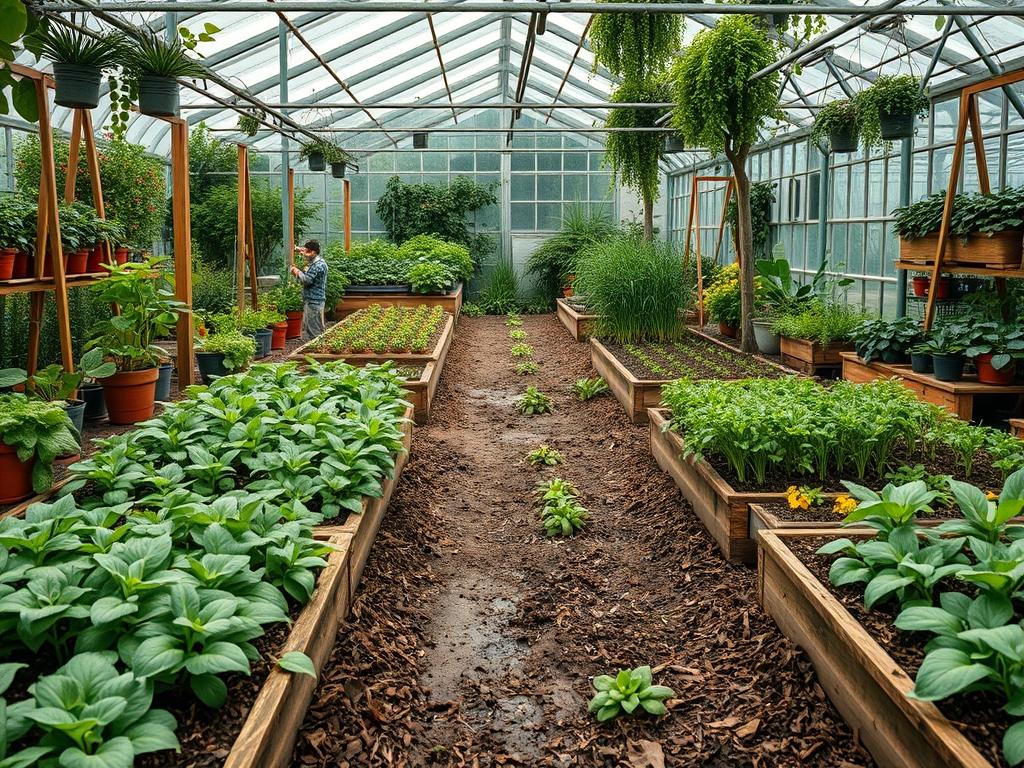
Maintaining a high-end residential landscape requires a sophisticated understanding of soil biology and spatial organization. While many designers focus exclusively on the visual impact of a garden, the long term health of the site depends on scientific Crop Rotation Strategies to mitigate soil-borne pathogens and nutrient depletion. In professional landscape architecture, the challenge lies in integrating these functional requirements into an aesthetically pleasing environment that enhances curb appeal and outdoor functionality. A well-executed rotation plan prevents the buildup of specialized pests and diseases that thrive when the same plant families occupy the same soil year after year. By treating the garden as a living system rather than a static display, we ensure that the architectural vision remains vibrant across multiple seasons. This approach is particularly critical in luxury edible landscapes and potager gardens where the expectation for visual perfection meets the practical needs of intensive cultivation.
Climate considerations play a pivotal role in how these strategies are deployed. In temperate zones, the transition between growing cycles must be timed precisely to avoid exposing the soil to erosion during heavy rainfall. High performance drainage systems and calculated grade adjustments are necessary to prevent water from pooling in low-lying planting pockets. When we design for functionality, we must consider how the movement of plants through different zones will affect the overall microclimate of the property. For example, tall trellised legumes can provide temporary shade for more delicate leafy greens, creating a dynamic environment that changes throughout the year. This level of planning ensures the landscape serves as both a private sanctuary and a productive ecosystem, balancing the structural rigidity of hardscaping with the fluid requirements of biological health.
Landscape Design Principles
Successful landscape design relies on the deliberate application of symmetry and visual balance. When implementing Crop Rotation Strategies within a formal layout, we often utilize geometric parterres or structured raised beds to define the rotation zones. These permanent structures, often built from natural stone or rot-resistant cedar, act as focal points that guide the eye while organizing the subterranean environment. By establishing a clear framework, the designer can shift plant groupings without disrupting the garden’s overarching aesthetic. Focal points such as bronze statues, tier-style fountains, or large architectural planters can be strategically placed at the junctions of different rotation quadrants to provide a sense of permanence amidst the shifting vegetation.
Elevation layers are another essential component of a professional landscape. By using retaining walls and terraces, we can create distinct micro-climates that support various crop families. Higher elevations typically offer better drainage and more sun exposure, making them ideal for Mediterranean herbs or sun-loving fruiting crops. Lower sections can be engineered with moisture-retentive loam for crops that require consistent hydration. Irrigation planning must be integrated into these elevation changes, utilizing sub-surface drip lines and smart controllers to deliver water directly to the root zones. This precision prevents the splashing of soil onto foliage, which is a primary vector for fungal diseases. Furthermore, wide flagstone walkways or crushed granite paths should be used to delineate zones, providing easy access for maintenance while preventing soil compaction from foot traffic.
Plant and Material Selection
The selection of plant species and structural materials dictates the longevity of the landscape. Each plant family has specific nutritional demands and susceptibility to various pathogens; therefore, the material choices for the soil and hardscaping must complement these biological needs.
| Plant Type | Sun Exposure | Soil Needs | Water Demand | Growth Speed | Maintenance Level |
| :— | :— | :— | :— | :— | :— |
| Solanaceae (Tomato/Pepper) | Full Sun | High Organic Matter | Consistent | Fast | High |
| Leguminosae (Beans/Peas) | Full Sun/Partial | Well-Drained | Moderate | Medium | Low |
| Brassicaceae (Kale/Broccoli) | Partial Shade | Alkaline/High Lime | High | Medium | Moderate |
| Cucurbitaceae (Squash/Melon) | Full Sun | Rich Compost | High | Aggressive | Moderate |
| Lamiaceae (Mint/Rosemary) | Full Sun | Gritty/Sandy | Low | High | Low |
For the structural components, we utilize geotextile fabric beneath gravel paths to ensure long-term stability and weed suppression. The use of organic mulch, such as shredded hardwood or pine needles, applied at a depth of 3 inches, helps maintain soil temperature and moisture. In areas where heavy feeders like tomatoes are grown, the soil should be amended with vermicompost or leaf mold to restore the nitrogen and phosphorus levels extracted during the previous season.
Implementation Strategy
The transition from a design concept to a functioning landscape requires a methodical implementation strategy. We begin with site grading to ensure that the primary drainage swales direct water away from the residence and toward designated runoff areas. This prevents the saturation that leads to root rot and other fungal issues. Once the grade is established, we install the hardscaping elements, including retaining walls and permanent edging. Using 4-inch PVC piping for the primary drainage lines ensures that even during heavy storms, the soil structure remains intact and free of stagnant water.
The garden layout is then divided into at least four distinct sectors to facilitate a four-year Crop Rotation Strategy. Each sector is treated as an independent biological unit. In the first year, heavy consumers of nitrogen are planted in Sector A. By the second year, these are moved to Sector B, while Sector A is replenished by legumes that fix nitrogen back into the soil using symbiotic bacteria. To ensure maximum curb appeal, we intersperse these functional crops with perennial borders and ornamental grasses like Miscanthus or Pennisetum. This technique, known as companion planting, not only beautifies the space but also attracts beneficial insects that provide natural pest control.
Common Landscaping Failures
One of the most frequent failures in professional landscaping is improper drainage design. When water sits against the foundation or within the root zone of sensitive plants, it creates an anaerobic environment that kills beneficial soil microbes and promotes pathogens. Another common issue is root overcrowding, often caused by planting for immediate impact rather than future growth. Designers often place shrubs or trees too close to one another to create a full look on day one, but within 36 months, the competition for nutrients and sunlight leads to decline.
Soil compaction is a silent killer in many landscapes. During construction, heavy machinery can crush the pore spaces in the soil, preventing water infiltration and air exchange. To remedy this, we use mechanical aeration or deep-tilling with organic amendments before any planting occurs. Furthermore, irrigation inefficiencies, such as over-watering through overhead sprays, can lead to powdery mildew and leaf spot. Transitioning to pressure-compensating drip emitters reduces waste and keeps the foliage dry, which is a cornerstone of effective disease control.
Seasonal Maintenance
Seasonal management is the key to preserving the structural integrity and aesthetic value of the garden. In the spring, the focus is on soil preparation and the installation of cool-season crops. This is the time to check the irrigation system for leaks and to clean all stone surfaces of winter debris. Applying a fresh layer of mulch in early spring helps suppress weeds before they emerge and preserves the moisture levels as temperatures rise.
Summer maintenance involves deadheading flowers, monitoring for pests, and ensuring the dripline timers are adjusted for peak heat. It is vital to prune climbing roses and other woody perennials to allow air circulation through the canopy. As autumn approaches, we transition the landscape by removing spent crops and planting cover crops like clover or winter rye in the fallow rotation zones. These cover crops protect the soil from winter erosion and add organic matter when tilled back in during the following spring. Winter is the season for hardscape inspection and structural pruning of deciduous trees while they are dormant, ensuring they maintain their architectural form without the weight of southern snow or ice.
Professional Landscaping FAQ
Why is crop rotation necessary in a decorative landscape?
It breaks the life cycles of soil-borne pests and diseases while preventing specific nutrient depletion. This ensures that the soil remains productive and the plants stay vibrant without heavy reliance on chemical fertilizers or pesticides.
How deep should my garden beds be for vegetables?
A minimum depth of 12 inches is recommended for most crops, though 18 to 24 inches is ideal for root vegetables and larger shrubs. This providing ample space for root development and efficient drainage.
What is the best way to prevent soil compaction?
Permanent flagstone or paver walkways should be installed to direct traffic. Never walk on wet garden soil, and use organic mulch to cushion the surface and maintain the internal structure of the ground.
Can I mix ornamentals with my rotated crops?
Yes, integrating marigolds, lavender, or alliums among rotated crops provides aesthetic continuity. These plants often act as natural deterrents for pests, enhancing the overall health of the functional landscape zones.
How does drainage affect disease control?
Poor drainage creates stagnant, anaerobic conditions where fungal pathogens thrive. Utilizing French drains and sloped grading ensures that excess moisture moves away from plant headers, keeping root systems oxygenated and resilient against infection.