
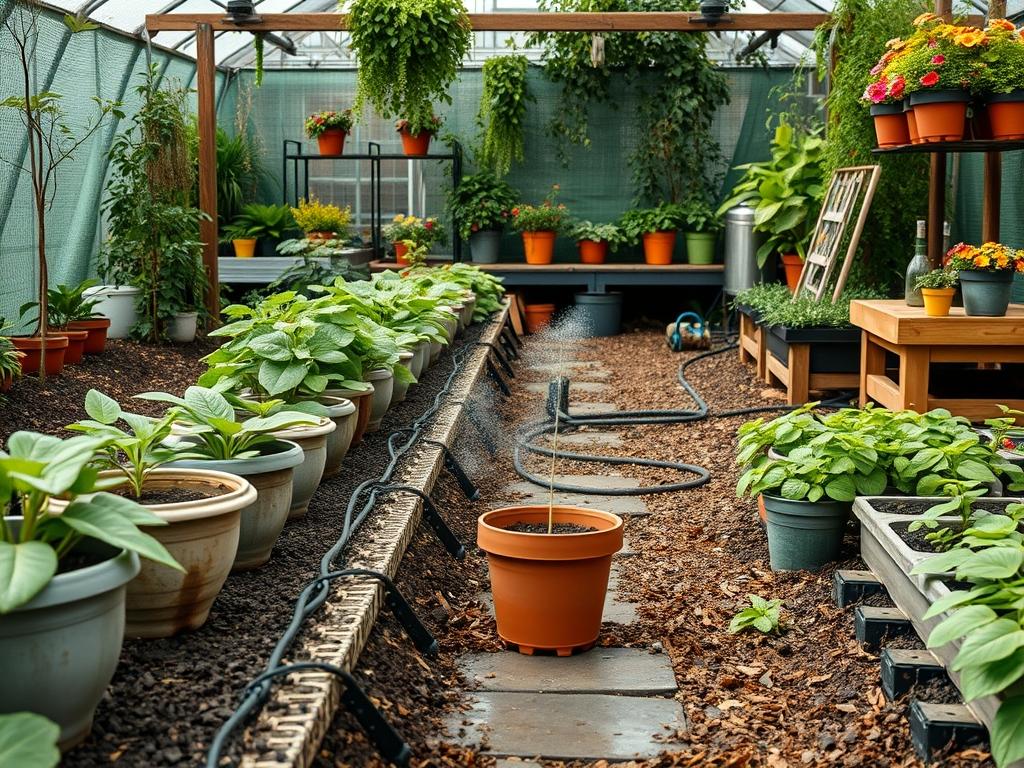
The integration of a professional grade greenhouse into a residential or estate landscape requires more than just a functional structure; it demands a synergy between internal climate control and external environmental management. As a landscape architect, I look at a greenhouse as a focal point that must bridge the gap between high end curb appeal and rigorous horticultural functionality. One of the most significant challenges in maintaining this balance is the management of pests that bridge the gap between the wild backyard and the controlled greenhouse interior. Specifically, plant hoppers and leafhoppers present a unique threat to architectural plantings. These insects are not merely a nuisance; they are vectors for various plant diseases that can devastate expensive, specimen level vegetation. Integrating effective Plant Hopper Deterrents into the initial design phase ensures that the aesthetic investment remains protected throughout the seasons.
A successful landscape plan considers the greenhouse as part of a larger ecosystem. The site selection must account for airflow, solar orientation, and the proximity of host plants that might harbor pests. When we plan the outdoor environment, we must consider how the transition zones between the manicured lawn and the glass structure function. If the perimeter of the greenhouse is cluttered with high grass or unmanaged weeds, it creates a staging ground for insects. By utilizing strategic grading and high quality hardscaping, we can create a biological buffer that naturally discourages pest migration while enhancing the visual weight of the structure within the broader landscape.
Landscape Design Principles
Symmetry and visual balance are the hallmarks of a well executed estate plan. When positioning a greenhouse, it should serve as a destination at the end of a primary or secondary axis, possibly framed by a pair of Upright Boxwoods or formal stone pillars. This symmetry provides a sense of order that makes the landscape feel intentional and permanent. Focal points within the garden, such as a large Tiered Fountain or a specimen Japanese Maple, should be situated to draw the eye without obstructing the light requirements of the greenhouse. It is a delicate dance between creating shade for outdoor living areas and ensuring the glass house receives the 6 to 8 hours of direct sunlight it requires.
Elevation layers play a vital role in both aesthetics and pest management. By raising the greenhouse foundation slightly on a masonry plinth, we can incorporate elegant stone steps and retaining walls. This elevation not only adds a sense of grandeur but also facilitates superior drainage. Proper drainage is one of the most effective Plant Hopper Deterrents, as many pest species thrive in the high humidity and damp soil associated with stagnant water. Irrigation planning should involve a subterranean Drip Irrigation System rather than overhead sprinklers. This keeps the foliage dry and reduces the ambient humidity around the glass, which acts as a deterrent for many flying insects. Furthermore, the use of wide, clean walkways made of Flagstone or Decomposed Granite provides a physical barrier that prevents pests from crawling directly from the turf into the greenhouse vents.
Plant and Material Selection
The following table outlines plants that are commonly used in modern landscape designs, particularly those that complement a greenhouse environment while being managed for pest sensitivity.
| Plant Type | Sun Exposure | Soil Needs | Water Demand | Growth Speed | Maintenance Level |
| :— | :— | :— | :— | :— | :— |
| French Lavender | Full Sun | Well-Drained | Low | Moderate | Medium |
| Rosemary | Full Sun | Sandy/Loamy | Low | Moderate | Low |
| Catmint | Full/Partial | Average/Well-Drained | Medium | Fast | Low |
| Creeping Thyme | Full Sun | Gritty/Dry | Low | Moderate | Low |
| Lemon Balm | Partial Sun | Moist/Rich | Medium | Fast | High |
| Common Marigold | Full Sun | Loamy/Rich | Medium | Fast | Low |
Implementation Strategy
The actual construction of the garden layout begins with precise grading. The land must be sloped away from the greenhouse foundation at a minimum of a 2 percent grade to ensure that heavy rains do not lead to soil saturation. Once the grade is established, we implement a multi layered edging strategy. For a professional finish, Steel Edging or Corten Steel provides a crisp line between the lawn and the planting beds. This prevents grass from creeping toward the greenhouse, which is critical because tall grasses are primary hosts for plant hoppers.
Within the planting beds, a consistent 3 inch depth of Hardwood Mulch or Pine Bark Nuggets should be applied. Mulching serves several purposes; it retains necessary moisture for the plants, suppresses weed growth, and acts as a reflective barrier that can confuse the visual sensors of certain pests. To specifically address Plant Hopper Deterrents, we can incorporate Reflective Metallic Mulch or chips near the entry points of the greenhouse. These materials reflect UV light, which disorients the insects and prevents them from landing.
Hardscaping should be the backbone of the area. A 4 foot wide perimeter of River Rock or gravel directly surrounding the greenhouse base acts as a “sterile zone.” This zone should be treated with Diatomaceous Earth periodically to provide a mechanical barrier against crawling insects. In terms of drainage, the installation of ADS Perforated Pipe wrapped in filter fabric, also known as a French drain, is essential for directing runoff toward a lower point in the yard or a designated rain garden.
Common Landscaping Failures
One of the most frequent errors I see in backyard planning is root overcrowding. When large shrubs are planted too close to the greenhouse walls, they eventually grow to block light and restrict airflow. This lack of circulation creates a microclimate that is ripe for pest infestations. Improper spacing at the time of planting often occurs because the gardener fails to account for the mature width of the species. Always refer to the nursery tag and add a 20 percent buffer when planting near structures.
Another failure is soil compaction. During the construction of the greenhouse, heavy machinery often packs the soil down, destroying the pore space necessary for root respiration. Compacted soil leads to poor drainage and stressed plants, which are far more susceptible to damage from plant hoppers. Furthermore, irrigation inefficiencies, such as misaligned sprinkler heads that spray directly onto the greenhouse glass, can lead to mineral deposits and increased humidity. This moisture acts as an attractant for pests. Finally, ignoring the “light pollution” from the greenhouse at night can be a mistake. Bright interior lights left on after dark can attract swarms of insects to the structure. Using Blackout Curtains or automated timers is a sophisticated way to minimize this draw.
Seasonal Maintenance
Spring is the time for proactive defense. This is when we apply a fresh layer of mulch and inspect the greenhouse screens for any tears. Pruning any overhanging branches is essential to keep the “pest bridge” clear. Applying an organic barrier, such as Neem Oil, to the exterior foliage of surrounding ornamental plants can serve as an early season Plant Hopper Deterrent.
Summer maintenance focuses on irrigation monitoring. As temperatures rise, the temptation to over-water increase; however, keeping the top inch of soil relatively dry can prevent the emergence of new pest cycles. Regular deadheading of flowers keeps the garden looking sharp and removes potential nesting sites for insects.
Autumn requires a thorough cleanup of fallen leaves and debris. Decaying organic matter near the greenhouse provides the perfect overwintering habitat for plant hoppers and their eggs. A clean “fall knockdown” of all annual beds is recommended. In winter, we focus on the structural integrity of the landscape. It is the best time to inspect Retaining Walls for shift and to ensure that the drainage outlets remain clear of ice and snow. Applying a Dormant Oil Spray to nearby deciduous trees can help kill off any eggs that have been laid in the bark.
Professional Landscaping FAQ
How do I identify plant hopper damage on my greenhouse plants?
Look for small, wedge shaped insects that jump when disturbed. Damage usually appears as stippling on the leaves, yellowing, or a visible “burn” on the edges of the foliage. You may also notice a sticky residue known as honeydew.
What are the best natural Plant Hopper Deterrents for high end gardens?
Planting aromatic herbs like Lavender, Rosemary, and Sage around the perimeter can naturally repel these pests. Additionally, using reflective mulches and maintaining a wide, gravel based sterile zone around the greenhouse structure is highly effective for long term control.
Is it necessary to use chemical pesticides to control these insects?
Not necessarily. Integrated Pest Management emphasizes physical barriers and biological controls first. Insecticidal Soaps, Neem Oil, and encouraging natural predators like lacewings or ladybugs can manage populations without the need for harsh synthetic chemicals in your yard.
How does drainage affect the population of plant hoppers?
Plant hoppers are attracted to high humidity and lush, succulent growth caused by over saturated soil. By ensuring proper grading and using French drains, you reduce the ambient moisture levels, making the environment much less hospitable for pest reproduction.
Can lighting choices impact pest attraction toward my greenhouse?
Yes, standard incandescent or high UV lights attract many insects at night. To mitigate this, use Yellow LED Bug Lights for exterior walkways and ensure the greenhouse has tight fitting screens and internal shades to prevent light spill.