
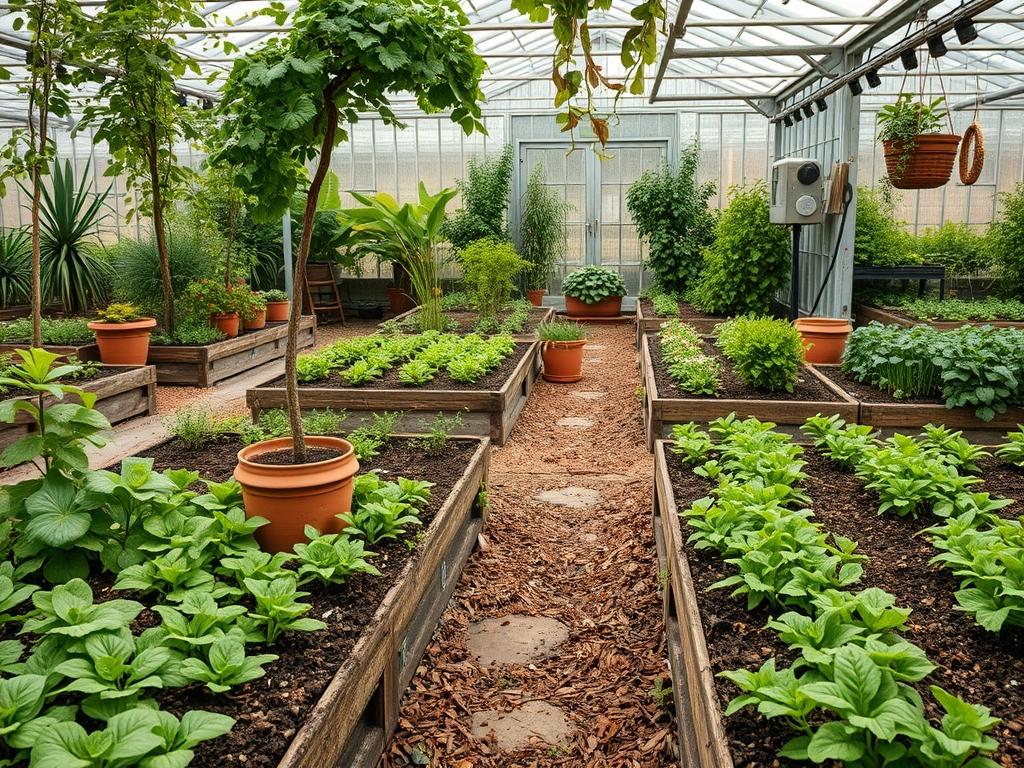
Managing the lifecycle of a landscape requires more than a keen eye for color theory or spatial arrangement; it necessitates a deep understanding of the biological pressures that can compromise the future of your garden. For the professional landscape architect, creating a space for seed saving is an exercise in both aesthetics and environmental control. Seed Weevil Management becomes a primary concern when the goal is to harvest viable genetics for the following season. These small beetles, often from the Curculionidae family, infiltrate seed pods and consume the germ before the seed can be harvested. If a landscape is designed without considering how these pests overwinter and propagate, the entire functional goal of a sustainable, self-seeding garden can vanish in a single season. High-performance landscapes must balance curb appeal with the structural requirements of pest mitigation. This involves managing soil health, ensuring proper drainage to prevent opportunistic larvae from thriving, and selecting materials that do not provide easy overwintering sites for invasive insects.
The architectural challenge of a seed-saving landscape involves more than just plant health. It is about the outdoor functionality of the space. When homeowners select plants for their sculptural qualities, such as the tall spikes of Hollyhocks or the intricate pods of Baptisia, they are unknowingly setting the stage for specific infestation cycles. A well-planned site considers the climate and microclimates created by the home’s orientation. If a garden bed is placed in a stagnant, high-humidity corner with poor airflow, pest pressures increase exponentially. Effective landscape design utilizes the relationship between hardscaping and softscaping to create barriers and zones of control. By integrating gravel paths, steel edging, and raised masonry planters, we can isolate host plants and make it more difficult for weevils to move through the soil profile from one season to the next.
Landscape Design Principles
A professional landscape relies on the application of symmetry and focal points to guide the eye, yet these same principles can serve a functional purpose in Seed Weevil Management. When designing a seed-focused garden, we employ elevation layers to improve visibility and maintenance access. By utilizing retaining walls or tiered planters, we lift the seed-producing plants to a manageable height where they can be inspected daily for the signature puncture marks of the female weevil. Symmetry is not merely for visual pleasure; it allows for the predictable placement of trap crops. By placing decoy plants at the cardinal points of a formal layout, we can draw pests away from the primary genetic stock.
Focal points created with large-scale specimens like Quercus or Cercis trees must be balanced with lower-tier vegetation. Proper spacing is critical to ensure that sunlight penetrates the lower canopy of the landscape. Seed weevils often thrive in the shade and high humidity of overcrowded beds. In our designs, we mandate a minimum of 24 inches between major perennials to ensure maximum ultraviolet exposure, which can desiccate the larvae of many pest species. Furthermore, irrigation planning must be precise. Overhead watering should be avoided in favor of drip irrigation systems installed under 3 inches of cedar mulch. Keeping the foliage and seed pods dry is the first line of defense against the fungal pathogens that often follow weevil damage.
Plant and Material Selection
Selecting the right plant material involves analyzing the specific needs of the site against the potential for pest hosting. Below is a professional-grade selection table for a seed-saving landscape.
| Plant Type | Sun Exposure | Soil Needs | Water Demand | Growth Speed | Maintenance Level |
| :— | :— | :— | :— | :— | :— |
| Baptisia australis | Full Sun | Well-drained | Moderate | Medium | Low |
| Helianthus annuus | Full Sun | Loamy/Rich | High | Fast | Moderate |
| Hibiscus moscheutos | Full/Partial | Wet/Heavy | High | Fast | High |
| Lathyrus odoratus | Full Sun | Organic-rich | Moderate | Fast | Moderate |
| Echinacea purpurea | Full/Partial | Average/Dry | Low | Medium | Low |
| Quercus macrocarpa | Full Sun | Deep/Variable | Low | Slow | Low |
Each of the plants listed above serves a specific role in an integrated landscape. For example, Baptisia offers incredible structural blue foliage and architectural seed pods, but it is a primary target for the weevil species Apion rostrum. To manage this, we integrate native grasses like Bouteloua gracilis around the base to encourage predatory insect populations. When selecting hardscape materials, we prioritize non-porous options like bluestone pavers or decomposed granite for walkways, as these do not provide the soft, moist earth required by weevils for their pupation stage.
Implementation Strategy
The execution of a high-end landscape begins with grading and drainage. Before any plant is placed in the ground, the subgrade must be pitched at a 2 percent slope away from the primary planting zones. This prevents the pooling of water which softens the soil and invites soil-dwelling larvae to thrive. Once the grading is complete, we install a layer of geotextile fabric beneath any hardscaping to prevent weed growth and pest emergence.
The layout planning moves from the largest structural elements to the smallest details. We start by placing 2-inch caliper trees and large shrubs that act as the backbone of the design. Around these, we install powder-coated aluminum edging to define the beds clearly. This creates a psychological and physical boundary, ensuring that mulch does not migrate into the lawn. When applying mulch, we use a calculated volume to achieve a consistent 3-inch depth. Any deeper and we risk creating an anaerobic environment that fosters pests; any shallower and we fail to suppress the weeds that act as alternate hosts for weevils.
During the planting phase, each specimen is backfilled with a mix of native soil and composted organic matter at a 70:30 ratio. We incorporate granular mycorrhizae to the root zone to boost the plant’s natural immunity. For seed savers, we also install small, discrete support stakes or parched bamboo poles to prevent heavy seed heads from touching the ground, which is a common entry point for crawling insects.
Common Landscaping Failures
The most frequent mistake in landscape management is the overcrowding of root zones. When plants are placed too close together, they compete for nitrogen and water, leading to stress. A stressed plant emits chemical signals that actively attract weevils and other borers. We often see homeowners planting for an “instant” look, ignoring the mature spread of the species. Within three years, the garden becomes a matted mess where airflow is non-existent, and pest populations can explode unchecked.
Another significant failure is improper drainage and the resulting soil compaction. Using heavy machinery during the construction phase without subsequent core aeration leaves the soil dense and oxygen-deprived. This environment is difficult for beneficial predatory beetles but ideal for the hardy larvae of the seed weevil. Furthermore, many landscapes suffer from “mulch volcanoes,” where mulch is piled against the trunks of trees and the stems of perennials. This practice traps moisture against the bark, causing rot and providing a highway for weevils to climb directly into the canopy of the plant.
Irrigation inefficiencies also play a major role. Setting a timer to water every day for short periods keeps only the top half-inch of soil wet. This encourages shallow root growth and high surface humidity. A professional landscape requires deep, infrequent watering that allows the surface to dry out between cycles, effectively killing off weevil larvae that cannot survive desiccation.
Seasonal Maintenance
Landscape management is a year-round commitment. In the spring, the focus is on sanitation and prevention. As the soil warms to 55 degrees Fahrenheit, we clear away any remaining debris from the previous year. This is the crucial window for applying beneficial nematodes to the soil, which hunt weevil larvae. We also apply a fresh layer of hardwood mulch to bury any emerging adults.
Summer maintenance involves active monitoring. We use hand lenses to inspect the developing seed pods of Sunflowers and Legumes. If weevil activity is detected, we may employ fine mesh exclusion bags to protect the prize seeds. Pruning is also essential during this time; removing any crossed branches or excessive lower foliage improves the necessary airflow.
Autumn is the harvest season for seed savers. We collect pods as soon as they show the first signs of drying to minimize the time they are exposed to late-season pests. Once the harvest is complete, the remaining plant stalks should be cut back to 2 inches above the soil line and removed from the site. Leaving dead stalks provides a winter hotel for weevils.
Winter is the time for structural review. We inspect the retaining walls and drip lines for damage. It is also the best time to review the landscape’s performance and plan for any necessary relocations. If a specific area of the garden was hit hard by pests, we might consider a total turnover of the top 6 inches of soil or a change in plant species for the following spring.
Professional Landscaping FAQ
How do I tell if my seeds have weevils?
Look for small, circular exit holes in the seed pod or the seeds themselves. If the seeds feel significantly lighter than usual or appear dusty, the larvae have likely consumed the interior germ and exited.
Does mulch attract seed weevils to my garden beds?
Excessive, wet mulch can provide a habitat for many pests to overwinter. However, 3 inches of cedar mulch provides a barrier that can actually impede their movement from the soil to the plant’s seed-bearing canopy.
Can I use decorative stone instead of mulch to prevent pests?
Yes, lava rock or pea gravel creates a dry, inhospitable environment for weevil larvae. This is an excellent choice for modern, low-maintenance landscapes where seed saving is a priority and soil moisture regulation is critical.
Will bird feeders in my landscape help with weevil control?
Strategically placed bird baths and feeders attract natural predators like wrens and chickadees. These birds forage through the foliage and on the ground, consuming adult weevils before they have a chance to deposit eggs in your seeds.
What is the best way to clean up after an infested season?
Remove all host plant debris and dispose of it away from your compost pile. Turn the soil to a depth of 8 inches to expose larvae to birds and freezing temperatures, then apply neem oil to the remaining stems.