
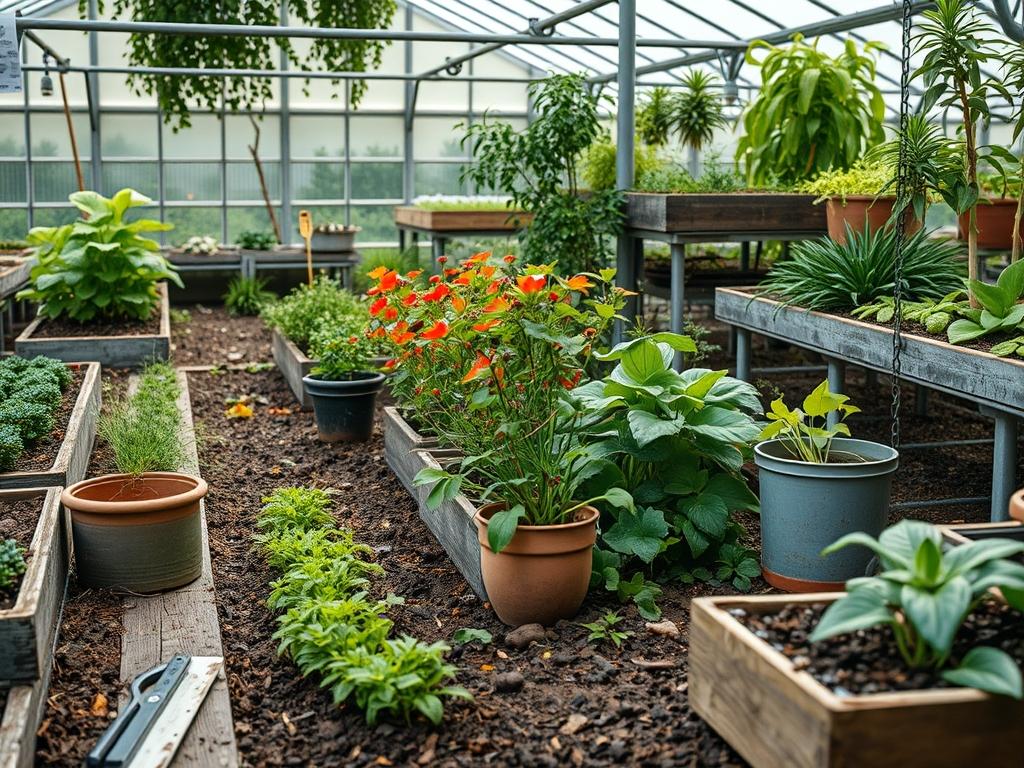
Managing a high end residential landscape requires more than just an aesthetic eye; it demands a deep understanding of the delicate biological systems that sustain your outdoor living space. When nocturnal wildlife like raccoons enter the equation, many homeowners reach for quick fixes to protect their investment. However, the use of ammonia raccoon deterrents represents a significant risk to the integrity of your soil chemistry and the health of your ornamental specimens. While the pungent scent of ammonia may temporarily ward off pests, the chemical reality of this substance can cause localized toxicity, nitrogen burn, and disruption of the soil microbiome. A truly functional backyard should serve as a sanctuary for the inhabitants while maintaining a professional level of curb appeal that relies on sustainable, long term strategies rather than reactive chemical applications. Ammonia is a caustic substance that can lower the quality of your outdoor environment by altering pH levels and damaging the root systems of expensive native plants.
Landscape Design Principles
Professional landscape architecture emphasizes the creation of a cohesive environment through symmetry, focal points, and elevation layers. When we design a space, we consider how every element, from the limestone pavers to the Japanese Maple, interacts with the surrounding ecosystem. Raccoons often target the most manicured areas, such as a freshly installed sod lawn or a pond stocked with Koi. To mitigate this without relying on harmful ammonia raccoon deterrents, a designer must focus on visual balance and physical barriers.
Focal points should be placed in areas where they can be properly illuminated and monitored. Strategic lighting helps discourage nocturnal activity while highlighting architectural features. Elevation layers also play a role in pest management. By utilizing retaining walls and terraced garden beds, you can create physical heights that are less accessible to scavenging animals. Walkway placement is equally important. Using compacted gravel or flagstone with tight joints prevents animals from digging between the cracks in search of grubs. A well planned irrigation system also ensures that the moisture levels are consistent, which prevents the soil from becoming overly soft and inviting for digging. Symmetry provides a sense of order that makes any disruption by wildlife immediately apparent, allowing for quick intervention using safer methods like motion activated sprinklers or ultrasonic devices.
Plant and Material Selection
Choosing the right flora is essential for both the aesthetic and the resilience of the garden. The following table outlines specific plants that contribute to a robust landscape while requiring specific soil and sun conditions.
| Plant Type | Sun Exposure | Soil Needs | Water Demand | Growth Speed | Maintenance Level |
| :— | :— | :— | :— | :— | :— |
| Buxus sempervirens | Full sun to shade | Well drained | Moderate | Slow | Low |
| Echinacea purpurea | Full sun | Loamy, moist | Low | Medium | Low |
| Nepeta faassenii | Full sun | Sandy, dry | Low | Fast | Moderate |
| Pachysandra terminalis | Full shade | Acidic, rich | Moderate | Medium | Low |
| Hydrangea macrophylla | Partial shade | Rich, porous | High | Fast | High |
| Panicum virgatum | Full sun | Any type | Low | Fast | Low |
Materials used in the construction of the landscape must be durable and weather resistant. For high traffic areas, granite pavers or bluestone offer longevity. When selecting a mulch, a 3 inch layer of double shredded hardwood mulch is ideal for moisture retention and weed suppression. Avoid using ammonia raccoon deterrents near these organic materials, as the chemical can leach into the organic matter and kill the beneficial fungi that help your plants thrive.
Implementation Strategy
The successful implementation of a master garden plan begins with proper site preparation. First, you must evaluate the grading of the property to ensure that water moves away from the foundation of the home. Use a laser level to establish the correct pitch. If drainage is an issue, installing a French drain or a dry creek bed using river rock from 1 inch to 3 inches in diameter can manage runoff while adding a naturalistic element to the design.
Next, focus on the edging. Using steel edging or poured concrete curb provides a clean line between the lawn and garden beds. This prevents grass from encroaching on your ornamental plants and offers a slight barrier to digging animals. When planting, dig holes that are twice as wide as the root ball but no deeper than its current container height. Use a transplant fertilizer to encourage root development. For areas prone to raccoon activity, laying 1/4 inch hardware cloth just beneath the surface of the soil can prevent animals from digging up bulbs or young plants. This physical barrier is far more effective and safer than applying ammonia raccoon deterrents, which must be reapplied frequently and can discolor your natural stone or kill your turfgrass. Finally, lay down a consistent layer of mulch to provide a finished look and protect the soil from temperature fluctuations.
Common Landscaping Failures
One of the most frequent mistakes in professional landscaping is the overreliance on chemical interventions. While ammonia raccoon deterrents might seem like a quick fix, they often lead to severe soil compaction and chemical imbalances. When ammonia is poured directly onto the ground, it can burn the delicate root hairs of nearby plants, leading to stunted growth or death. Another common failure is improper drainage planning. If water pools in the landscape, it softens the earth, making it significantly easier for raccoons to dig for grubs. This activity destroys the root systems of your native plants and ruins the visual continuity of the garden.
Root overcrowding is another issue that occurs when plants are spaced too closely for immediate impact. A professional designer plans for the growth of the plant five to ten years in the future. Overcrowding creates stagnant air pockets which lead to fungal diseases like powdery mildew. Irrigation inefficiencies, such as watering at night or using poorly aimed spray heads, also contribute to pest problems. Wet foliage and soggy soil are magnets for wildlife. Use drip irrigation instead to deliver water directly to the roots, keeping the surface soil dry and less attractive to nocturnal visitors.
Seasonal Maintenance
Maintenance is a year round commitment that evolves with the seasons. In the spring, the focus should be on core aeration and the application of a pre emergent herbicide to prevent weeds. This is also the time to prune any deadwood from your trees using bypass pruners to encourage new growth. Ensure your irrigation controllers are calibrated for the increasing temperatures.
Summer requires diligent monitoring of moisture levels. If you notice signs of raccoon activity, avoid the temptation to use ammonia raccoon deterrents; instead, check the lawn for grubs using a spade. If grubs are present, treat the area with milky spore or beneficial nematodes, which address the root cause of the raccoon visits without harming the environment. In the autumn, leaf removal is critical to prevent the grass from being smothered. Use a leaf blower and then mulch the leaves to return nutrients to the soil. This is also the best time for planting new perennials as the cooler air and warm soil promote root establishment. Winter maintenance involves protecting sensitive plants from frost using burlap wraps and ensuring that hardscaping is clear of debris. Check for any gaps in fencing or retaining walls where animals might find shelter during the colder months.
Professional Landscaping FAQ
Why is ammonia harmful to my lawn and garden beds?
Ammonia is a caustic chemical that causes severe nitrogen burn on foliage and roots. It disrupts the natural pH of the soil, killing beneficial microbes and earthworms that are essential for a healthy, vibrant landscape ecosystem.
What is the best physical barrier for raccoon prevention?
Installing 1/4 inch hardware cloth or heavy duty poultry netting just below the mulch layer is the most effective physical deterrent. It prevents raccoons from digging without introducing toxic chemicals into your professional landscape design.
How does proper drainage reduce wildlife activity in my yard?
Raccoons are attracted to soft, saturated soil where they can easily dig for worms and grubs. By using French drains and proper grading to move water away, you keep the soil firm and less inviting for foraging animals.
Can I use scented plants as a deterrent instead of chemicals?
Yes, plants like Nepeta faassenii or Lavandula angustifolia have strong scents that raccoons find unpleasant. Integrating these into your garden design provides a natural, aesthetic way to discourage pests while enhancing your home’s overall curb appeal.
Should I use motion activated technology in my landscape plan?
Motion activated sprinklers or lights are excellent professional tools. They provide a startling stimulus that drives raccoons away without damaging your plant material or affecting the chemical composition of your carefully maintained soil and mulch.