
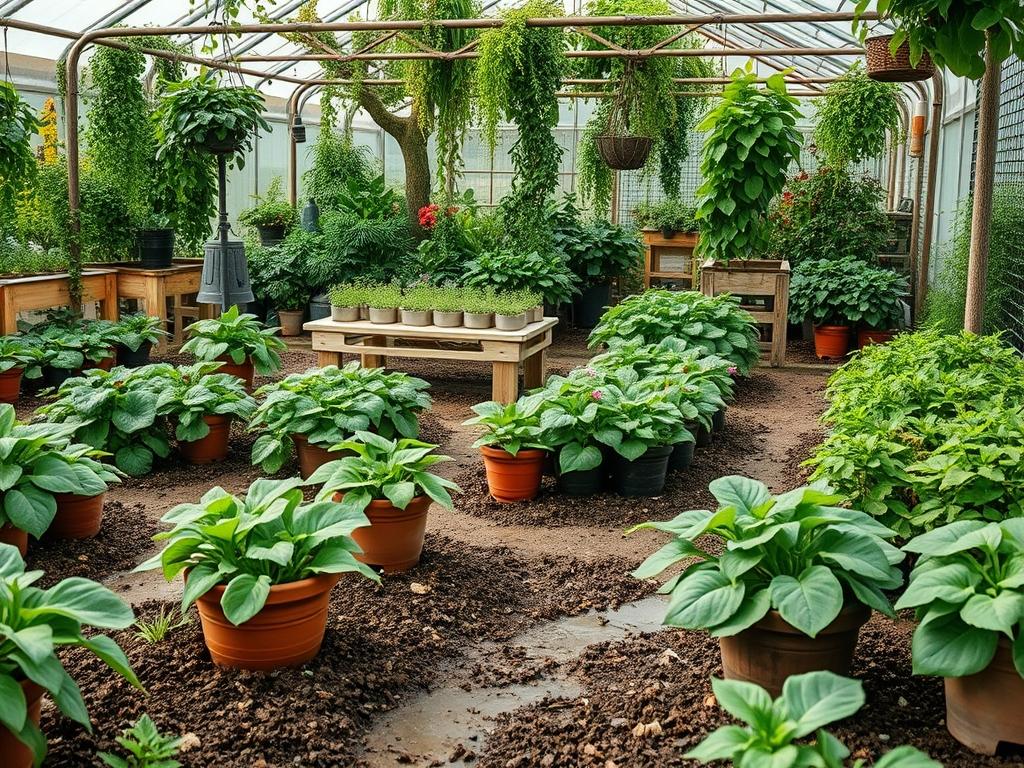
Maintaining a high-end residential landscape requires an understanding of how pathogens interact with the local environment. One of the most persistent aesthetic and biological challenges for any property owner is the appearance of powdery mildew. This fungal infection, characterized by a white or gray dusty coating on foliage, does more than just diminish curb appeal; it saps the vitality of the plant by inhibiting photosynthesis. When designing a low-maintenance outdoor space, the goal is to create a resilient ecosystem that functions efficiently without constant chemical intervention. We prioritize structural integrity and plant health through strategic selection, ensuring that the outdoor environment remains a functional extension of the home.
The presence of mildew is often a symptom of poor site planning, specifically regarding humidity and airflow. In regions where warm days are followed by cool, damp nights, the spores thrive on the surface of susceptible species. For a landscape architect, the objective is to mitigate these risks by using Powdery Mildew Resistant Plants that can withstand seasonal fluctuations. This approach reduces the need for fungicides and heavy pruning, aligning with modern sustainability goals. A well-executed garden plan considers the mature size of every specimen, the movement of the wind across the topography, and the specific microclimates created by the shadows of the home or existing retaining walls.
Landscape Design Principles
Professional landscape design starts with the concept of symmetry and visual balance. By creating a cohesive framework, we guide the eye toward focal points such as a well-placed statue or a high-contrast planting bed. To prevent disease, symmetry must be balanced with spacing. Overcrowding is the primary driver of fungal outbreaks. We design with the “mature spread” in mind, ensuring that even when the plants reach full size, there is sufficient gaps for wind to pass through the lower canopy.
Elevation layers play a critical role in both aesthetics and drainage. By utilizing a tiered approach, placing taller shrubs or clumping grasses in the rear and lower perennials in the foreground, we create a sense of depth while optimizing light exposure. Proper elevation also ensures that water does not pool around the root zone, which can increase local humidity. We integrate hardscaping elements like walkways and gravel paths to break up large organic masses, further aiding in air circulation.
Irrigation planning is another pillar of disease management. Overhead watering is the enemy of a mildew-free garden. We recommend drip irrigation systems installed beneath a layer of mulch. This delivery method targets the soil directly, keeping the foliage dry and denying fungal spores the moisture they need to germinate. By automating this process, we maintain consistent moisture levels, reducing the stress on the plants and making them more resilient to environmental pathogens.
Plant and Material Selection
Selecting the right cultivars is the most effective way to minimize maintenance labor. The following table highlights ten species that offer exceptional resistance to powdery mildew while providing diverse textures and colors for the landscape.
| Plant Type | Sun Exposure | Soil Needs | Water Demand | Growth Speed | Maintenance Level |
| :— | :— | :— | :— | :— | :— |
| Phlox ‘Jeana’ | Full Sun | Rich, Loamy | Medium | Fast | Low |
| Monarda ‘Gardenview Scarlet’ | Full Sun/Part Shade | Moist, Well-drained | High | Medium | Low |
| Zinnia ‘Profusion’ | Full Sun | Well-drained | Low | Fast | Very Low |
| Syringa ‘Bloomerang’ | Full Sun | Neutral pH | Medium | Medium | Moderate |
| Coreopsis ‘Moonbeam’ | Full Sun | Sandy/Poor Soil | Low | Medium | Low |
| Astilbe ‘Visions’ | Shade/Part Shade | Moist, Organic | High | Slow | Low |
| Sedum ‘Autumn Joy’ | Full Sun | Well-drained | Very Low | Medium | Very Low |
| Heuchera ‘Autumn Bride’ | Shade | Well-Drained | Medium | Medium | Low |
| Lagerstroemia ‘Natchez’ | Full Sun | Adaptable | Low | Fast | Moderate |
| Amsonia hubrichtii | Full Sun/Part Shade | Well-drained | Medium | Medium | Very Low |
Implementation Strategy
Implementing a professional garden layout requires more than just digging holes. The process begins with grading. The land must be sloped away from the home foundation at a minimum 2 percent grade to ensure that runoff is directed toward appropriate drainage basins or swales. This prevent moisture accumulation that fuels fungal growth. Once the grade is established, we use a transit level to verify that the ground is even before any hardscaping or stone work begins.
Edging provides the structural definition required for a premium look. We prefer using steel edging or poured concrete borders to create permanent barriers between turf and planting beds. This prevents invasive grass roots from competing with your Powdery Mildew Resistant Plants. After the borders are set, we focus on soil preparation. We incorporate organic compost into the top 8 inches of soil to improve tilth and nutrient availability.
When it is time to plant, the depth of the hole should be no deeper than the root ball, but twice as wide. This allows the roots to expand easily into the surrounding soil. After the plants are in the ground, we apply a 3-inch layer of hardwood mulch. Mulching serves three purposes: it regulates soil temperature, suppresses weeds, and prevents soil-borne spores from splashing onto the leaves during rain. Avoid “mulch volcanoes” around the base of trees or shrubs, as this can lead to trunk rot and pest infestations.
Common Landscaping Failures
One of the most frequent mistakes in residential landscaping is improper spacing. Homeowners often want an “instant” full look and plant specimens too close together. Within three years, the plants begin to compete for light and nutrients, and the lack of airflow leads to systemic mildew problems. It is much more effective to use temporary fillers or annuals while waiting for the permanent perennials to reach their designed size.
Soil compaction is another silent killer of landscape health. During construction, heavy machinery often packs the earth so tightly that oxygen cannot reach the roots. Without oxygen, the plant becomes stressed and significantly more susceptible to disease. We recommend using an aerator or a broadfork to loosen the soil before any planting occurs. Furthermore, neglecting the irrigation schedule can lead to either drought stress or root rot. Both extremes weaken the plant’s natural immune response to fungi.
Finally, many fail to consider the “wall of green” syndrome. This occurs when a single species is planted in a long, continuous hedge. If a disease like powdery mildew strikes, it can move rapidly from one plant to the next. By diversifying the species and incorporating ornamental grasses or flowering shrubs with different bloom times, you create a biological firebreak that slows the spread of any potential infection.
Seasonal Maintenance
Maintenance should be viewed as a seasonal cycle rather than a set of chores. In the Spring, the focus is on cleanup and preparation. We remove any dead foliage from the previous year, as these can harbor overwintering fungal spores. This is also the time to apply a preventative slow-release fertilizer to support the initial growth spurt.
During the Summer, the priority shifts to irrigation management and monitoring. Check the drip lines for clogs and ensure the water is reaching the root zones. If any mildew appears on non-resistant species, it should be addressed immediately with a mixture of neem oil or a potassium bicarbonate solution. Deadheading spent flowers on plants like Coreopsis will encourage a second flush of blooms.
In Autumn, we transition to protection. This is the ideal time to plant new shrubs or trees, as the cooler temperatures reduce transplant shock. We also replenish the mulch layers to protect the roots from the coming freeze. Cutting back certain perennials, such as Phlox, to the ground after the first frost helps eliminate the debris where pathogens hide.
In Winter, maintenance is primarily structural. We prune deciduous trees and Lagerstroemia while they are dormant to shape the canopy and remove crossing branches. This “dormant pruning” is essential for ensuring maximum sunlight reaches the interior of the plant during the following growing season.
Professional Landscaping FAQ
What is the best way to prevent powdery mildew organically?
The most effective organic method is ensuring maximum airflow and choosing resistant cultivars. You can also use a foliar spray made of one part milk to nine parts water, which changes the leaf pH to inhibit spore growth.
Does mulch help or hurt with fungal diseases?
Properly applied mulch helps by preventing soil-borne spores from splashing onto leaves. However, mulch should never touch the stems or trunks. Keep a 2-inch gap between the mulch and the plant base to prevent rot and pest access.
How often should I check my irrigation system?
We recommend a monthly inspection of all emitters and valves. Look for signs of pooling water or unusually dry patches. Ensuring your irrigation controller is adjusted for seasonal ET (evapotranspiration) rates will maintain optimal plant health and resistance.
Can I plant powdery mildew resistant plants in the shade?
Yes, but you must choose shade-tolerant species like Heuchera or Astilbe. Even resistant plants are more susceptible to mildew in the shade due to slower drying times, so spacing is even more critical in low-light areas.
When is the best time of day to water the garden?
The ideal time is between 4:00 AM and 8:00 AM. This allows the soil to soak up the moisture before the sun’s heat causes evaporation, and it ensures any accidental leaf moisture dries quickly during the day.