
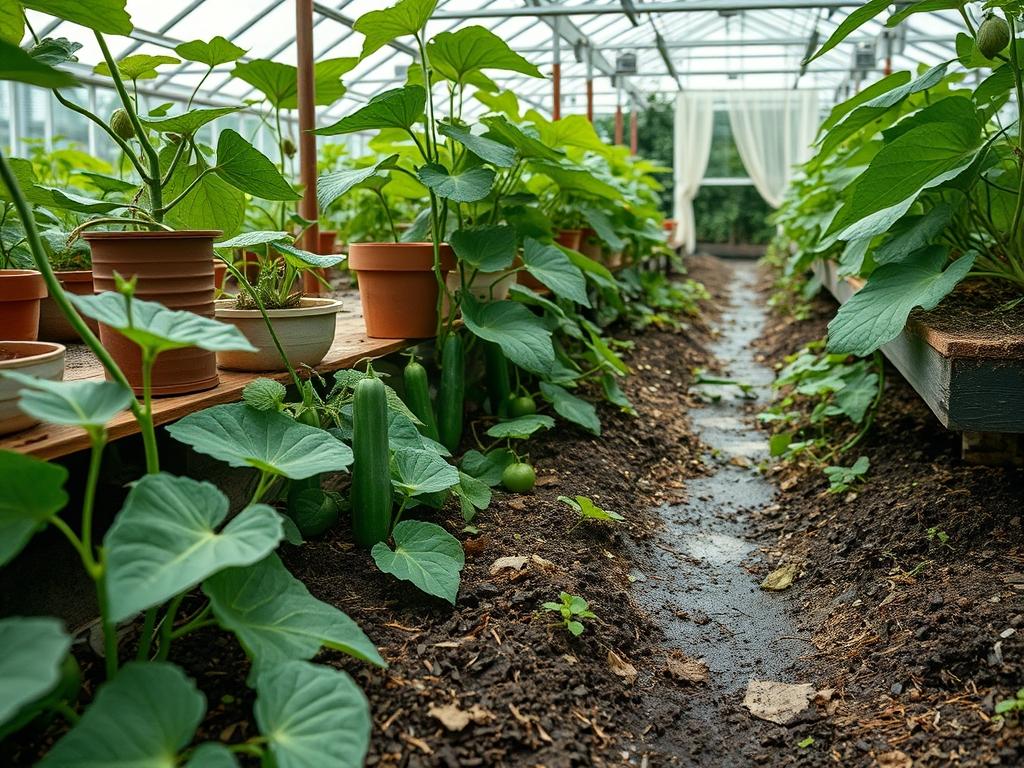
Integrating a productive vegetable garden into a high end residential landscape requires a delicate balance between aesthetic elegance and biological management. When a designer incorporates edible elements, they are creating a living system that must remain visually pristine while fulfilling its functional purpose. One of the most persistent challenges in this niche is managing ants in cucumber vines, a problem that often signals deeper issues with pest symbiosis and soil health. If left unmanaged, the presence of these insects can lead to the rapid spread of cucumber wilt, which degrades the lush greenery of the backyard and compromises the curb appeal of the entire property. A professional approach involves more than just reactive spraying; it requires an architectural view of the garden environment, focusing on drainage, airflow, and strategic plant placement to ensure the outdoor space remains both beautiful and bountiful.
Landscaping excellence is achieved when the utility of a kitchen garden is hidden within a sophisticated design framework. A well planned garden should feel like a natural extension of the home architecture, providing a seamless transition from indoor luxury to outdoor serenity. The introduction of cucumber vines, with their sprawling habits and large leaves, affords an opportunity to introduce vertical texture, but it also demands rigorous maintenance standards. When ants begin to colonize these vines, they are usually “farming” aphids or whiteflies for honeydew, creating a sticky residue that attracts sooty mold. This chain reaction can quickly turn a focal point into an eyesore. Therefore, the architectural strategy must prioritize a clean, organized growth environment that minimizes the conditions where these pests thrive, using structural elements to keep foliage off the ground and away from soil-borne pathogens.
Landscape Design Principles
Successful garden planning relies on the principle of symmetry and the establishment of clear focal points. For a garden featuring cucumber vines, using Cedar Obelisks or Custom Wrought Iron Trellises provides a formal structure that prevents the plants from overrunning paths. This verticality creates elevation layers, allowing smaller ornamental plants to occupy the foreground while the vines provide a lush, green backdrop. By lifting the vines, we improve air circulation and facilitate easier inspections for ants and their associated pests. A symmetrical layout, perhaps featuring twin raised beds on either side of a central Flagstone Path, ensures the garden looks intentional rather than haphazard.
Focal points are equally critical. A stone fountain or a sculptural element placed at the end of a sightline draws the eye, making the functional vegetable beds feel like part of a curated gallery. In these beds, the soil composition must be engineered for performance. Using a mix of Screened Topsoil, Mushroom Compost, and Perlite ensures a well-draining medium that prevents the soggy conditions favored by many ant species. Furthermore, proper irrigation planning is essential. By employing a Drip Irrigation System buried beneath the Hardwood Mulch, water is delivered directly to the roots without wetting the leaves. This is a vital architectural decision, as wet foliage is the primary vector for fungal spores and the bacterial wilt that often follows heavy insect activity.
Plant and Material Selection
Selecting the right materials and plant varieties determines the long term resilience of the landscape. Choose cucumber varieties that are bred for wilt resistance to reduce the risk of sudden vine collapse.
| Plant Type | Sun Exposure | Soil Needs | Water Demand | Growth Speed | Maintenance Level |
| :— | :— | :— | :— | :— | :— |
| Cucumber (Marketmore) | Full Sun | Well-drained Loam | High | Fast | Moderate |
| French Marigold | Full Sun | Average | Moderate | Moderate | Low |
| Nasturtium | Full Sun | Poor to Average | Moderate | Fast | Low |
| Peppermint | Part Shade | Moist and Rich | High | Rapid | High (Use Pots) |
| Dwarf Boxwood | Full to Part Sun | Well-drained | Moderate | Slow | Low |
The inclusion of companion plants like French Marigold and Nasturtium serves a dual purpose. They provide pops of color that enhance the visual balance of the garden while acting as a natural deterrent for the pests that ants protect. For hardscaping, use Polygonal Flagstone or Decomposed Granite for walkways to provide a clean, accessible surface that does not harbor insect nests as easily as dense turf might.
Implementation Strategy
The transition from design to reality begins with proper site grading. The area intended for your cucumber vines must have a 2% slope away from the home foundation to prevent standing water. Once the site is leveled, install Pressure-Treated Timber or Natural Stone retaining walls to create raised garden beds. Raised beds are the professional standard for managing ants in cucumber vines because they allow for complete control over soil density and drainage.
After constructing the beds, lay down a layer of Geotextile Fabric to prevent weeds from competing with your crops. Fill the beds with your engineered soil mix, leaving approximately 3 inches of headspace for mulch. Install your Cattle Panel Trellis or support structures before planting to avoid disturbing the roots later. When planting, space your Cucumber Seedlings at least 12 inches apart to ensure maximum airflow. Once the vines are in the ground, apply a 2 inch layer of Cedar Mulch. Cedar contains natural oils that are unpleasant to ants, providing a chemical-free barrier that maintains soil moisture and regulates temperature.
Common Landscaping Failures
One of the most frequent mistakes in landscape architecture is poor drainage management. When water pools around the base of vines, it creates a humid microclimate that is a magnet for ants and a breeding ground for bacterial wilt pathogens. Without a proper exit path for excess moisture, the roots become stressed, making the plant an easy target for striped cucumber beetles. These beetles are the primary carriers of wilt, and their larvae can devastate the root zone.
Ants in cucumber vines often go overlooked until the damage is severe. The failure to address an aphid infestation early means the ants will continue to protect their “livestock” from natural predators like ladybugs. Furthermore, soil compaction is a silent killer in many gardens. When heavy foot traffic or poor soil quality prevents oxygen from reaching the roots, the plant’s immune system weakens. In a professional landscape, walkways should always be clearly defined with Edging Materials such as Steel Edging or Paver Borders to keep foot traffic off the growing medium. Finally, irregular irrigation cycles can cause the cucumber fruit to become bitter and the vines to become susceptible to stress-induced pests.
Seasonal Maintenance
Seasonal care is what separates a professional landscape from a hobbyist garden. In the spring, focus on soil preparation and the application of Pre-emergent Herbicides if necessary. This is the time to inspect your Irrigation Emitters for clogs and to ensure your trellises are structurally sound. As the temperature rises in the summer, monitor for ants in cucumber vines daily. If you spot ant trails, apply Diatomaceous Earth around the base of the trellis. This organic powder is a mechanical deterrent that prevents ants from climbing without harming the beneficial microbes in the soil.
Autumn is reserved for sanitation. Remove all spent vines and foliage to ensure that pathogens and insect eggs do not overwinter in the garden. This is the time to add a fresh layer of Organic Compost to replenish nutrients. During the winter, focus on the hardscape. Inspect your Retaining Walls for shift and clean your Garden Tools with a solution of water and Isopropyl Alcohol. Keeping the site clean during the dormant season reduces the likelihood of a massive ant emergence the following spring.
Professional Landscaping FAQ
How do ants specifically harm cucumber vines?
Ants do not eat the vines themselves, but they protect aphids and scale insects from predators. These pests suck the sap from the vines, weakening the plant and creating entry points for the bacteria that cause fatal cucumber wilt.
What is the best way to deter ants without chemicals?
Create a physical barrier using Diatomaceous Earth or Cinnamon at the base of the trellis. Additionally, keeping the vines elevated on a Metal Trellis makes the trail more difficult for ants to maintain compared to vines sprawling on mulch.
Can irrigation style prevent cucumber wilt?
Yes, using a Drip Irrigation System is superior to overhead sprinklers. By keeping the foliage dry, you prevent the water-borne spread of Erwinia tracheiphila, the bacterium responsible for wilt, which is often moved between plants by splashing water.
Why is cedar mulch recommended for these gardens?
Cedar Mulch contains thujone, a natural oil that acts as a deterrent for ants and other crawling insects. It also decomposes slower than straw, providing a stable, clean environment that suppresses weeds and retains essential soil moisture throughout the summer.
What are the signs of bacterial wilt?
The first sign is often a single leaf or branch wilting during the day and recovering at night. Eventually, the entire vine will collapse and turn yellow. If you see ants nearby, they are likely tending to the beetles that spread this disease.