
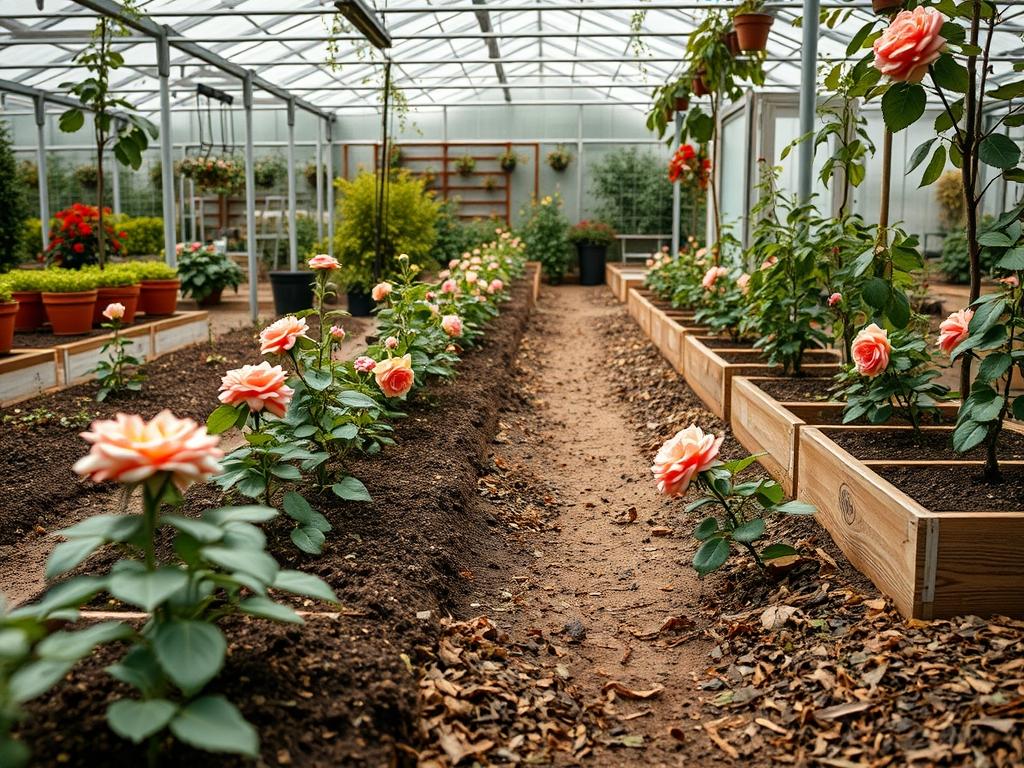
Cultivating a high-end rose garden requires more than a simple focus on bloom quality and soil pH; it demands a comprehensive understanding of the ecological relationships that exist within the landscape. As a landscape architect, I view the garden as a living system where every visual element must serve a functional purpose. One of the most persistent challenges in maintaining the structural integrity and aesthetic value of a formal rose garden is the management of ants in rose gardens. While ants themselves do not typically eat the roses, their presence often indicates a deeper, more insidious problem: a parasitic bond with aphids. Ants act as a private security force for these sap-sucking insects, protecting them from natural predators like Ladybugs and Lacewings in exchange for the sugary honeydew that aphids excrete. This mutualistic relationship can lead to distorted growth, yellowing leaves, and a significant decrease in the overall curb appeal of a professional landscape design.
To provide long-term functionality and beauty, a rose garden must be designed with integrated pest management in mind. Proper elevation, strategic drainage, and the selection of repellent companion plants are not just horticultural choices; they are architectural decisions that define the lifespan of the outdoor environment. When we design for luxury estates, we look beyond the initial planting phase and consider how the environment will behave five to ten years down the line. Managing ants in rose gardens requires a proactive approach that begins with the very grading of the site. Preventing moisture stagnation and creating physical barriers through smart hardscaping and material selection can effectively break the aphid-ant cycle without the need for harsh chemical interventions that might damage the local ecosystem.
Landscape Design Principles
A professional rose garden should be built upon the principles of symmetry, visual balance, and efficient air circulation. From a landscape design perspective, the arrangement of Hybrid Tea Roses or Floribunda varieties must allow for distinct focal points while maintaining accessible walkways for maintenance. When planning the layout, it is essential to incorporate elevation layers. By using Natural Stone Retaining Walls or raised masonry beds, you create a physical separation between the turf, where many ant colonies originate, and the ornamental rose beds. This elevation not only adds a vertical dimension to the garden but also improves drainage, ensuring that the root zones do not become anaerobic and attract moisture-loving pests.
Walkways should be more than just paths; they serve as tactical barriers. Using materials like Crushed Granite or Compacted Pea Gravel around the perimeter of the rose beds can deter ant movement. Ants prefer stable, undisturbed soil for their tunneling operations. The shifting nature of loose stone aggregates makes it challenging for them to establish permanent trails into the center of the garden. Furthermore, the irrigation planning must be precise. We often specify Drip Irrigation Systems rather than overhead sprayers. High-efficiency drip emitters deliver water directly to the Root Ball, keeping the foliage dry and reducing the humidity levels that aphids thrive in. By controlling the microclimate through design, you significantly reduce the likelihood of seeing ants in rose gardens.
Plant and Material Selection
The following table outlines high-performance plant species and materials that help maintain the structural and ecological health of a rose-focused landscape.
| Plant Type / Material | Sun Exposure | Soil Needs | Water Demand | Growth Speed | Maintenance Level |
| :— | :— | :— | :— | :— | :— |
| French Marigolds | Full Sun | Loamy/Well-drained | Medium | Fast | Low |
| English Lavender | Full Sun | Sandy/Alkaline | Low | Medium | Medium |
| Golden Garlic | Full Sun | Rich/Organic | Medium | Fast | Low |
| Rosemary | Full Sun | Well-drained | Very Low | Slow | Low |
| Cedar Mulch | N/A | N/A | N/A | N/A | High (Annual) |
| Catmint | Full Sun/Partial | Average | Low | Fast | Low |
Strategic plant selection acts as a biological barrier. English Lavender and Rosemary contain volatile oils that are naturally repellent to many crawling insects. When these are used as edging plants around the primary rose collection, they create a scent barrier that disrupts the pheromone trails used by ants. Additionally, French Marigolds are excellent for suppressing soil-borne pests and providing a vibrant color contrast that enhances the visual depth of the garden.
Implementation Strategy
Implementing a professional garden layout starts with meticulous site preparation. First, the area must be graded to ensure a 2% Slope away from any structures or the center of the garden beds to prevent standing water. Once the grade is established, the use of a high-quality Heavy Duty Landscape Fabric can be applied under walkways to prevent weed growth, though we generally advise against using it directly under the roses to allow for organic nutrient exchange.
The next step is the installation of structural edging. Steel Edging or Belgium Block provides a clean, crisp line that separates the lawn from the mulch beds. This is crucial for controlling ants in rose gardens because it provides a clear zone where Diatomaceous Earth or other organic barriers can be applied if an infestation occurs. When planting, each rose should be spaced at least 36 Inches apart to ensure maximum air circulation. After the roses are set into the ground using a mix of Compost and Native Soil, apply a 3-Inch Layer of premium Shredded Cedar Mulch. Cedar contains plicatic acid, which is a natural deterrent for many insects. Avoid letting the mulch touch the base of the rose canes; instead, leave a 2-Inch Gap to prevent rot and to make it easier to inspect the transition zone for ant activity.
Common Landscaping Failures
One of the most frequent mistakes in residential landscaping is “volcano mulching.” This occurs when high mounds of mulch are piled against the stems of the plants. Not only does this trap moisture against the bark, leading to fungal diseases, but it also provides a protected highway for ants to climb directly into the canopy of the rose bush to tend their aphid herds. Another failure is improper spacing. When roses are overcrowded, the lack of airflow creates a humid “greenhouse effect” that is the primary driver for aphid explosions.
Irrigation inefficiencies also contribute significantly to pest problems. Constant, shallow watering keeps the surface of the soil damp, which is ideal for ant nesting. We recommend deep, infrequent watering cycles that encourage the rose roots to grow downward and keep the top inch of soil dry. Finally, neglecting soil compaction can be a major setback. Compacted soil prevents proper drainage and creates stressed plants. A stressed rose bush emits chemical signals that attract aphids, thereby inviting the ants to move in and establish their colonies. Regular aeration and the addition of Organic Matter are essential to maintain soil porosity.
Seasonal Maintenance
To keep ants in rose gardens under control, a seasonal management plan is required. In the spring, the focus should be on sanitation and prevention. Use Bypass Pruners to remove any dead or crossing canes, then apply a Dormant Oil Spray to the rose bushes before the leaves fully emerge. This suffocates overwintering aphid eggs and scale insects, breaking the food chain before it starts.
During the summer months, the priority shifts to monitoring and mechanical control. A sharp stream of water from a Garden Hose can knock aphids off the foliage, and without their aphid partners, ants often lose interest in the roses. Autumn is the time for structural cleanup. Remove all fallen leaves and spent blooms, as these can harbor pests over the winter. If you used Wood Mulch, thin it out or move it to ensure it is not becoming a nesting site for queens. In the winter, focus on the hardscape. Inspect Retaining Walls and Flagstone Paths for cracks that might serve as entry points for colonies, and seal them with Mortar or Polymeric Sand as needed to maintain a pristine and pest-resistant environment.
Professional Landscaping FAQ
How does mulch type affect ants in rose gardens?
Cedar Mulch and Cypress Mulch contain natural resins that repel ants. Conversely, moisture-retaining hardwood mulches can provide a hospitable nesting environment. Using a high-quality, aromatic wood mulch is a primary line of defense in luxury landscape management.
Why are ants attracted to my roses specifically?
Ants are drawn to the honeydew produced by aphids, which frequently infest the tender new growth of roses. The ants protect the aphids from predators, ensuring a steady food source. Managing the aphids is the key to removing the ants.
Can hardscaping prevent ant infestations?
Yes. Using Concrete Footings for walls and Compacted Sand bases for pavers creates a dense barrier that is difficult for ants to penetrate. Strategic use of stone also reduces the amount of soft soil available for nesting near the plants.
Is drip irrigation better for pest control?
Absolutely. Drip irrigation keeps the soil surface dry and prevents water from collecting in the foliage. Since many pests, including ants and aphids, thrive in high-humidity environments, controlling moisture levels through precision irrigation is highly effective for pest suppression.
What is the best way to physically block ants?
Applying a sticky barrier, such as Horticultural Glue, around the base of the rose canes can prevent ants from climbing the plant. This interrupts the aphid bond and allows natural predators to clear the aphid population without interference from the ants.