
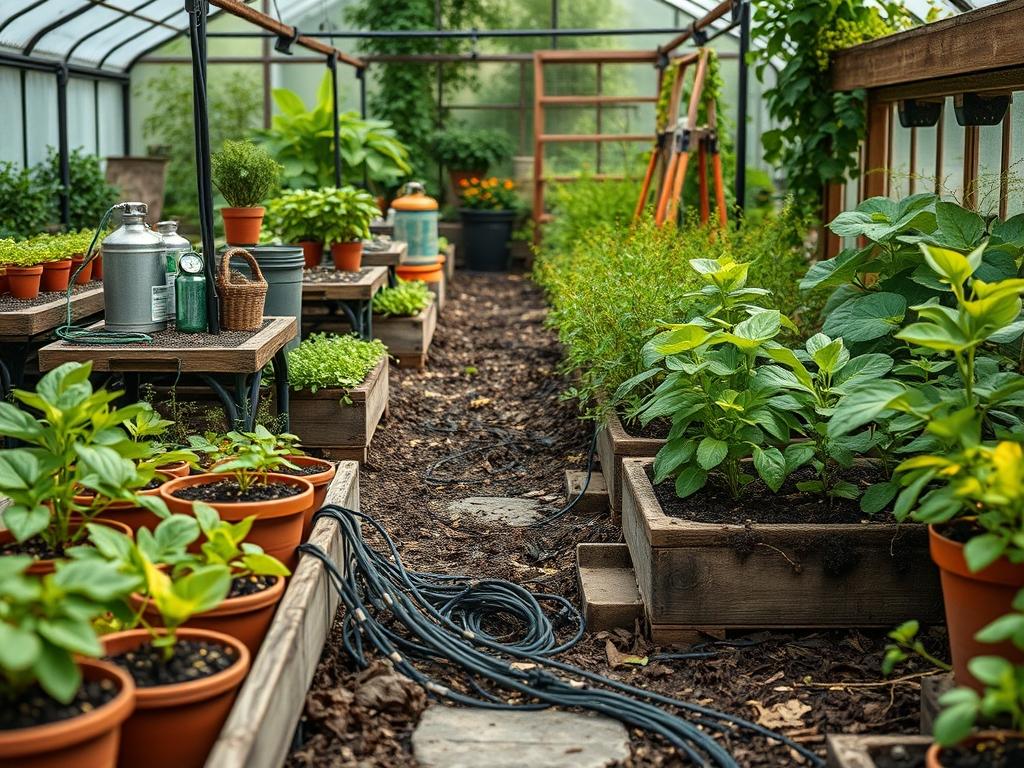
Integrating tropical flora into a professional landscape design requires more than an eye for aesthetics; it demands a rigorous understanding of the biological vulnerabilities unique to exotic species. While large leaf specimens provide unparalleled architectural drama and lush texture, they serve as primary targets for Planococcus citri, commonly known as the citrus mealybug. These pests appear as small, white, cotton-like clusters nestled in the leaf axils and undersides of foliage. In a high-end outdoor environment, a mealybug infestation is not merely a horticultural nuisance. It is a threat to the structural integrity of your focal points and the overall curb appeal of the property. Management of these pests must be woven into the initial site planning and ongoing maintenance protocols. By viewing mealybug treatment tips through the lens of a landscape consultant, we can create environments that are both visually stunning and biologically resilient.
Successful tropical landscaping often hinges on the transition between indoor sunrooms and outdoor living spaces. When we deploy Mediterranean or tropical species, we must consider the microclimate of the site. Stagnant air and excessive humidity often invite pest colonizations that can quickly spread to adjacent native plantings. Effective mealybug treatment tips begin with prevention through design. Proper spacing is the first line of defense. By ensuring that every Ficus or Palm has adequate room for air circulation, we reduce the damp, sheltered environments where mealybugs thrive. When these pests take hold, they excrete honeydew, a sticky substance that promotes the growth of sooty mold. This mold devalues the landscape by coating leaves in a black, soot-like film, which inhibits photosynthesis and diminishes the vibrant colors intended by the architect.
LANDSCAPE DESIGN PRINCIPLES
In professional garden planning, symmetry and visual balance are achieved through the strategic placement of specimen plants. Mealybugs often target these primary focal points, such as a large Monstera deliciosa or a towering Bird of Paradise. If a focal point becomes infested, the symmetry of the entire design is compromised. To prevent this, we utilize elevation layers. By placing susceptible tropicals on raised pedestals or within well-drained Retaining Wall tiers, we can improve drainage and make it easier for maintenance crews to inspect the undersides of leaves. This verticality allows for “scouting,” which is the professional practice of early pest detection.
Irrigation planning is another pillar of landscape design that directly impacts pest management. Over-watering creates a physiological stress in tropical plants that makes them more attractive to sucking insects. We recommend the use of Drip Irrigation systems over overhead sprinklers. Overhead watering can sometimes displace mealybugs, but more often, it increases the ambient humidity within the canopy, fostering an ideal breeding ground. A precise, ground-level water delivery system keeps the foliage dry while ensuring the root zone receives the specific 1 to 2 inches of moisture required weekly. Furthermore, the use of walkways and hardscaping elements provides clear access for treatment. If a plant is tucked too deeply into a dense bed, it will likely be neglected during routine checks, allowing a small colony to become a landscape-wide outbreak.
PLANT AND MATERIAL SELECTION
Selecting the right material involves balancing aesthetic goals with maintenance realities. The following table outlines common tropical specimens and their specific requirements within a managed landscape.
| Plant Type | Sun Exposure | Soil Needs | Water Demand | Growth Speed | Maintenance Level |
| :— | :— | :— | :— | :— | :— |
| Monstera deliciosa | Partial Shade | Peat-based mix | Medium | Fast | Moderate |
| Strelitzia reginae | Full Sun | Rich Loam | High | Moderate | High |
| Codiaeum variegatum | Full Sun | Well-drained | Medium | Moderate | High |
| Sansevieria | Low to Full | Sandy/Gritty | Low | Slow | Low |
| Dracaena marginata | Indirect Light | Standard Potting | Low | Moderate | Moderate |
| Hibiscus rosa-sinensis | Full Sun | Acidic/Moist | High | Fast | High |
IMPLEMENTATION STRATEGY
The implementation of a tropical garden bed starts with grading. Ensuring the land slopes away from the plant base at a 2 percent grade prevents water from pooling, which attracts both fungus gnats and mealybugs. Once the site is graded, we establish edging using Steel Edging or Stone Borders to define the planting zone. This physical barrier prevents invasive turf grass from competing with your tropicals for nutrients. When planting, always use a Transplant Fertilizer to reduce shock. A stressed plant releases chemicals that actually signal pests to attack.
For active infestations, the mealybug treatment tips follow a tiered approach. First, mechanical removal is necessary. Use a High-Pressure Water Hose to physically knock the majority of the insects off the plant. For delicate interior tropicals, use 70 percent Isopropyl Alcohol on a Cotton Swab to dab individual insects. This dissolves their protective waxy coating and kills them instantly. Second, apply a horticultural oil or Neem Oil spray. This should be done in the early morning or late evening to avoid leaf scorch from the sun. The oil coats any remaining eggs and nymphs, suffocating them. Finally, for large landscapes where manual treatment is labor-intensive, a systemic insecticide containing Imidacloprid can be applied as a soil drench. This material is absorbed by the roots and moves through the vascular system, providing long-term protection from within.
COMMON LANDSCAPING FAILURES
One of the most frequent failures in garden planning is soil compaction. When soil is packed too tightly around the root ball, oxygen levels drop, and the plant becomes susceptible to secondary infections and infestations. We use Aeration Tools to ensure the soil remains porous. Another common mistake is improper mulch depth. While a 3-inch layer of Cedar Mulch is excellent for moisture retention, piling it against the trunk of a tropical tree creates a “mulch volcano.” This traps moisture against the bark, rotting the tissue and providing a highway for mealybugs to crawl from the ground into the canopy.
Root overcrowding is also a significant concern, especially in container-based tropical designs. When a plant becomes root-bound, its ability to transport systemic treatments is diminished. Professional architects recommend repotting or root-pruning every 24 months to maintain vigor. Finally, many homeowners fail to calibrate their irrigation. Inefficiencies in the layout can lead to “hot spots” where plants dry out, or “dead zones” where water stagnates. Both extremes weaken the plant immune system, making your mealybug treatment tips less effective because the host is simply too weak to recover.
SEASONAL MAINTENANCE
Landscape management is a year-round commitment. In the spring, the focus is on “The Big Clean.” Remove all dead leaf litter where mealybug eggs may have overwintered. Apply a fresh 1-inch layer of Compost to bolster plant immunity before the growth surge. During the summer, increase scouting frequency. Mealybugs breed most rapidly in temperatures between 70 and 90 degrees Fahrenheit. Check the undersides of leaves every 14 days. If you spot the tell-tale white fuzz, begin the Neem Oil protocol immediately.
As autumn approaches, reduce nitrogen-heavy fertilization. Excessive nitrogen produces soft, succulent new growth that mealybugs find irresistible. Instead, focus on potassium-rich nutrients to strengthen cell walls for the coming cooler months. In winter, for those in marginal climates, many tropicals are moved indoors or under cover. This transition is the most common time for mealybugs to spread. Before moving any plant, give it a thorough “Standard Wash” using Insecticidal Soap. If the plant is being overwintered in the ground, use Frost Blankets but ensure they do not touch the foliage, as the trapped humidity can lead to fungal outbreaks alongside pest issues.
PROFESSIONAL LANDSCAPING FAQ
What is the fastest way to kill mealybugs on large tropicals?
The most efficient method is a combination of a High-Pressure Water Spray to remove bulk populations, followed by an application of 70 percent Isopropyl Alcohol. For long-term control, apply a systemic soil drench to protect the plant from the inside out.
Can mealybugs survive in the soil of my landscape beds?
Yes, certain species like the root mealybug live entirely underground. If your plants look wilted despite proper watering, check the roots for white, waxy deposits. Treat these by drenching the root zone with a diluted Insecticidal Soap or a labeled systemic pesticide.
Does mulch attract mealybugs to my garden?
Mulch itself does not attract them, but improper application can. High moisture levels at the base of the plant provide a protected environment. Always keep Wood Chips or Bark Mulch at least 3 inches away from the main stem or trunk.
Are there any natural predators I can use in my landscape?
Specifically, the Ladybug and the Mealybug Destroyer (Cryptolaemus montrouzieri) are excellent biological controls. These beneficial insects can be released into your garden beds to hunt mealybugs naturally, reducing the need for heavy applications of Chemical Pesticides in sensitive areas.
How often should I apply Neem Oil for a serious infestation?
For active outbreaks, apply Neem Oil every 7 to 10 days. This schedule accounts for the hatching cycle of new eggs. Continue this process for at least three cycles after the last visible pest has been removed to ensure the colony is eliminated.