
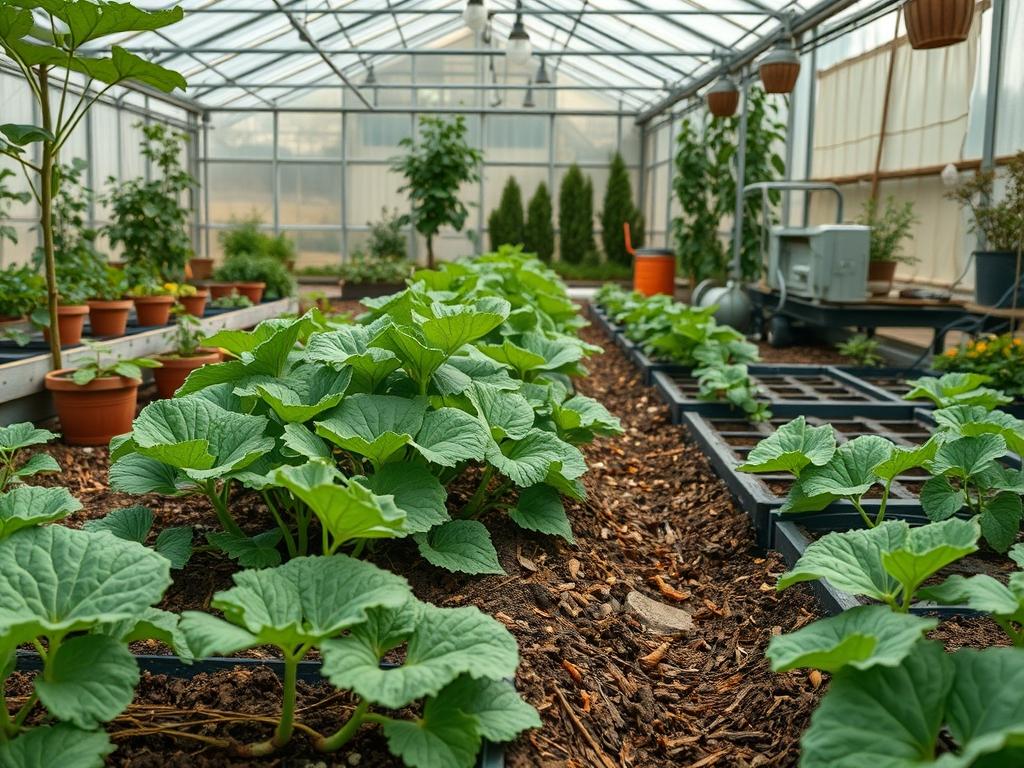
Managing a vegetable patch within a curated landscape requires a sophisticated balance between aesthetic appeal and biological control. Squash Bug Management is often the primary hurdle for homeowners seeking to maintain a high level of curb appeal while producing high quality edible crops. These pests, known as Anasa tristis, can quickly transform a lush garden into an eyesore of wilted foliage and scorched stems. Integrating these patches into the broader outdoor environment necessitates a focus on site orientation, air circulation, and the strategic positioning of hardscape elements to ensure the space remains both functional and visually harmonious. A well designed landscape does more than look beautiful; it serves as the first line of defense against pest infestations by creating an environment where the plants thrive and the insects find no sanctuary. By treating the vegetable garden as a structural element of the landscape, we can mitigate the impact of squash bugs through elevation, material selection, and deliberate plant grouping.
Effective Squash Bug Management begins with site preparation and the physical layout of the cultivation zone. From a professional consulting perspective, the placement of Cucurbita species should never be an afterthought. These plants require significant space and specific microclimates to remain healthy. When squash bugs move in, they target the underside of leaves and the base of the stems, where they can hide in the shadows of dense foliage. By designing the garden with airflow and light penetration in mind, the landscape architect creates a zone that is naturally less hospitable to these pests. This approach involves more than just planting; it entails the orchestration of the entire outdoor living space to support the health of the vegetable patch without sacrificing the clean lines and elegance expected in a professional landscape design.
Landscape Design Principles
In professional landscape architecture, symmetry and balance play a critical role in the functionality of an edible garden. For Squash Bug Management, a symmetrical layout with clearly defined paths allows for easier inspection and maintenance. When beds are laid out in a geometric pattern, the gardener can access all sides of the plant without stepping into the growing medium. This prevents soil compaction, which is a major factor in plant stress. Stress signals from the plant, such as chemical emissions or wilting, are like beacons for squash bugs. By maintaining structural integrity and ease of access, you ensure that every Yellow Squash or Zucchini plant is under constant observation.
Focal points and elevation layers are equally important. Utilizing raised beds or Tiered Retaining Walls constructed from Natural Stone or Pressure-Treated Timber can elevate the plants to a height where manual pest removal is significantly more comfortable. Elevation also improves drainage, ensuring that the base of the squash plants remains dry. Squash bugs thrive in humid, damp environments near the soil surface. Improving the elevation by even 12 inches to 18 inches can change the humidity profile at the stem level. Furthermore, integrating dedicated walkways using Decomposed Granite or Flagstone provides a clean, dry surface that does not harbor the debris where these insects often hide during the heat of the day.
Irrigation planning must be precise. Overhead watering is a common failure in residential landscapes because it saturates the foliage and creates a high-humidity canopy. A professional design utilizes Drip Irrigation lines buried beneath a layer of Hardwood Mulch. This keeps the water at the root zone, leaving the leaves and stems dry. Dry foliage is less attractive to squash bugs and less susceptible to the diseases they carry, such as cucurbit yellow vine disease. Visual balance is achieved by surrounding these functional vegetable beds with Ornamental Grasses or Native Flowering Perennials that attract predatory insects, such as tachinid flies, which naturally assist in Squash Bug Management.
Plant and Material Selection
| Plant Type | Sun Exposure | Soil Needs | Water Demand | Growth Speed | Maintenance Level |
| :— | :— | :— | :— | :— | :— |
| Butternut Squash | Full Sun | Rich, Organic | Moderate | Medium | Medium |
| Blue Hubbard | Full Sun | Well-Drained | High | Fast | High |
| Marigolds | Full Sun | Average | Low | Medium | Low |
| Nasturtium | Partial Sun | Sandy/Loamy | Moderate | Fast | Low |
| Tromboncino | Full Sun | Loamy | Moderate | Rapid | Medium |
| Radishes | Full/Partial | Loose Soil | Moderate | Very Fast | Low |
Selecting the right materials for the surrounding landscape is as important as the plants themselves. Using Light-Colored Pea Gravel for paths can reflect sunlight up under the leaves, a technique that discourages squash bugs who prefer the shade. In terms of plant selection, incorporating “trap crops” like Blue Hubbard Squash at the perimeter of the garden can draw the pests away from the primary harvest. This is a classic landscape management strategy where a sacrificial zone is created to protect the aesthetic and productive core of the garden.
Implementation Strategy
The implementation of a squash bug resistant garden begins with professional grading. Ensure the site has a 2 percent slope away from the vegetable patch to prevent standing water. Once the grade is established, the construction of raised beds should follow. Use a Heavy-Duty Landscape Fabric beneath the beds to prevent weeds from growing up into the squash, as these weeds often serve as secondary hosts or hiding spots for the bugs.
When the beds are built, install a high quality Hardware Cloth at the bottom to deter burrowing pests that might stress the squash roots. Fill the beds with a custom soil mix of 70 percent topsoil and 30 percent organic compost. When planting, maintain a spacing of at least 3 feet between plants. This might seem excessive in a small space, but for effective Squash Bug Management, air circulation is paramount. After planting, apply a 2-inch layer of Clean Wheat Straw or Pine Bark Mulch. Avoid using heavy, wet mulches like shredded leaves near the base of the squash, as these provide the perfect breeding ground for insects.
Finally, integrate structural support. Large squash varieties should be grown on Steel Cattle Panels or custom Cedar Trellises. Vertical gardening is a superior landscape design strategy for pest management. By lifting the fruit and the foliage off the ground, you expose the squash bugs to natural predators and make their eggs, which are usually laid in neat bronze clusters on the underside of leaves, much easier to spot and remove.
Common Landscaping Failures
One of the most frequent failures in garden design is root overcrowding. When a homeowner attempts to maximize yield by planting too many Cucurbits in a small area, the result is a tangled mass of vines. This creates a humid microclimate that is nearly impossible to monitor. Squash bugs thrive in these overgrown patches where they can multiply unnoticed until the entire crop collapses. Proper spacing is the foundation of structural pest management.
Irrigation inefficiencies also rank high among common mistakes. Many automated sprinkler systems are set to run for short periods daily. This keeps the soil surface and the plant base constantly moist, attracting pests. A professional approach uses deep, infrequent watering cycles. Furthermore, using the wrong mulch or failing to refresh it can lead to soil compaction. Compacted soil prevents deep root growth, making the plant more vulnerable to the sap-sucking damage caused by the bugs. If a plant is struggling to find nutrients in hardened soil, it cannot recover from the toxins injected by the squash bug during feeding.
Finally, the failure to address drainage can be catastrophic. If water pools around the base of a retaining wall or at the edge of a garden path, it creates a damp environment that attracts not just squash bugs, but snails, slugs, and fungal pathogens. Professional landscaping ensures that every drop of water has a planned exit route, keeping the vegetable patch high and dry.
Seasonal Maintenance
Seasonal maintenance is the lifecycle of landscape health. In the spring, before the first leaf appears, inspect the garden for overwintering adults. They often hide in Wood Piles, under Lawn Ornaments, or in the crevices of Stone Walls. Clean these areas thoroughly and consider a preventive application of Diatomaceous Earth around the perimeter of the beds. As the season progresses into summer, vigilant hand-picking is required. Check the undersides of leaves every morning. Using a simple Duct Tape loop to pull eggs off the leaves is a highly effective, non-chemical method.
In the autumn, the focus shifts to sanitation. Once the harvest is complete, remove all plant debris immediately. Do not compost squash vines that have been infested, as the bugs can survive in the heat of a residential compost pile. Clear the beds down to the bare mulch. During the winter, the landscape should be kept tidy. Avoid leaving piles of leaves or garden rubbish near the vegetable patch. By removing their winter habitat, you significantly reduce the population that will emerge the following spring. This year-round discipline is what separates a professional landscape from a casual garden.
Professional Landscaping FAQ
How do I identify squash bug eggs?
Look for small, metallic bronze or yellowish-brown oval eggs. They are typically laid in geometric clusters on the underside of leaves or along the stems. Removing them early is the most effective way to prevent a population explosion.
Can I use companion planting for management?
Yes, planting Nasturtium, Tamsy, and Marigolds around your squash can help. These plants act as a repellent for some pests while attracting beneficial predatory insects that feed on squash bug nymphs and larvae.
What is the best mulch for squash beds?
Clean Wheat Straw or Aged Pine Bark are excellent choices. They provide good drainage and do not mat down as easily as grass clippings or shredded leaves, which reduces the hiding spots available for adult bugs.
Do squash bugs affect curb appeal?
Absolutely. An infestation causes “sudden wilt,” where large, vibrant leaves turn yellow and then black. This creates a dying, neglected look in your garden, which can detract from the overall aesthetic of your professional landscape design.
Is vertical gardening effective for pest control?
Lifting vines onto a Trellis or Arbor is highly effective. It improves visibility for egg removal, increases sun exposure to the stems, and allows for better airflow, all of which are detrimental to the squash bug lifecycle.