
A visual landscape functions as a living tapestry, but its aesthetic value dissolves rapidly when a pervasive white film begins to shroud your primary focal points. For architects and consultants, the appearance of powdery mildew on Roses or Zucchini signifies more than just a biological nuisance; it indicates a failure in the microclimate management of the outdoor environment. This fungal pathogen, characterized by its flour-like dusting on foliage, thrives in environments where high humidity meets poor air circulation. While it rarely kills the host immediately, it compromises the plant’s metabolic efficiency, leading to stunted growth, leaf curl, and a total collapse of curb appeal. Successfully managing this issue requires a shift from reactive spot treatments to a holistic design strategy that prioritizes site specific variables and plant vitality.
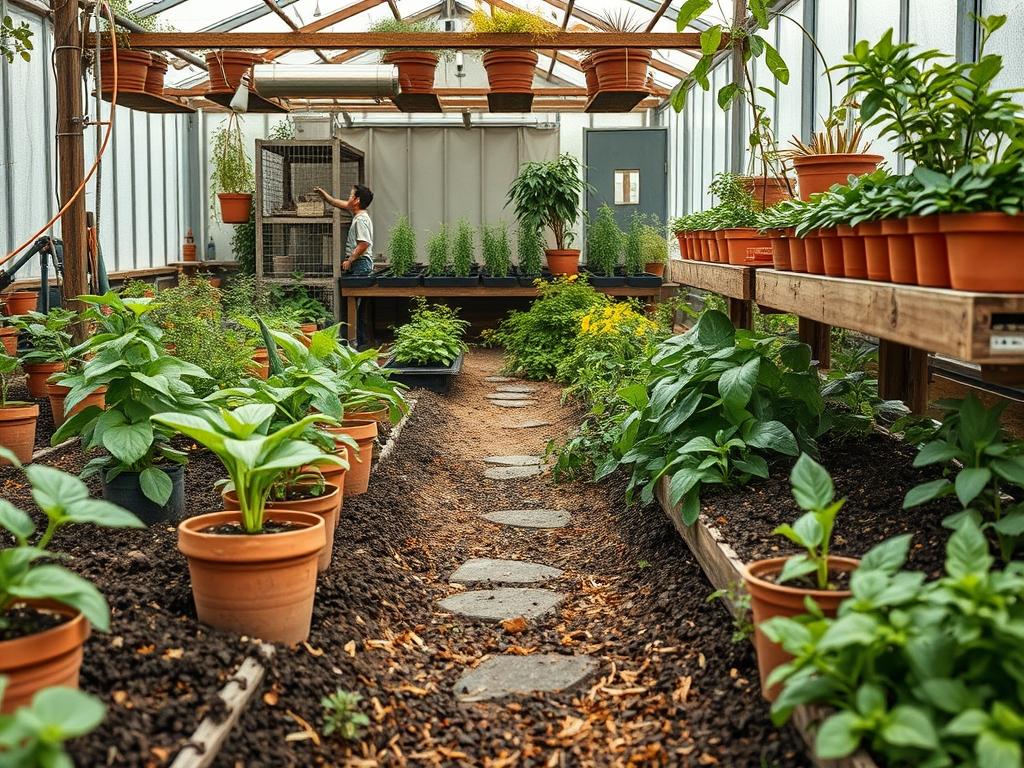
Effective landscape planning recognizes that Gardens are dynamic systems where elevation, wind patterns, and moisture levels dictate plant health. When integrating susceptible species like Knock Out Roses or Black Beauty Zucchini into a professional layout, one must consider the transition between hardscaping and softscaping. A well designed backyard should facilitate natural air movement. This involves calculating the distance between the building envelope and the planting beds to ensure that stagnant air pockets do not form against the exterior walls. By utilizing a combination of strategic Grading and architectural thinning, we can create an environment where moisture evaporates quickly from leaf surfaces, rendering the spores of Podosphaera xanthii and Erysiphe cichoracearum unable to germinate.
Landscape Design Principles
Symmetry and visual balance are the hallmarks of a professional outdoor space, but they must never come at the expense of plant health. When planning the layout for Roses, use focal points to draw the eye while ensuring that the physical placement allows for 360 degree air exposure. This often means avoiding the temptation to crowd plants into dense, monolithic hedges. Instead, use elevation layers to stagger heights. Taller shrubs should be placed in the background, with smaller perennials or vegetables like Zucchini in the foreground, provided there is at least 24 inches of clearance between different species.
Irrigation planning is equally critical in the prevention of powdery mildew. Overhead sprayers are a primary culprit in fungal spread, as they create the humid conditions these pathogens love. A professional grade system should utilize Drip Irrigation lines buried beneath 3 inches of Cedar Mulch. This keeps the foliage dry while delivering moisture directly to the root zone. Furthermore, walkways should be designed with permeable materials such as Decomposed Granite or Flagstone with wide joints. These surfaces reduce ambient heat radiation and allow for better soil gas exchange, which strengthens the plant’s natural immune response against fungal infections.
Plant and Material Selection
| Plant Type | Sun Exposure | Soil Needs | Water Demand | Growth Speed | Maintenance Level |
| :— | :— | :— | :— | :— | :— |
| Hybrid Tea Rose | Full Sun | Loamy, Well-Drained | Moderate | Fast | High |
| Dunja Zucchini | Full Sun | Organic-Rich | High | Rapid | Medium |
| Common Sage | Full Sun | Sandy, Dry | Low | Medium | Low |
| English Boxwood | Part Shade | Alkaline | Moderate | Slow | Medium |
| Peonies | Full Sun | Deep, Fertile | Moderate | Medium | Medium |
Implementation Strategy
Planning a backyard or commercial garden layout requires a meticulous focus on site preparation. Start with grading the land to a 2 percent slope away from the home foundation and planting beds. This ensures that excess rainwater does not pool around the base of your Roses, which can increase local humidity. Edging should be crisp, using Steel Edging or Tumbled Stone to create a clear boundary between turf and garden beds. This prevents the encroachment of grass, which often harbors fungal spores and restricts airflow at the base of the plants.
Once the layout is established, the application of curative measures can begin. To address powdery mildew directly, we recommend fifteen specific interventions that can be integrated into a professional maintenance schedule. First, a solution of Potassium Bicarbonate is often more effective than standard baking soda for commercial applications because it provides a boost of potassium while altering the leaf pH. Second, Neem Oil serves as a dual purpose fungicide and insecticide. Third, a biological fungicide containing Bacillus subtilis can be applied to colonize the leaf surface and crowd out the mildew. Fourth, a mixture of 40 percent Milk and 60 percent Water has been proven to use sun activated proteins to kill fungal spores.
Fifth, for extreme cases, Sulfur Dust or Liquid Sulfur can be applied, though it must be used with caution when temperatures exceed 85 degrees Fahrenheit. Sixth, Copper Fungicides are an industry standard for preventing the spread to new growth. Seventh, a simple Baking Soda and Non-Detergent Soap mixture (one tablespoon per gallon) creates an alkaline environment that spores cannot tolerate. Eighth, Horticultural Oil can be used to coat and suffocate the fungi. Ninth, Hydrogen Peroxide diluted to 1 percent kills fungi on contact. Tenth, Ethanol-based Mouthwash (diluted at 1 part to 3 parts water) can serve as an emergency antiseptic for foliage.
Eleventh, Garlic Oil sprays act as a natural deterrent. Twelfth, Compost Tea enriched with aerobic microbes can strengthen the plant’s phyllosphere. Thirteenth, a high pressure water spray early in the morning can physically knock spores off the leaves; the foliage then dries quickly in the Morning Sun. Fourteenth, Vinegar solutions (very dilute) can be used, though one must be careful not to burn the tissue. Fifteenth, and perhaps most importantly, Pruning Shears must be used to remove the bottom 12 inches of foliage on Rose bushes and the oldest, most crowded leaves on Zucchini.
Common Landscaping Failures
The most frequent mistake in residential landscaping is root overcrowding. When plants are spaced too closely to achieve an “instant” mature look, they compete for nutrients and restrict the wind tunnels necessary for foliage drying. This is particularly detrimental to Zucchini, which produces large, umbrella like leaves that trap moisture underneath. Another common failure is the use of non-permeable landscape fabric under Wood Chips. This can lead to soil compaction and poor drainage, causing the roots to sit in anaerobic conditions that stress the plant and make it more susceptible to powdery mildew.
Irrigation inefficiency also plays a major role. Setting timers for late evening watering ensures that leaf surfaces stay wet for ten to twelve hours, providing the perfect window for fungal germination. A professional landscape consultant will always recommend watering between 4:00 AM and 8:00 AM. Additionally, failure to clean Pruning Tools with Isopropyl Alcohol between plants can lead to the mechanical spread of the disease across the entire property. Finally, ignoring soil health is a critical error; over-fertilizing with high nitrogen products leads to a flush of soft, succulent growth that is incredibly vulnerable to mildew attack.
Seasonal Maintenance
Spring is the season for prophylaxis. Before the first leaves emerge, apply a Dormant Oil spray to Roses to kill overwintering spores on the canes. As the temperature rises, ensure that your Mulch Depth is maintained at 2 to 3 inches to suppress soil borne pathogens. In the Summer, maintenance shifts to observation and thinning. If you notice the first white spots on the lower leaves of your Zucchini, remove them immediately and dispose of them in the trash, never the compost pile.
Autumn requires a thorough cleanup. All fallen leaves and dead garden debris must be raked away. Because powdery mildew spores can survive the winter on plant tissue, cutting Rose bushes back and removing the old mulch can significantly reduce the following year’s infection rate. During the Winter, focus on structural pruning. Open up the centers of your shrubs into a vase shape to ensure that when the growth returns, air can flow freely through the heart of the plant.
Professional Landscaping FAQ
How can I identify powdery mildew before it spreads?
Look for small, circular white spots on the undersides of leaves or on young stems. By the time the top of the leaf looks dusty, the infection is well established. Early detection allows for milder, organic treatments like Neem Oil.
Does mulch type affect the prevalence of fungal diseases?
Yes. Cedar and Cypress Mulch contain natural oils that resist rot and fungal growth. Avoid using “free” wood chips from unknown sources, as they may contain pathogens or pests that can migrate to your Roses and Zucchini.
Can I use a single cure for both vegetables and flowers?
Most treatments, such as Potassium Bicarbonate or Milk Sprays, are safe for both. However, always check the label on commercial Copper Fungicides to ensure they are rated for edible crops like Zucchini before application.
Why does my mildew return even after treatment?
The spores are airborne and pervasive. If you treat the plant but do not fix the underlying design flaws; such as poor spacing or improper drainage; the environment remains a breeding ground for reinfection from neighboring properties.
Are there mildew resistant varieties for high humidity areas?
Absolutely. For roses, look for Earth-Kind or Knock Out varieties. For vegetables, choose Zucchini cultivars like Dunja or Payload, which have been specifically bred for high resistance to powdery mildew in challenging climates.