
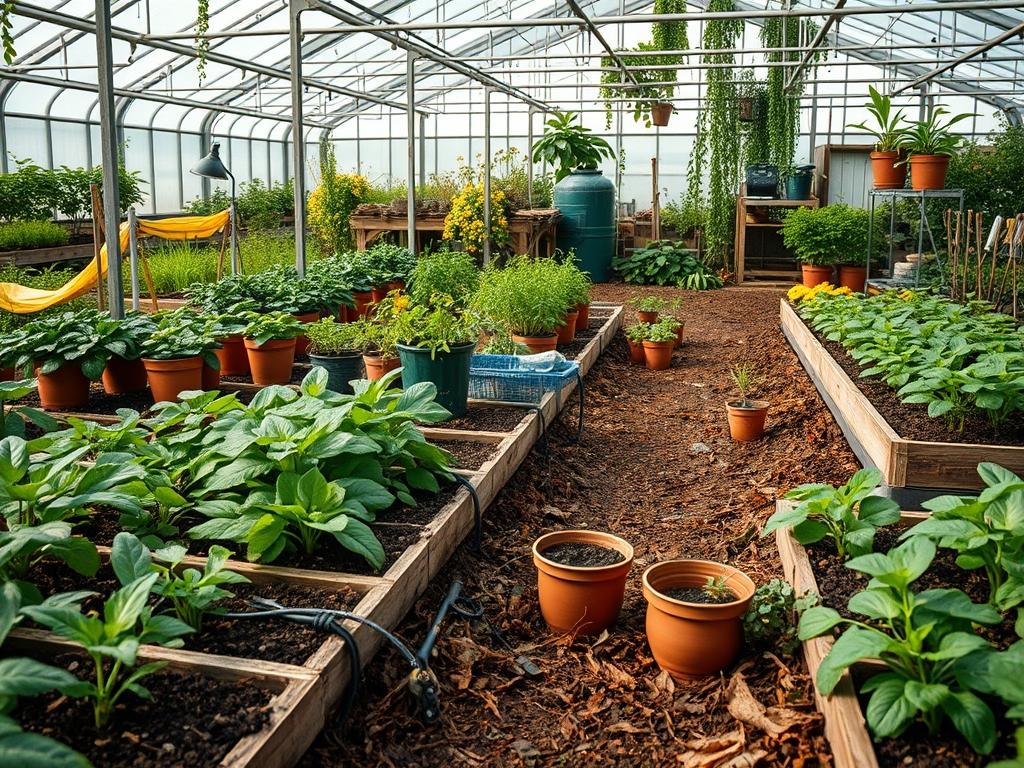
Humidity creates a paradoxical environment for the professional landscape architect. While it supports lush, tropical growth and vibrant foliage, it also serves as a perfect incubator for pathogens that can devastate an outdoor space in a matter of days. In the humid regions of the Southeast or the damp coastal corridors of the Pacific Northwest, the aesthetic integrity of a garden depends heavily on proactive management. Downy mildew, a water mold that thrives on moisture and cool nights, is a primary adversary in these environments. It does not just blemish the leaves; it weakens the structural health of the plant, reduces the overall curb appeal of the property, and diminishes the functionality of the outdoor living space by creating an aura of decay rather than vitality. Consistent success in these climates requires a shift from reactive chemical treatments toward a holistic, design-based approach focused on environmental control.
Managing a landscape in high-humidity zones requires a deep understanding of how air moves across a property and how water interacts with the soil surface. When we design for a client, we are not just placing plants for visual impact; we are managing a microclimate. Every Retaining Wall, every Stone Walkway, and every Evergreen Hedge acts as a baffle that can either facilitate or obstruct essential airflow. To achieve effective Downy mildew prevention, the design must prioritize the rapid drying of foliage after rain or morning dew. This is not a matter of luck but a result of deliberate topography and spacing. By integrating horticultural science with architectural precision, we can create resilient landscapes that maintain their beauty through the most oppressive summer months.
Landscape Design Principles
Successful prevention begins with the fundamental layout of the garden. Symmetry is often used in formal landscapes to create a sense of order, but in humid climates, it must be balanced with the need for ventilation. When we design focal points, such as a large Specimen Oak or an ornate Water Feature, we must consider the wind shadows they create. Placing dense plantings in a tight, symmetrical box can trap moisture at the ground level, leading to stagnant pockets where fungal spores settle and proliferate. Instead, we use elevation layers to encourage vertical air movement. By planting taller, airy species like River Birch in the background and layering down to lower-profile groundcovers, we create a stepped effect that allows breezes to penetrate the entire garden bed.
Irrigation planning is perhaps the most critical technical component of design-led Downy mildew prevention. Most homeowners rely on traditional spray heads that drench the foliage during each cycle. From a consulting perspective, this is a failure of logic. We recommend the installation of Drip Irrigation systems that deliver water directly to the root zone via Polyethylene Tubing. This keeps the leaves dry, which is the single most effective way to prevent the germination of mildew spores. Furthermore, walkways and hardscaping should be designed with a slight pitch, typically 0.25 inches per foot, to ensure that water does not pool near the base of susceptible ornamentals. Using permeable materials like Crushed Granite or Decomposed Granite for paths can also help absorb excess moisture rather than reflecting it back into the canopy of nearby plants.
Plant and Material Selection
Selecting the right cultivars is the foundation of a low-maintenance, healthy landscape. In modern landscaping, we prioritize varieties that have been bred specifically for resistance to local pathogens.
| Plant Type | Sun Exposure | Soil Needs | Water Demand | Growth Speed | Maintenance Level |
| :— | :— | :— | :— | :— | :— |
| Viburnum Tinus | Full Sun to Part Shade | Well-drained Loam | Moderate | Medium | Low |
| Echinacea (Coneflower) | Full Sun | Sandy/Rocky | Low | Fast | Low |
| Panicle Hydrangea | Part Sun | Rich, Moist Soil | High | Fast | Moderate |
| Liriope Muscari | Shade to Sun | Adaptable | Low | Medium | Very Low |
| Boxwood (Resistant) | Part Sun | Neutral pH | Moderate | Slow | Moderate |
| Switchgrass | Full Sun | Diverse/Poor | Low | Fast | Low |
Implementation Strategy
The transition from a design on paper to a physical landscape requires careful attention to the site’s physical properties. The first step in any backyard layout is grading. We use a Transit Level to identify low spots where water might collect. In a humid climate, any area that holds standing water for more than two hours after a rain event is a hazard. We typically install French Drains or Dry Creek Beds composed of River Rock and Boulders to move water away from the primary planting zones. This technical step ensures that the overall humidity at the soil level remains manageable.
Once the grading is established, we focus on edging and mulch. Edging provides a crisp aesthetic boundary, but it also serves to prevent grass from encroaching into the beds and competing for nutrients. When applying Mulch, the depth is critical. We recommend a layer of Hardwood Mulch or Pine Bark between 2 inches and 3 inches deep. Anything thicker can trap too much moisture and suffocate the roots, while anything thinner fails to suppress weeds and cool the soil. It is vital to keep the Mulch at least 2 inches away from the stems of plants to prevent trunk rot and allow for air circulation at the crown. For spacing, we adhere strictly to the mature width of the plant. If a Rose of Sharon is rated for a 6 foot spread, we ensure the center of the hole is at least 3.5 feet away from any other structure. This prevents the overlapping of branches which is a primary driver of disease.
Common Landscaping Failures
The most frequent error we encounter is root overcrowding caused by the desire for an “instant” garden. Clients often want their backyard to look fully mature on the day of installation, leading them to plant shrubs far too close together. As these plants grow, their branches interlock, creating a dense, humid interior where the sun never reaches. This interior becomes a breeding ground for Downy mildew and other pathogens. Without sunlight to dry the inner leaves, the plant begins to thin from the inside out, eventually losing its structural integrity and aesthetic value.
Another common failure is soil compaction. In new construction, heavy machinery such as Skid Steer Loaders often packs the soil down to a concrete-like density. This destroys the macropores needed for water infiltration. When water sits on the surface, it increases the ambient humidity around the foliage. We solve this by using a Power Auger or Tiller to incorporate organic matter and Perlite or Coarse Sand into the soil before planting. Lastly, improper irrigation timing contributes significantly to disease. Running sprinklers in the late evening ensures that the foliage remains wet for twelve hours or more, providing the exact conditions needed for mildew to thrive. Irrigation should always occur in the early morning hours, between 4:00 AM and 8:00 AM, to allow the rising sun to dry the leaves quickly.
Seasonal Maintenance
Landscape management is an ongoing cycle that changes with the sun’s path. In the spring, the focus is on Pruning Shears and sanitation. We remove any dead or crossing branches to open up the canopy. This “thinning out” method is essential for Downy mildew prevention as it ensures that wind can pass through the center of the plant. We also apply a pre-emergent fertilizer to strengthen the plant’s natural immune system before the high-stress summer months arrive.
During the summer, the priority shifts to monitoring and precise watering. If a period of extreme humidity is forecasted, we might apply a preventative organic spray, such as Neem Oil or a copper-based fungicide, to particularly sensitive species like English Ivy or Impatiens. Autumn maintenance involves the thorough removal of fallen leaves and debris. Many pathogens overwinter in dead foliage, so using a Leaf Blower or rake to clear the beds is a vital sanitary step. Finally, in winter, we assess the structural health of the garden. This is the best time to move any plants that were struggling with poor drainage or insufficient light, ensuring the landscape is better positioned for success in the following year.
Professional Landscaping FAQ
How does mulch type affect Downy mildew?
Pine Bark or Cedar Mulch is preferred because they do not compact as easily as dyed shredded mulches. This allows for better gas exchange and prevents the soil surface from staying oversaturated, which reduces the moisture available to mildew spores.
Which irrigation system is best for prevention?
A Drip Irrigation system is the professional standard for prevention. By delivering water through Emitters at the base of the plant, the foliage remains dry, removing the liquid water necessary for Downy mildew spores to germinate and spread.
Can pruning really stop a fungal outbreak?
Yes, strategic pruning with Hand Pruners increases sunlight penetration and wind speed within the plant canopy. This facilitates rapid evaporation of moisture, making the environment inhospitable for the water-loving pathogens that cause mildew and leaf spot.
What is the ideal plant spacing for humid areas?
Plants should be spaced based on their mature diameter plus an additional 12 inches of buffer zone. This ensures that even at full growth, there is a clear channel for air to move between individual specimens, preventing moisture traps.
Is soil pH related to mildew susceptibility?
While pH doesn’t cause mildew, improper levels stress the plant. Use a Soil Test Kit to ensure a neutral pH. Healthy, nutrient-rich plants are naturally more resilient to infection than those struggling with nutrient uptake in poor soil.