
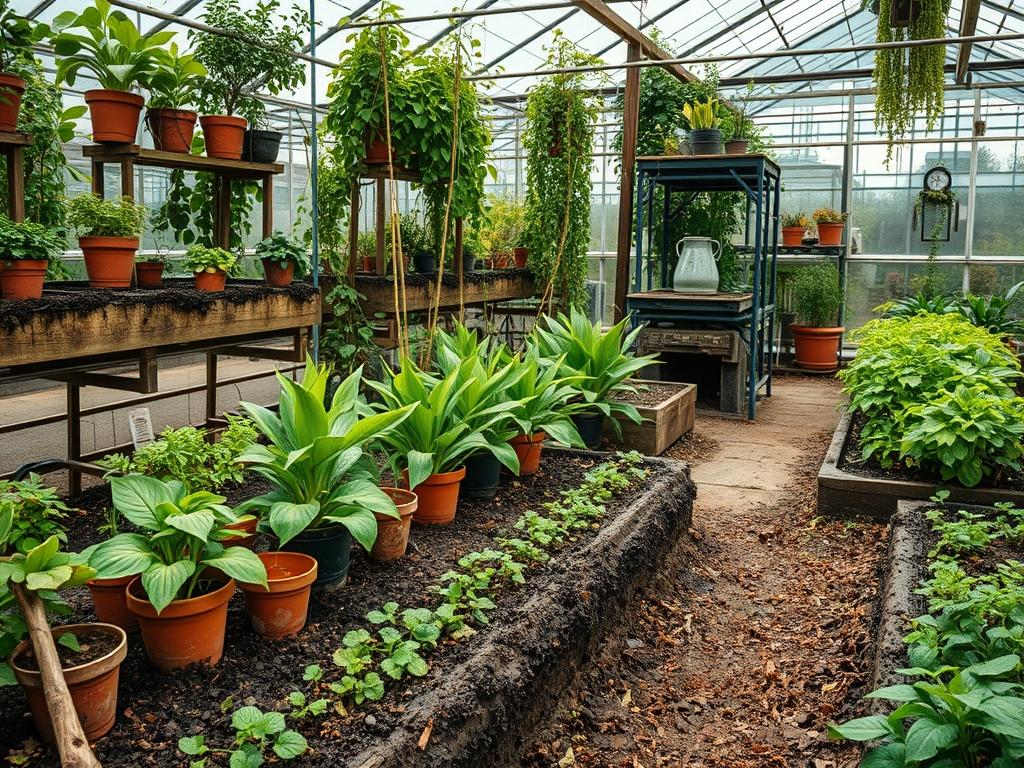
Landscape architects often encounter the challenge of balancing visual appeal with the rigorous demands of edible horticulture. When we integrate Garlic and Leeks into a high-end residential landscape, we are usually looking for the architectural verticality and silver-blue hues these species provide. However, the sudden appearance of garden rust, a fungal infection caused by Puccinia alli, can devastate the curb appeal of a carefully curated backyard. This pathogen manifests as bright orange or yellow pustules on the foliage, eventually leading to leaf senescence and reduced bulb size. Dealing with this requires a sophisticated understanding of microclimates, air circulation, and soil drainage. Any successful garden rust treatment begins with the realization that the site’s physical layout determines the severity of the outbreak. High humidity, low wind speeds, and dense planting schemes create the perfect incubation chamber for spores. To maintain the outdoor environment’s functionality, we must design spaces that prioritize plant health without sacrificing the clean lines and symmetry expected in modern landscape design.
Landscape Design Principles
Effective garden planning for Alliums starts with the principle of spatial rhythm and symmetry. When designing a potager or kitchen garden, placing Garlic in tidy, geometric rows can provide a sense of order. However, if those rows are too tight, you sacrifice air circulation. From an architectural perspective, we should treat the culinary garden as a series of elevation layers. The tallest Leeks act as mid-ground vertical elements, while shorter Shallots or Chives can serve as soft edging. To mitigate rust, irrigation planning must be precise. Overhead sprinklers are the enemy of an Allium bed; instead, we implement subsurface drip irrigation systems. This ensures the foliage remains dry, as moisture sitting on the leaf surface for more than four hours allows fungal spores to germinate.
Focal points in the garden should also be considered. If a cluster of Elephant Garlic serves as a visual anchor in a sunny corner, its health is paramount to the overall design. We use walkways, specifically those made of crushed granite or permeable pavers, to create a buffer between different plant varieties. This spacing serves a dual purpose. It provides a formal structure to the landscape and acts as a firebreak for pests and diseases. By using visual balance, we can intersperse non-host species, such as Marigolds or late-season Salvia, between the Allium groupings. This breaks up the monoculture, making it harder for rust to sweep through the entire site.
Plant and Material Selection
Selecting the right materials and varieties is the foundation of structural garden integrity. Different cultivars possess varying degrees of resistance to rust, and the physical medium they grow in must facilitate rapid drainage to prevent root stress, which often precedes fungal susceptibility.
| Plant Type | Sun Exposure | Soil Needs | Water Demand | Growth Speed | Maintenance Level |
| :— | :— | :— | :— | :— | :— |
| Hardneck Garlic | Full Sun | Rich, well-drained loam | Moderate | Slow | Medium |
| Elephant Leeks | Full Sun | Deep organic matter | High | Moderate | High |
| French Shallots | Full Sun | Sandy, loose soil | Moderate | Slow | Medium |
| Spring Onions | Full/Partial | Loamy compost | Moderate | Fast | Low |
| Chive Edges | Partial/Full | Average garden soil | Low | Fast | Low |
For the hardscaping around these plants, we often specify Cedar Edging or Corten Steel borders to contain the specialized soil mixes required. A high-quality Hardwood Mulch or Hulled Cocoa Shells can be applied to a depth of 2 inches to prevent soil-borne spores from splashing onto the leaves during rain events. We also look for disease-resistant cultivars when sourcing from wholesale nurseries, as starting with strong genetics is the most efficient garden rust treatment.
Implementation Strategy
The successful implementation of a rust-resistant garden layout requires meticulous site preparation. We begin with grading; the land must fall away from the planting beds at a minimum 2 percent slope to ensure that water does not pool near the root zones. If the natural topography is flat, we construct raised beds using retaining walls made of natural stone or heavy timber. These beds should be at least 12 inches high to facilitate superior drainage. Once the structure is in place, we focus on the soil profile. We incorporate Organic Compost and Coarse Sand to achieve a friable texture that allows for deep root penetration.
During the planting phase, spacing is the most critical variable. For Garlic, we recommend a distance of at least 6 inches between individual cloves and 12 inches between rows. This spacing allows for adequate “air drainage,” a term used to describe the movement of air through the canopy which evaporates dew and rain quickly. When we apply mulch, we are careful not to pile it against the neck of the plants, as this can encourage moisture retention and rot. For any hardscaping components, like gravel paths, we ensure they are wide enough for a small Garden Cart or Wheelbarrow, allowing for easy maintenance access without compacting the soil near the plants. Soil compaction is a major stressor that makes Leeks more vulnerable to disease.
Common Landscaping Failures
One of the most frequent mistakes in outdoor environment consulting is the neglect of air movement. High-walled gardens or dense hedges can create stagnant pockets where humidity remains high throughout the day. This creates a greenhouse effect for Puccinia alli. Another failure is the improper use of fertilizers. Excessive Nitrogen application leads to soft, succulent growth that is much easier for fungal hyphae to penetrate. A balanced approach using a 10-10-10 Fertilizer or a slow-release organic option is much safer for the long-term structural integrity of the plant.
Irrigation inefficiencies also rank high among common failures. Many homeowners use automated spray heads that activate at dawn, ensuring the plants stay wet during the coolest part of the day. This is an invitation for rust. Furthermore, root overcrowding occurs when gardeners try to maximize yield in a small footprint. In a high-end landscape, it is better to have fewer, healthier plants than an overgrown, diseased mass. Finally, poor sanitation, such as leaving infected leaf litter from the previous season on the ground, ensures the rust returns year after year.
Seasonal Maintenance
Maintenance is the bridge between a design on paper and a thriving outdoor space. In the Spring, the focus is on growth and prevention. We apply a light dressing of Blood Meal and monitor the weather. If a period of cool, damp weather is forecasted, a preventative spray of Sulfur or Neem Oil may be applied using a high-pressure Backpack Sprayer. This creates a protective barrier on the leaf surface.
During the Summer, as temperatures rise, rust spores can become less active, but vigilance is still required. Any leaves showing signs of infection should be removed immediately using Pruning Shears and disposed of in the trash, never the compost pile. This prevents the spores from overwintering. By Autumn, many Alliums are ready for harvest. This is the time for a thorough garden cleanup. We remove all crop residues and consider planting a cover crop like Winter Rye to protect the soil structure. In the Winter, we focus on the soil. We may test the pH to ensure it remains between 6.0 and 7.0, the ideal range for Allium health. We also take this time to inspect and repair any Irrigation Lines or Retaining Walls that may have shifted during the growing season.
Professional Landscaping FAQ
How can I identify garden rust early?
Look for small, white or light green flecks on the leaf surface. These soon erupt into bright orange or dusty yellow pustules. If you rub the leaf and a rusty powder stays on your fingers, you have an active infection.
Is there a permanent cure for garden rust?
There is no permanent “cure,” but it can be managed. Once rust appears, you must focus on slowing the spread through cultural practices and organic fungicides. Proper spacing and crop rotation are the most effective long-term strategies for any landscape.
Will rust on my garlic spread to my roses or lawn?
No. Most rust fungi are host-specific. Puccinia alli specifically targets the Allium family, including onions, garlic, leeks, and chives. It will not migrate to your turf grass, ornamental shrubs, or floral displays, though those plants may have their own specific rusts.
What is the best organic treatment for an active outbreak?
A potassium bicarbonate spray or a copper-based fungicide can be effective for managing active spores. Always apply these treatments in the late evening to avoid burning the foliage in the midday sun and to ensure maximum contact time with the fungus.
Can I still eat garlic or leeks that have rust?
Yes. Rust is a foliar disease and does not typically affect the edible bulb or the white shank of the leek unless the infection is so severe that it kills the plant early. Simply peel away the outer affected layers before cooking.