
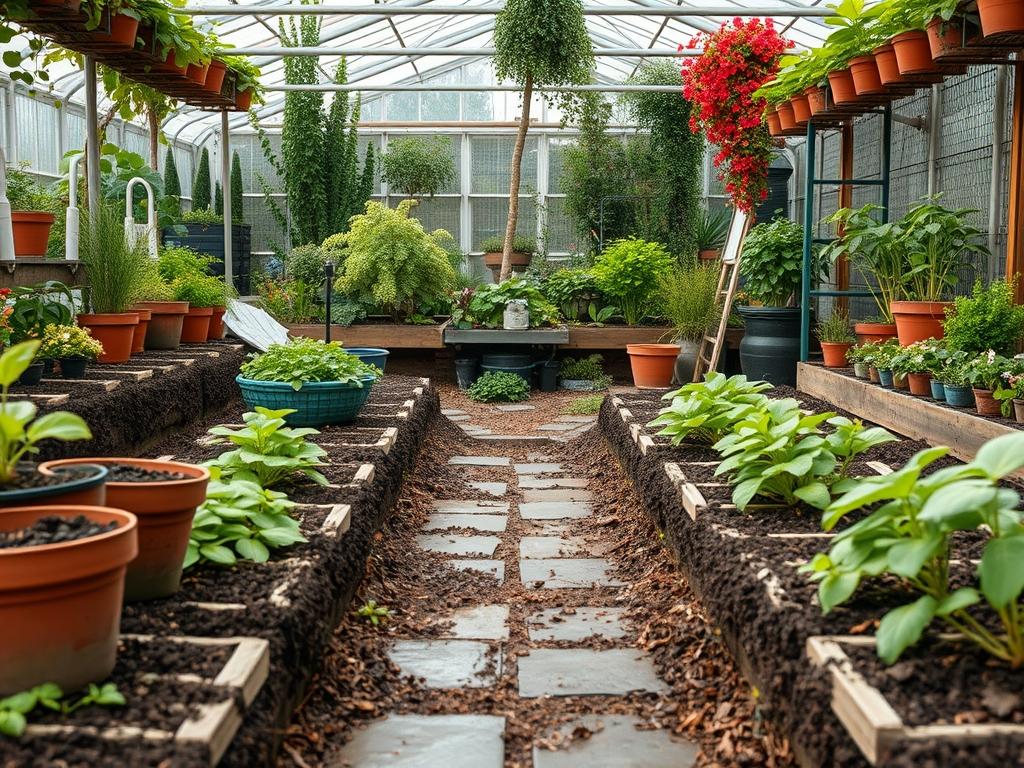
The saturation of a landscape represents one of the most significant challenges for a property owner, often manifesting as a silent, subsurface crisis that devalues curb appeal and kills high-value specimens. When water accumulates in the root zone without an exit strategy, oxygen is forced out of the soil pores, creating an anaerobic environment where pathogens thrive. This condition leads directly to the decay of the vascular system in trees and shrubs, a process known as root rot. For any landscape architect, a successful project begins not with the aesthetic selection of flora, but with a rigorous assessment of the site’s hydraulic profile. Addressing these issues through a structured Root Rot Recovery plan ensures that the outdoor living space remains functional, beautiful, and structurally sound for decades.
Effective site management requires a deep understanding of how water moves across and through different soil horizons. In many urban environments, soil compaction from construction and the prevalence of impermeable surfaces like concrete patios increase the risk of localized flooding. If a garden lacks the proper pitch or if the subsurface composition is heavy clay, the property becomes a catchment basin for runoff. A master-planned environment must prioritize the removal of excess moisture while maintaining enough hydration to support life. This intersection of civil engineering and horticulture is where professional landscaping thrives, transforming a soggy, unusable backyard into a resilient ecosystem that can withstand seasonal deluges without sacrificing plant health.
Landscape Design Principles
A professional landscape design must balance aesthetic goals like symmetry and focal points with the mechanical requirements of the land. When planning for Root Rot Recovery, the first principle is the management of elevation. By creating tiered retaining walls or raised plant beds, an architect can manually lift root systems out of the saturation zone. These elevation layers serve a dual purpose: they provide visual depth and interest while ensuring that gravity pulls moisture away from the sensitive crown of the plant. A garden should never be perfectly flat. A minimum 2 percent grade is typically required to drive surface water toward a designated drainage area or a municipal storm system.
Visual balance and symmetry are equally important when correcting drainage issues. If a French drain or a dry creek bed is installed to manage runoff, it should not look like a utility trench. By using varying sizes of river rock, cobblestone, and boulders, the drainage feature becomes a focal point that adds texture to the environment. Integrating these functional elements with walkways and patios requires careful planning. For example, using permeable pavers for a walkway allows water to infiltrate the ground naturally rather than sheeting off toward the lawn, reducing the burden on the soil’s absorption capacity. Every design choice must contemplate how the water will behave during a one hundred year storm event.
Plant and Material Selection
Selecting the right biological components is critical when rehabilitating an area prone to moisture stress. The goal is to choose species that can handle occasional “wet feet” while also being capable of thriving once the drainage improvements take effect. The following table outlines several hardy options for a professional landscape.
| Plant Type | Sun Exposure | Soil Needs | Water Demand | Growth Speed | Maintenance Level |
| :— | :— | :— | :— | :— | :— |
| Bald Cypress | Full Sun | Acidic, Moist | High | Fast | Low |
| Siberian Iris | Partial Shade | Loamy, Rich | Medium-High | Moderate | Low |
| River Birch | Full Sun | Well-drained | High | Fast | Moderate |
| Red Twig Dogwood | Full Sun/Part Shade | Adaptable | Medium-High | Moderate | Medium |
| Sweetbay Magnolia | Full Sun/Part Shade | Moist, Acidic | High | Moderate | Low |
| Canna Lily | Full Sun | Rich, Organic | High | Fast | High |
In addition to plant life, the materials used in the bedding are vital. Avoid using heavy, non-porous clays for backfilling. Instead, utilize a mix of expanded shale, coarse sand, and organic compost to improve soil structure. This combination increases the macropore space in the soil, allowing for better gas exchange and faster drainage, which is the cornerstone of any Root Rot Recovery strategy.
Implementation Strategy
The successful implementation of a landscape plan begins with a thorough site survey. Using a transit level or laser level, the designer must map the high and low points of the property. Once the topography is understood, the first step is grading. The soil must be reshaped to move water away from the foundation of the home and toward a collection point, such as a rain garden or a bioswale. During this process, it is essential to protect existing healthy trees from further compaction by marking out critical root zones where heavy machinery cannot travel.
After the rough grade is established, the installation of subsurface drainage begins. Perforated PVC pipe wrapped in geotextile fabric is the industry standard for preventing silt from clogging the system. These pipes should be buried in a trench filled with 1-inch clean crushed stone. Once the “hard” infrastructure is in place, the focus shifts to the planting beds. Every bed should be edged with 4-inch deep steel edging or stone to prevent grass encroachment and to keep the specialized soil mixes contained. A layer of hardwood mulch applied to a depth of 3 inches will help regulate soil temperature and prevent surface crusting, though it must be kept away from the direct contact of plant stems to avoid stem rot.
Common Landscaping Failures
The most frequent mistake in landscape management is the “bathtub effect.” This occurs when a large hole is dug in heavy clay soil and filled with high-quality, porous potting mix. During a rain event, the hole acts as a reservoir, trapping water against the roots because the surrounding clay is too dense to allow the water to escape. This is a primary driver for the need for Root Rot Recovery. To prevent this, architects must ensure that the entire planting area is amended or that drainage tiles are installed at the bottom of the planting holes to provide an exit path for the water.
Irrigation inefficiencies also contribute significantly to plant death. Many homeowners set their irrigation timers to run daily regardless of weather conditions. Over-watering creates many of the same symptoms as under-watering, leading people to add even more water to an already drowning plant. Soil compaction caused by heavy foot traffic or lawn equipment is another hidden failure. Compaction destroys the soil structure, making it impossible for roots to “breathe” regardless of how much drainage is installed. Finally, improper mulch application, often called volcano mulching, where mulch is piled high against the trunk of a tree, traps moisture against the bark and invites fungal infections.
Seasonal Maintenance
Landscape management is a year-round commitment that changes with the seasons. In the Spring, the focus is on inspection and clearing. Check all drain outlets, catch basins, and pop-up emitters for debris that may have accumulated over the winter. This is also the time to apply a pre-emergent herbicide and refresh mulch layers to prepare for the rain. As we move into Summer, monitoring the moisture levels with a soil moisture meter is crucial. Even in poorly draining yards, a heatwave can dry out the surface while the deep roots remain wet. Adjust irrigation schedules based on actual soil conditions rather than a calendar.
Autumn marks the period for clearing fallen leaves, which can carpet the ground and prevent evaporation, leading to increased moisture retention in the soil. It is an ideal time for core aeration, which uses a specialized tool to remove small plugs of soil, relieving compaction and allowing oxygen to reach the roots before the dormant season. During Winter, maintenance involves protecting the soil from heavy loads. Do not drive vehicles or heavy equipment over the lawn when the ground is saturated or frozen, as this can cause permanent damage to the soil structure. Ensure that any snow removal doesn’t involve piling salt-heavy snow onto sensitive garden beds, as salt can further damage the soil chemistry.
Professional Landscaping FAQ
How can I tell if my tree has root rot?
Look for yellowing leaves, stunted growth, and canopy dieback. If you dig near the base, the roots will appear slimy, black, and emit a foul, sour odor. Healthy roots should be firm and light in color.
What is the best way to fix a swampy lawn?
The most effective solution is installing a French drain or a dry creek bed. These systems redirect surface and subsurface water toward lower elevations or drainage basins, preventing the water from sitting in the root zone.
Can plants recover from root rot once infected?
Recovery is possible if the underlying drainage issue is fixed immediately. You must prune away dead, mushy roots, treat the remaining system with a fungicide, and replant in well-aerated soil. However, severe cases are often fatal.
How deep should my drainage trenches be?
Standard residential drainage trenches are typically 12 to 18 inches deep. They must be sloped at a minimum of 1 inch of fall for every 10 feet of length to ensure water flows consistently toward the exit.
Why is native plant selection important for drainage?
Native plants have evolved to handle local climate extremes, including seasonal flooding. Their deep root systems are often more efficient at breaking up compacted soil and absorbing excess water compared to non-native ornamental species.