
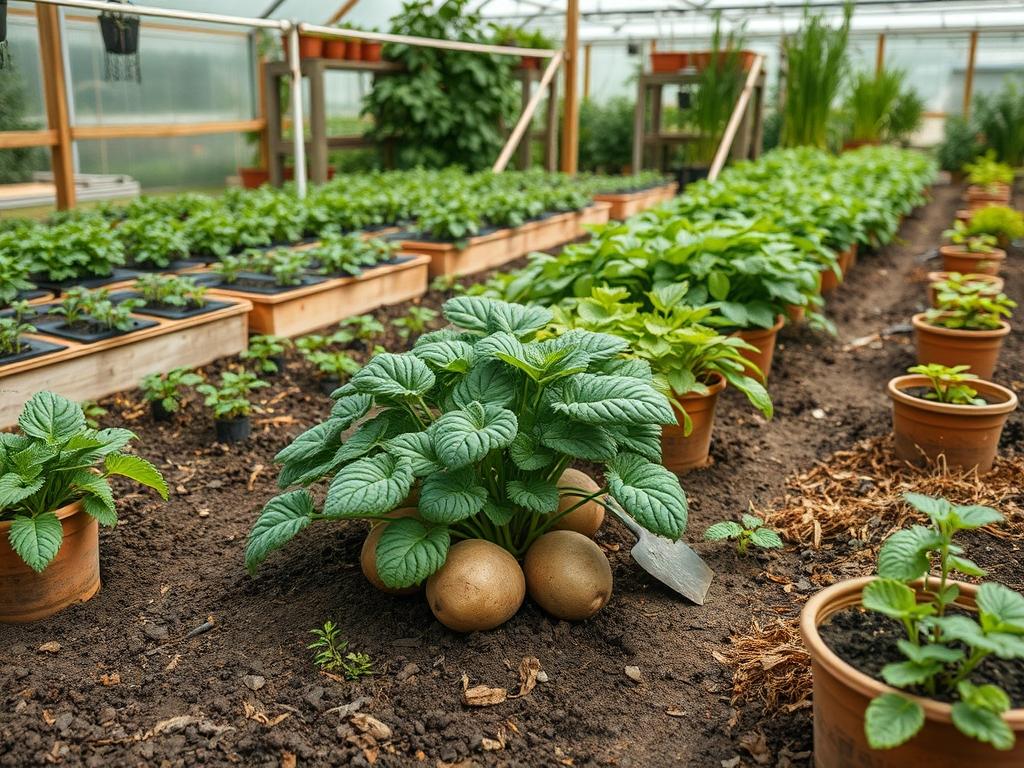
The integration of edible crops into a high-end residential landscape requires a delicate balance between aesthetic beauty and horticultural vigilance. When a landscape architect designs a home garden, the priority often rests on structural symmetry and year-round visual interest; however, the sudden onset of plant pathology can disrupt even the most meticulously planned environment. One of the most devastating challenges in an edible landscape is the presence of late blight. This pathogen, known scientifically as Phytophthora infestans, does not merely affect the yield of a single crop. It fundamentally alters the curb appeal and outdoor functionality of a property. A garden designed for lush, green focal points can quickly become a site of necrotic decay if the property owner is not skilled in identifying potato blight at its earliest inception. Integrating potatoes into a landscape requires a deep understanding of site topography and humidity management to prevent the rapid spread of spores that can travel for miles on a humid breeze.
Landscape Design Principles
A successful landscape design incorporating Solanum tuberosum must prioritize airflow and light penetration. Symmetry in a formal garden often leads to high-density planting, which creates stagnant air pockets; these pockets are the primary breeding grounds for fungal pathogens. To maintain visual balance while protecting plant health, designers should utilize elevation layers. By placing potato crops on slightly raised terraces or within 12-inch high masonry planters, you ensure that the foliage remains above the heaviest morning mists. This elevation also assists in subsurface drainage, moving excess moisture away from the root zone and reducing the humidity levels within the canopy.
Focal points should be constructed using a mix of ornamental and edible species to provide a buffer against disease. If a single row of potatoes is placed at the center of a sightline, a blight outbreak will create a glaring void in the landscape. Instead, utilize a layered approach where Lavandula or Rosmarinus officinalis provides a permanent green structure, with potatoes tucked into segments that allow for easy inspection and removal if necessary. Walkways should be wide enough, at least 36 inches, to prevent gardeners from brushing against wet foliage. This simple planning step significantly reduces the mechanical transfer of spores from infected plants to healthy ones.
Irrigation planning is another pillar of professional landscape design that impacts blight management. Overhead sprinklers are a major failure point in garden aesthetics and health. A professional-grade system should utilize low-flow drip emitters or soaker hoses buried beneath a layer of organic mulch. This keeps the leaves dry, which is the single most effective way to prevent the germination of blight spores. By controlling the delivery of water to the soil level only, the designer ensures the landscape remains vibrant without creating the damp leaf surfaces that pathogens require to thrive.
Plant and Material Selection
| Plant Type | Sun Exposure | Soil Needs | Water Demand | Growth Speed | Maintenance Level |
| :— | :— | :— | :— | :— | :— |
| Solanum tuberosum | Full Sun | Loose, Acidic | Moderate | Fast | High |
| Rosmarinus officinalis | Full Sun | Well-drained | Low | Moderate | Low |
| Lavandula angustifolia | Full Sun | Gritty, Alkaline | Low | Moderate | Medium |
| Alliums | Full to Part Sun | Rich Loam | Moderate | Moderate | Low |
| Buxus sempervirens | Full to Part Shade | Moist, Loamy | Moderate | Slow | Medium |
Implementation Strategy
The execution of a blight-resistant landscape begins with rigorous site preparation and grading. To avoid the pooling of water near the base of the plants, the site must be graded at a 2 percent slope away from the primary garden beds. If the natural topography is flat, a series of French drains or gravel-filled trenches should be installed to manage runoff. Once the drainage is secured, the garden layout is marked using landscape stakes and masonry line to ensure clean, architectural edges.
Edging materials, such as weathered steel or tumbled stone, should be installed to a depth of at least 6 inches to prevent the encroachment of invasive turf grasses which can harbor pests. When planting, each potato seed piece should be spaced 12 inches apart within the row, with rows separated by at least 24 inches. This spacing is not merely for growth; it is a strategic design choice to maximize UV exposure to the lower stems of the plant. After planting, a 3-inch layer of clean, weed-free straw or shredded bark mulch is applied. This layer serves as a physical barrier, preventing soil-borne pathogens from splashing onto the foliage during heavy rain events.
Hardscaping elements, such as gravel paths made of crushed granite or pea stone, provide a clean surface for the gardener to move through the space. These materials do not harbor moisture like grass or bark paths do, further lowering the ambient humidity around the crop. During the growing season, identifying potato blight involves inspecting the undersides of leaves for a white, fuzzy mold and looking for dark, water-soaked lesions on the stems. If these signs appear, the affected plants must be removed immediately using bypass pruners disinfected with a 10 percent bleach solution.
Common Landscaping Failures
The most frequent error in residential edible landscaping is improper drainage leadings to soil compaction. When soil is compacted, water sits in the pore spaces, depriving roots of oxygen and creating a high-stress environment that leaves plants vulnerable to infection. Furthermore, many homeowners ignore the importance of crop rotation within their landscape design. Planting potatoes in the same decorative stone planter year after year allows pathogens to build up in the soil, making identifying potato blight an annual necessity rather than a rare occurrence.
Root overcrowding is another common failure. In an attempt to achieve an “instant” lush garden look, plants are often placed too close together. This lack of spacing prevents the sun from drying the dew on the lower leaves, creating a microclimate that facilitates fungal growth. Finally, irrigation inefficiencies, such as timing watering cycles for the evening, are catastrophic. Professional landscape consultants recommend watering only in the early morning hours, around 5:00 AM, so that any accidental foliage moisture evaporates quickly once the sun rises.
Seasonal Maintenance
Spring maintenance involves the thorough cleaning of all garden trowels, shovels, and tilling equipment. Any volunteer potato plants appearing from the previous year must be removed, as these are primary sources for blight overwintering. Soil testing should be conducted to ensure a slightly acidic pH of 5.5 to 6.5, which optimizes plant vigor.
Summer is the critical period for monitoring and identifying potato blight. After every significant rain event or period of high humidity, the gardener should walk the rows. Look for small, pale green spots on the leaves that quickly turn into large, dark brown or black blotches. These blotches often have a yellow halo. If the weather is consistently wet, a preventative application of copper-based fungicide may be necessary to protect the aesthetic integrity of the garden beds.
In autumn, the landscape must be sanitized. All potato vines and fallen debris should be removed from the site entirely. Do not compost these materials, as home composting systems rarely reach the temperatures required to kill blight spores. Instead, bag and dispose of the waste. Winter is the time for structural adjustments, such as repairing retaining walls or refreshing gravel paths to ensure the site remains ready for the following year’s growth.
Professional Landscaping FAQ
How can I tell if a spot is blight or just a burn?
Blight spots appear water-soaked and expand rapidly, often showing a white fungal growth on the underside in humid weather. Heat burn is typically dry, brittle, and confined to leaf edges without spreading to the stems or nearby plants.
Does mulch really help prevent disease in a garden?
Yes. A 3-inch layer of mulch acts as a splash guard. It prevents soil-borne fungal spores from reaching the foliage during rain. It also regulates soil temperature and moisture, reducing the physiological stress that makes plants susceptible to pathogens.
What is the best way to dispose of blight-infected plants?
Remove the entire plant, including the tubers, and place them in sealed plastic bags for landfill disposal. Never compost infected material. Sanitize all tools used in the removal process with an alcohol or bleach solution to prevent further cross-contamination.
Can I still eat potatoes from a blighted plant?
If the tubers do not show signs of rot, such as reddish-brown discoloration under the skin or firm, sunken pits, they are safe for immediate luck. They will not store well, however, and should be consumed shortly after harvest.
Which irrigation method is best for blight prevention?
Drip irrigation is the gold standard for landscape health. By delivering water directly to the soil via half-inch tubing and emitters, you keep the foliage dry. This eliminates the moisture film required for blight spores to germinate and spread.