
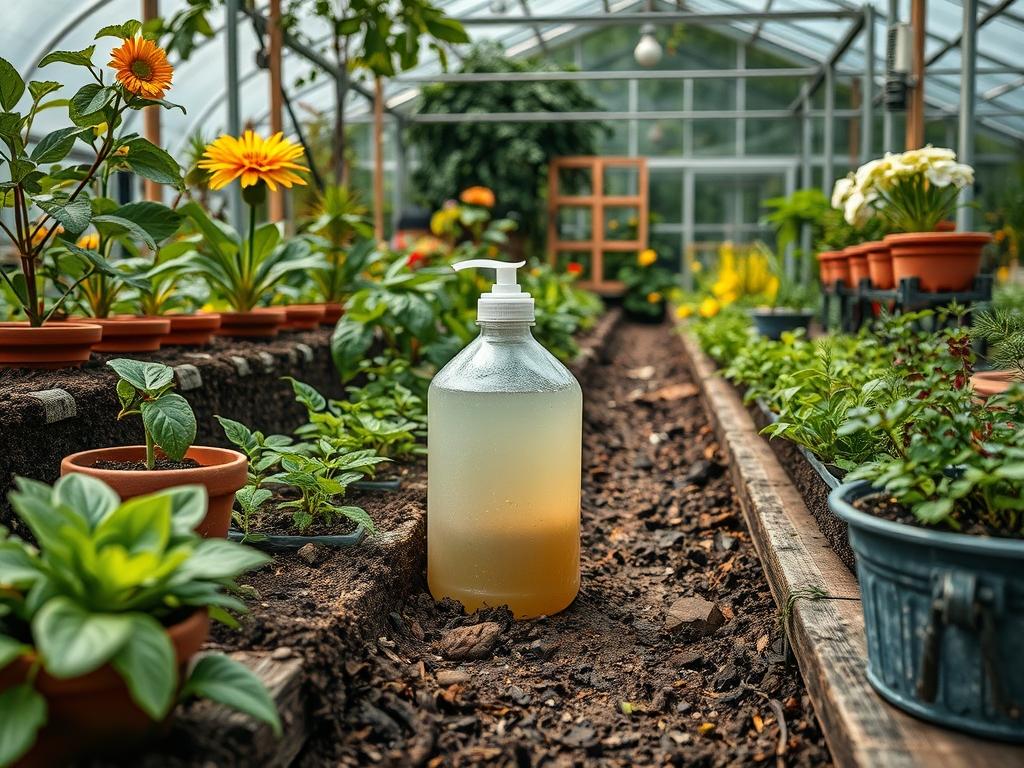
Maintaining a curated landscape requires more than an eye for aesthetics; it demands a rigorous understanding of the biological stressors that can undermine a multi thousand dollar investment. Professional landscape architects view the outdoor environment as a living system where curb appeal and plant health are inextricably linked. When soft bodied insects like aphids, spider mites, or whiteflies invade a meticulously planned garden, the visual symmetry and structural integrity of the foliage suffer. Addressing these infestations without introducing harsh synthetic chemicals that might disrupt the local ecosystem is a priority for modern consultants. This is where the application of Homemade Insecticidal Soap serves as a vital bridge between high end design and sustainable maintenance. By integrating non toxic pest management into the initial planning phases, homeowners can preserve the vibrancy of their Boxwood hedges and Japanese Maples while ensuring the outdoor space remains a safe, functional environment for guests and pets.
The challenge of modern landscaping involves balancing regional climate pressures with the desire for a lush, evergreen appearance. High humidity or sudden temperature shifts often trigger pest outbreaks that can decimate a garden’s focal points within a single season. A professional approach treats the garden as a series of microclimates, where airflow, light penetration, and soil health dictate the longevity of the design. Utilizing a simple yet effective solution like Homemade Insecticidal Soap allows for targeted intervention, protecting the investment without the risk of long term soil contamination or the destruction of beneficial predatory insects like ladybugs.
Landscape Design Principles
A successful landscape relies on a foundation of structural balance and visual hierarchy. Symmetry is often used to guide the eye toward a front entrance or a primary outdoor living area. By using paired plantings of Emerald Green Arborvitae, designers create a sense of formal permanence. However, symmetry is easily broken if one side of the layout becomes infested or stunted. Therefore, planning for maintenance is just as important as the initial planting.
Focal points, such as a large Multi-trunk Heritage Birch or a custom Flagstone water feature, command attention and should be surrounded by elevation layers that provide depth. These layers typically transition from low growing groundcovers to mid sized shrubs and finally to the canopy. Proper elevation planning ensures that every plant receives adequate sunlight, which is a natural deterrent to many pests that thrive in stagnant, shaded areas.
Irrigation planning must be precise to avoid both drought stress and waterlogging. A Drip Irrigation System is preferred for modern designs because it delivers moisture directly to the root zone, keeping the foliage dry and reducing the risk of fungal diseases. Furthermore, the design of walkways and hardscaping must account for the “flow” of the property. Using Permeable Pavers or Crushed Granite paths allows for natural drainage while defining the transition between different garden rooms. When the physical structure of the landscape is healthy and well ventilated, the periodic use of Homemade Insecticidal Soap becomes a manageable touch up rather than a desperate rescue mission.
Plant and Material Selection
Selecting the right specimens involves matching the biological needs of the plant with the specific conditions of the site. A plant thriving in its ideal environment is naturally more resilient to pests.
| Plant Type | Sun Exposure | Soil Needs | Water Demand | Growth Speed | Maintenance Level |
| :— | :— | :— | :— | :— | :— |
| Boxwood Shrub | Full Sun to Part Shade | Well drained, neutral pH | Moderate | Slow | High (Pruning) |
| Lavender | Full Sun | Sandy, alkaline | Low | Moderate | Low |
| Hostas | Full Shade to Part Shade | Rich, organic matter | High | Moderate | Medium |
| Switchgrass | Full Sun | Adaptable, moist | Low to Moderate | Fast | Low |
| Japanese Maple | Part Shade | Slightly acidic, loamy | Moderate | Slow | Medium |
| Coneflower | Full Sun | Lean to average soil | Low | Fast | Low |
For the structural elements, use Galvanized Steel Edging to create clean lines between the turf and planting beds. For the protective layer, a 3 inch application of Double Shredded Hardwood Mulch is standard to suppress weeds and retain moisture. When choosing tools for maintenance, a high quality Pressure Sprayer with a 3 gallon capacity is essential for applying Homemade Insecticidal Soap evenly across large areas of foliage.
Implementation Strategy
The transition from a design on paper to a physical landscape requires a systematic approach. Begin with grading the site. Ensure a 2 percent slope away from all residential structures to prevent basement flooding and soil saturation. Once the grade is established, map out the primary walkways and retaining walls. Stone Retaining Walls should include Perforated Drain Pipe and 3/4 inch Clean Gravel backfill to manage hydrostatic pressure.
After the hardscaping is installed, focus on the soil. Most residential soil is compacted from construction. Use a Power Tiller or Broadfork to incorporate 2 inches of Leaf Compost into the top 6 inches of the native soil. This improves the Cation Exchange Capacity, allowing plants to uptake nutrients more efficiently.
When positioning plants, follow the spacing requirements on the nursery tag precisely. It is a common mistake to plant too densely for immediate “fullness,” which leads to overcrowding and poor air circulation. Once the plants are in the ground, install the irrigation lines and test for uniform coverage. Finally, apply your mulch, ensuring it does not touch the base of the tree trunks or shrub stems, as this can lead to bark rot. If you notice early signs of aphid migration during the first growing season, apply a mixture of 1 tablespoon of Liquid Castile Soap per 1 quart of Distilled Water. This Homemade Insecticidal Soap should be sprayed during the early morning hours to prevent leaf scorch.
Common Landscaping Failures
The most frequent failure in high end landscaping involves poor drainage. When water pools around the root ball, it causes anaerobic conditions, leading to root rot. This stress weakens the plant’s immune system, making it an easy target for borers and mites. Always check the percolation rate of your soil before selecting water sensitive species like Azaleas.
Another significant issue is improper spacing. Overcrowded beds create a humid microclimate that is a breeding ground for pests. When plants compete for light and nutrients, they become leggy and weak. Soil compaction is also a silent killer; it restricts oxygen flow to the roots. Avoid heavy foot traffic on planting beds and use Wood Chips or Stepping Stones to distribute weight.
Inconsistent irrigation is the third major pitfall. Fluctuating between bone dry soil and saturated mud causes physiological stress. Finally, many homeowners fail to realize that some “soaps” used in DIY recipes are actually detergents. Using a grease cutting dish detergent can strip the protective waxy cuticle from a leaf, leading to dehydration. Always use a pure, fatty acid based soap for your Homemade Insecticidal Soap formulations.
Seasonal Maintenance
Landscape management is a year round commitment. In the spring, focus on cleaning up debris and applying a fresh layer of Mulch. This is the prime time to inspect for the first generation of emerging insects. Prune any winter killed branches using Bypass Pruners to promote new growth.
During the summer, the primary goal is moisture management. Monitor the soil moisture at a 4 inch depth. If the weather is particularly hot and dry, spider mite populations can explode. A routine application of Homemade Insecticidal Soap every 7 days for three weeks can break their life cycle. Ensure you spray the undersides of the leaves, as this is where most pests congregate.
Autumn is for structural pruning and bulb planting. It is also the time to apply a Slow Release Fertilizer to help plants store energy for the winter. Clear away fallen leaves from the base of pest sensitive plants to prevent overwintering sites for larvae. In winter, focus on protecting “marginal” plants from frost using Burlap Wraps. Inspect the bark of your trees for scale insects and plan your early spring treatments accordingly.
Professional Landscaping FAQ
How often should I apply Homemade Insecticidal Soap?
Apply the solution every 5 to 7 days until the pest population is under control. Usually, 2 to 3 applications are sufficient to target newly hatched nymphs. Always monitor for foliage sensitivity between treatments to ensure no damage occurs.
Will insecticidal soap harm my beneficial garden insects?
The soap is a contact killer and does not leave a toxic residue. While it can affect any soft bodied insect it hits directly, it is generally safe for ladybugs and bees once the solution has dried on the leaf surface.
Can I use any dish soap for my homemade mixture?
No, most modern dish soaps are actually synthetic detergents. These can be too harsh for plant tissues. Use a pure Liquid Castile Soap, such as Dr. Bronner’s, which is made from vegetable oils and contains the necessary fatty acids.
Is it safe to spray my plants in the middle of the day?
Avoid spraying during peak sunlight or when temperatures exceed 85 degrees Fahrenheit. The liquid can act as a magnifying glass, causing permanent sunburn on the leaves. Early morning or late evening applications are the most effective.
Does homemade soap work on all types of garden pests?
It is most effective against soft bodied insects like Aphids, Mealybugs, and Thrips. It is less effective against hard shelled beetles or caterpillars. For those, mechanical removal or different organic controls may be required within your landscape plan.