
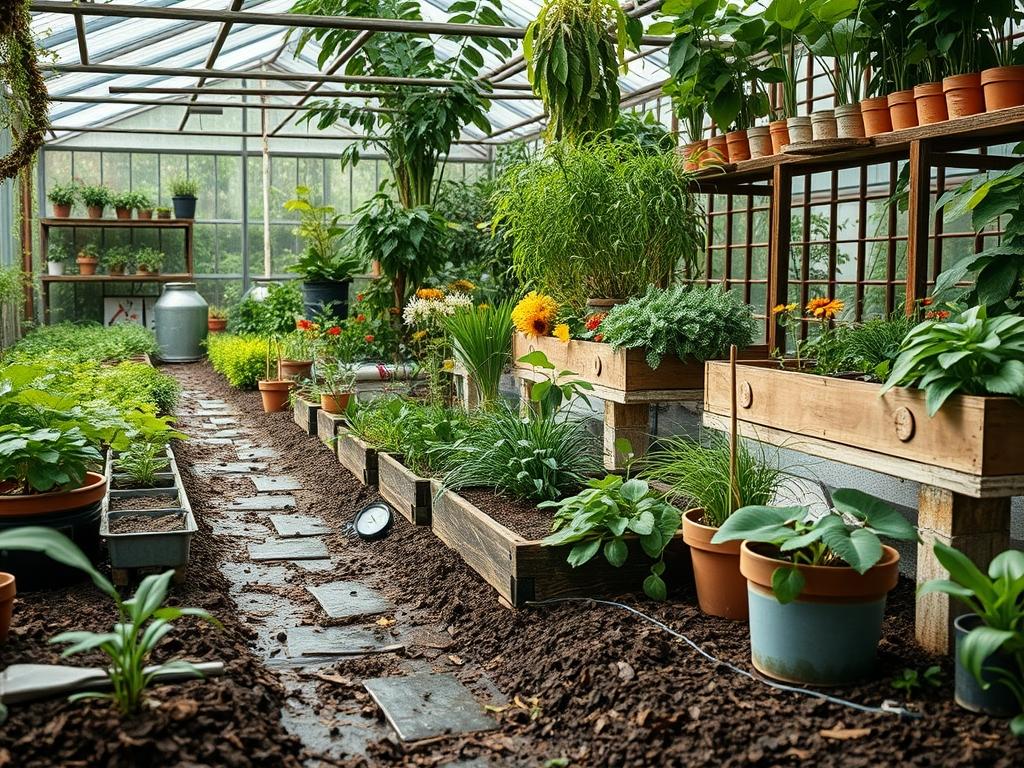
Developing a resilient outdoor environment requires a sophisticated balance between aesthetic ambition and biological management. A professional landscape is often judged by its immediate curb appeal; however, the long term success of a site depends on the architect’s ability to plan for pest pressure, soil vitality, and water efficiency. One of the most versatile tools available to the modern consultant is Food Grade Diatomaceous Earth. While often viewed simply as a garden additive, its application within a comprehensive landscape design serves multiple functions. It acts as an organic barrier for structural protection, a soil amendment for moisture regulation, and a defensive layer for specimen plantings. By integrating Diatomaceous Earth Uses into the initial planning stages, a designer can mitigate the risks of infestation that frequently plague high value installations.
Modern landscaping challenges often involve navigating fluctuating climates and the demand for low impact, sustainable solutions. Homeowners and commercial clients alike seek outdoor living spaces that function as extensions of the home. This requires the use of high end materials like natural stone pavers, custom timber decking, and architectural lighting. If these elements are undermined by subterranean pests or invasive insects, the financial and aesthetic investment is compromised. Diatomaceous Earth, a siliceous sedimentary rock pulverized into a fine powder, provides a mechanical solution rather than a chemical one. Its microscopic sharp edges pierce the exoskeletons of crawling insects, leading to dehydration and death without introducing toxins into the local watershed. This makes it an ideal choice for properties focused on organic certification or proximity to sensitive ecological zones.
Landscape Design Principles
In the realm of landscape architecture, the core principles of symmetry, focal points, and elevation layers dictate how a person experiences a space. A well designed garden uses focal points, such as a weeping cherry tree or a sculptural water feature, to draw the eye. However, these focal points are vulnerable to damage from aphids, slugs, and beetles. Strategic placement of Diatomaceous Earth around the base of these features creates a protective “moat” that preserves the integrity of the design. This application must be planned in coordination with the irrigation system. Because moisture neutralizes the efficacy of the powder, designers must specify “dry zones” or use drip irrigation buried beneath the mulch layer to keep the surface treatment active.
Symmetry is often achieved through the use of formal hedges and repeated planting patterns. When a single plant in a symmetrical row fails due to pest damage, the entire visual balance is disrupted. Implementing a regular application schedule for protective barriers ensures that the uniformity of the design remains intact. Furthermore, elevation layers, which involve the transition from ground covers to mid level shrubs and an overstory canopy, create microclimates within the garden. Using a bulb duster to apply a light coating of Diatomaceous Earth to the undersides of leaves in the mid layer can prevent vertical migration of pests into the canopy. This systemic approach to protection is as critical as the initial site grading or the selection of the hardscaping palette.
Plant and Material Selection
Selecting the right biological components is the foundation of any site plan. The following table outlines specific plants that benefit significantly from integrated management practices involving Diatomaceous Earth.
| Plant Type | Sun Exposure | Soil Needs | Water Demand | Growth Speed | Maintenance Level |
| :— | :— | :— | :— | :— | :— |
| English Lavender | Full Sun | Gritty, Alkaline | Low | Moderate | Low |
| Hosta ‘Empress Wu’ | Full Shade | Rich Organic Loam | High | Fast | Moderate |
| Japanese Maple | Filtered Sun | Well-drained Acidic | Moderate | Slow | Medium |
| American Boxwood | Full to Part Sun | Neutral, Well-drained | Medium | Slow | High |
| Purple Coneflower | Full Sun | Average, Fast-draining | Low | Moderate | Low |
| Dwarf Alberta Spruce | Full Sun | Moist, Acidic | High | Very Slow | Medium |
When selecting these plants, the architect must also consider the mulch and topsoil types. Heavy wood chips may harbor moisture that attracts slugs, making the application of Diatomaceous Earth essential along the interface where the mulch meets the plant stem.
Implementation Strategy
The transition from a design on paper to a physical landscape requires a precise implementation strategy. Ground preparation begins with grading, which is the process of leveling or sloping the land to ensure proper drainage. Proper grading prevents water from pooling in areas where Diatomaceous Earth has been applied. Once the grade is established, steel edging or stone borders should be installed to define the planting beds. These borders serve a secondary purpose; they act as a containment system for the powder, preventing it from blowing onto walkways or into swimming pools.
During the planting phase, incorporating Diatomaceous Earth into the backfill of the planting hole can improve soil aeration. The high silica content of the fossilized diatoms provides trace minerals that strengthen cell walls in young plants. For raised beds or container gardens, mixing the powder with potting mix at a ratio of one cup per cubic foot can help manage fungus gnat larvae in the soil. After the plants are in the ground and the irrigation line is tested, a final surface application is performed. Using a hand spreader, the architect or maintenance lead should apply a thin, visible layer of powder around the perimeter of the property and at the base of vulnerable species. This creates a primary line of defense that is both cost effective and environmentally responsible.
Common Landscaping Failures
Failure in a landscape often stems from a lack of foresight regarding the “living” nature of the site. One of the most common mistakes is improper spacing, leading to root overcrowding. When plants are too close together, airflow is restricted, creating a humid environment where pests thrive. In such cases, even the heavy use of Diatomaceous Earth cannot fully compensate for poor design. Another frequent error is the misalignment of the irrigation system. If sprinkler heads are positioned to spray directly onto the trunks of trees or into the center of flower beds, they will wash away any protective dust treatments, leaving the plants exposed.
Soil compaction is another silent killer in the landscape. Heavy machinery used during construction can crush the soil structure, leading to poor drainage and root rot. When soil is compacted, it becomes difficult for Diatomaceous Earth to integrate into the upper layers correctly. Furthermore, many amateurs fail to account for the “washout” effect. Applying the powder right before a heavy rainstorm is a waste of material and time; a professional understands that timing the application with the weather forecast is essential for success. Finally, neglecting the elevation of the site can lead to runoff. If a garden is built on a steep slope without retaining walls or terracing, any topically applied amendments will eventually migrate to the lowest point of the property, leaving the higher elevations unprotected.
Seasonal Maintenance
Maintenance is not a static task but a seasonal cycle that adapts to the needs of the environment. In the spring, the focus is on preparation and prevention. As the ground thaws, Diatomaceous Earth should be raked into the top two inches of the soil to intercept emerging larvae. This is also the time to inspect hardscaping for any signs of ant colonies that may be undermining paver joints.
During the summer, the emphasis shifts to active protection. Hot, dry weather is the peak time for many pests, but it is also the time when Diatomaceous Earth is most effective. Reapplication after heavy summer thunderstorms is necessary to maintain the protective barrier. In the autumn, as perennial plants begin to go dormant, the focus turns to sanitation. Removing fallen debris and applying a final layer of powder around the foundation of the house can prevent insects from seeking winter shelter indoors. Winter maintenance is primarily about storage and planning. Mechanical tools like dusters and spreaders should be cleaned and stored in a dry location. Reviewing the previous year’s successes and failures allows the consultant to adjust the site plan for the coming spring, ensuring the landscape continues to mature in health and beauty.
Professional Landscaping FAQ
What is the best way to apply Diatomaceous Earth to tall shrubs?
Use a powered duster or a handheld bellows duster to reach higher foliage. Focus on the undersides of the leaves where many pests congregate. Always wear a dust mask and safety goggles when applying the powder in the air.
Will Diatomaceous Earth harm beneficial pollinators like bees?
It can. To protect pollinators, avoid applying the powder directly to open flowers or during hours when bees are active. Apply it at the base of the plant or on the foliage early in the morning or late at night.
How does Diatomaceous Earth affect the soil pH over time?
It is generally pH neutral and will not significantly alter the acidity or alkalinity of your soil. Its primary contribution is providing amorphous silica, which helps plants resist environmental stress and improves the overall structural integrity of the soil.
Can I use the “Pool Grade” version in my landscaping?
No. Pool grade Diatomaceous Earth is heat treated and contains crystalline silica, which is hazardous to breathe and lacks the insecticidal properties of Food Grade DE. Only use Food Grade labeled products for horticultural and landscaping purposes.
How often should I reapply the powder to my garden beds?
Reapplication is required after any significant rain event or if the wind has dispersed the layer. In dry conditions, a single application can last for several weeks, but it should be refreshed whenever the visible white dust disappears.