
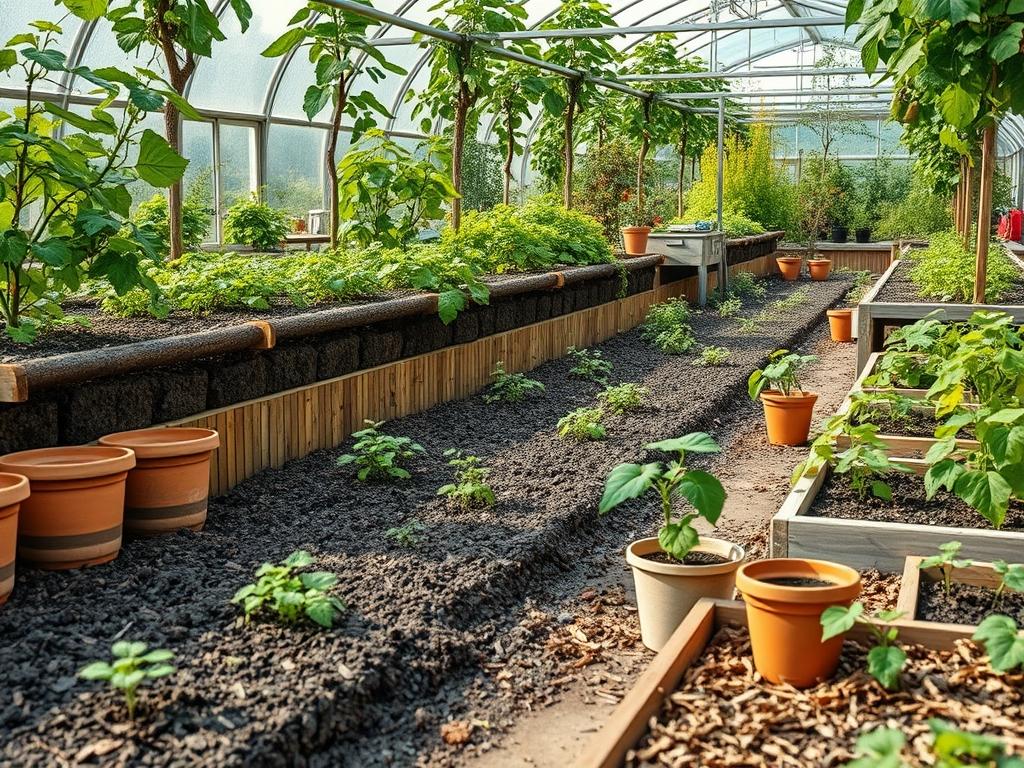
Curating a high-end edible landscape requires more than just an aesthetic eye for color and form; it demands an architectural understanding of the biological pressures that can dismantle a design overnight. Integrating squash plants into a residential estate or a boutique urban garden offers lush foliage and architectural interest, but the threat of the squash vine borer remains a significant hurdle. These pests do not merely nibble on leaves. They penetrate the structural core of the plant, causing a sudden and catastrophic collapse that leaves a literal hole in your landscape design. Effective vine borer prevention is therefore a vital component of site management. This involves a strategic blend of physical barriers, cultivar selection, and precise site grading to ensure that your outdoor environment remains both productive and visually pristine.
In most temperate climates, the landscape architect must consider the timing of peak pest activity, which often coincides with the period when summer gardens are expected to be at their most vibrant. A collapsed vine in a central parterre or a prominent raised bed ruins the symmetry of the space and compromises the curb appeal of the entire property. To maintain functionality and beauty, we must treat pest prevention as a structural requirement, much like drainage or lighting. By implementing a proactive defense strategy, we safeguard the health of the soil and the visual continuity of the garden, ensuring that the heavy, deep-green textures of Cucurbita species contribute to the landscape throughout the entire growing season.
Landscape Design Principles
Successful vine borer prevention begins with the fundamental layout of the garden. Symmetry and focal points are easier to maintain when you utilize high-interest cultivars that are naturally resistant to borers. When designing a potager, or decorative vegetable garden, we use elevation layers to create visual depth. For example, trellising vining squash over high-quality cedar arbors or powder-coated steel obelisks not only creates a stunning focal point but also lifts the stems off the ground. This elevation allows for better air circulation and makes it easier for the landscape manager to inspect the main stem for the tell-tale signs of borer entry, such as frass or sawdust-like excrement.
Irrigation planning is another critical design principle. Drip irrigation systems should be buried beneath a layer of shredded hardwood mulch or pine straw to deliver moisture directly to the root zone without wetting the foliage or the main stem unnecessarily. Keeping the crown of the plant dry reduces the likelihood of secondary fungal infections that often follow a borer attack. Furthermore, the use of wide, permanent walkways made of crushed gravel or flagstone allows for easy access to the plants without causing soil compaction. Compacted soil is a major stressor for squash, and a stressed plant is far more attractive to the adult clearwing moths that lay the borer eggs.
Plant and Material Selection
| Plant Type | Sun Exposure | Soil Needs | Water Demand | Growth Speed | Maintenance Level |
| :— | :— | :— | :— | :— | :— |
| Cucurbita moschata | Full Sun | Rich, Loamy | High | Vigorous | Moderate |
| Cucurbita maxima | Full Sun | Well-drained | Moderate | Fast | High |
| Cucurbita pepo | Full Sun | High Organic | Moderate | Medium | High |
| Floating Row Covers | N/A | UV-Stabilized | N/A | N/A | Monitoring Required |
| Aluminum Foil | N/A | Reflective | N/A | N/A | Low |
| Diatomaceous Earth| N/A | Dry Surface | N/A | N/A | Re-apply after rain |
Selecting the right plant variety is the first line of defense in tropical or temperate landscape design. We often specify Butternut Squash (Cucurbita moschata) because its stems are solid and woody, making it nearly impossible for the borer larvae to penetrate. In contrast, hollow-stemmed varieties like Zucchini or Pumpkin require much more intensive management. Using professional-grade materials such as UV-stabilized insect netting during the early growth phase can provide a physical barrier against the egg-laying moths, though these must be removed once flowering begins to allow for pollination by native bees.
Implementation Strategy
The implementation of a borer-resistant landscape starts with proper site grading. Before the first seed is planted, ensure the area has a 2 percent slope away from the main garden structures to prevent water from pooling at the base of your plants. Once the grade is established, the installation of 6-mil black plastic mulch or a high-quality landscape fabric can help solarize the soil in early spring. This process kills any overwintering pupae that may be hiding in the top 4 inches of the soil profile.
When the squash is planted, we recommend a technique called stem wrapping. Wrap the base of each squash plant with a 6-inch strip of aluminum foil or fine mesh hardware cloth. The wrap should extend about 1 inch below the soil line and 5 inches above it. This acts as a physical deterrent during the crucial weeks when the adult clearwing moths are active. For a more seamless aesthetic, this foil can be hidden beneath a light layer of decorative mulch. Additionally, injecting the stems with Bacillus thuringiensis (Bt) using a large-gauge syringe can provide internal protection, though this requires precision and a steady hand to avoid damaging the vascular tissue of the vine.
Common Landscaping Failures
One of the most frequent failures in residential landscaping is the lack of crop rotation. Pathogens and pests, including the vine borer, can remain dormant in the soil for years. If a landscape plan calls for squash in the same raised bed every season, the borer population will increase exponentially. We solve this by implementing a three-year rotation cycle, ensuring that Cucurbitaceae species are never planted in the same location in consecutive years. This disrupts the lifecycle of the borer and improves overall soil health.
Another common mistake is improper spacing. When plants are crowded, the increased humidity and lack of light create a microclimate that is highly attractive to pests. In a professional landscape, each squash plant should be granted at least 15 to 25 square feet of space, depending on its growth habit. Over-fertilization with high-nitrogen products is a third common error. This promotes lush, soft growth that is easy for the borer larvae to chew through. Instead, we favor slow-release organic fertilizers with a balanced N-P-K ratio to encourage sturdy, fibrous stem development.
Seasonal Maintenance
Maintenance in a high-end landscape is a year-round commitment. In the spring, the focus is on the installation of physical barriers and the timing of planting. Delaying the planting of squash until mid-summer can sometimes bypass the primary egg-laying cycle of the moths entirely. During the summer, maintenance crews should perform weekly “neck inspections” of the plants. If a borer is detected, a vertical slit can be made in the stem with a sterile scalpel to remove the larvae. The wound is then buried under a mound of moist soil to encourage the plant to grow secondary roots from that node.
In the autumn, the priority shifts to sanitation. All spent vines must be removed from the site and destroyed; they should never be composted on-site, as the larvae can survive the winter in the core of the vine. Tilting the soil to a depth of 6 to 8 inches in late fall will expose any remaining cocoons to the elements and to birds. During the winter months, the landscape consultant should review the performance of different varieties and update the planting plan for the following year, ensuring that the aesthetic goals of the property continue to be met despite the challenges of the local ecosystem.
Professional Landscaping FAQ
How can I tell if my squash has vine borers?
Observe the base of the plant for sudden wilting despite adequate irrigation. Look for small holes at the soil line accompanied by orange, sawdust-like droppings called frass. This indicates an active larvae boring into the vascular tissue.
Does mulch help with vine borer prevention?
Coarse mulch can make it slightly harder for larvae to reach the soil to pupate, but its primary role is moisture retention. For borer prevention, the physical wrap on the stem is more effective than mulch alone.
Can I use companion planting to deter borers?
Planting Marigolds or Nasturtiums around the perimeter can help confuse the adult moths via olfactory disruption. While not a foolproof solution, it adds color and biodiversity to the landscape while providing a secondary layer of defense.
Is it possible to save a plant once infected?
Yes, if caught early. Carefully slit the stem lengthwise, remove the white larvae, and bury the injured stem section in moist compost. The plant can often develop adventitious roots at the site of the injury and continue to thrive.
What is the best time of day to inspect for moths?
Adult clearwing moths are active during the day, unlike many other moth species. Peak activity usually occurs in the late morning and early afternoon when the sun is bright. They resemble wasps with their orange and black coloring.