
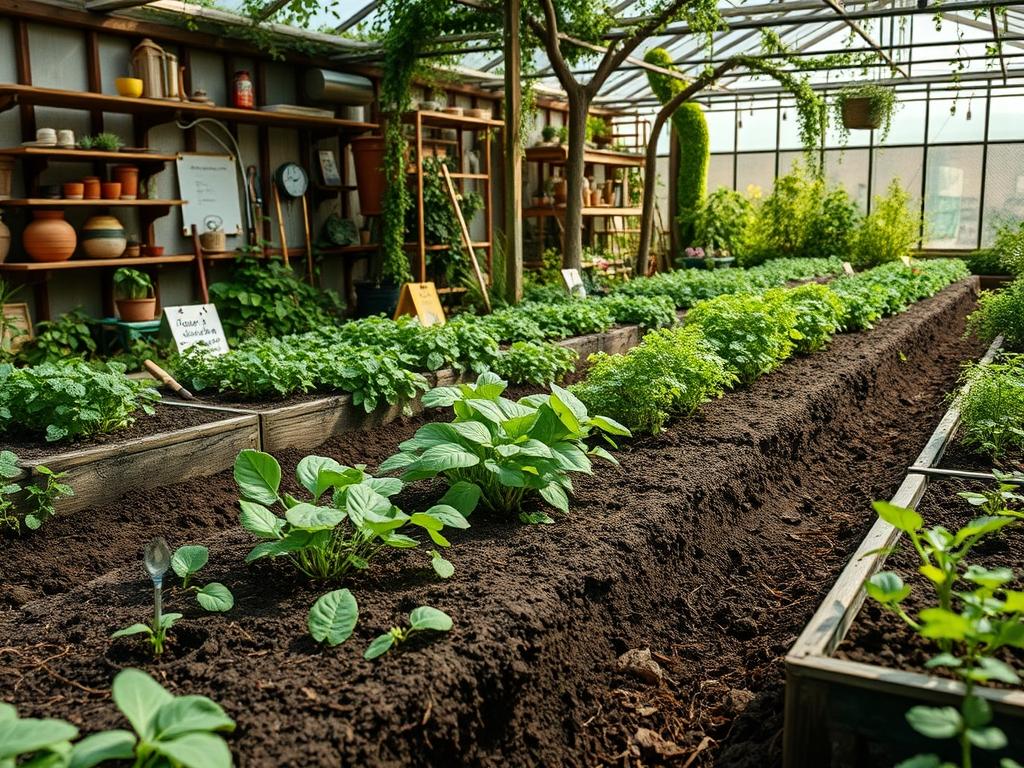
The integrity of a professional landscape design relies heavily on the health of the subterranean ecosystem. While a designer may focus on the visual harmony of Boxwood hedges and perfectly leveled Limestone pavers, the hidden activity of soil-dwelling pests like wireworms can quickly dismantle the most expensive installations. These larvae, the youthful stage of the click beetle, target the root systems of ornamental grasses, turf, and perennials. This biological pressure leads to patches of necrosis and stunted growth that diminish curb appeal and undermine functional outdoor living goals. Effective landscape management requires a proactive approach to Wireworm Soil Treatment, ensuring that the foundational layers of the garden are as resilient as the architecture above them. Climate considerations also play a pivotal role; in regions with high soil moisture and temperate winters, wireworm populations can reach a density that threatens high-value specimen plants. By integrating detection and treatment into the initial project phases, architects can protect the client’s investment and maintain the long-term vitality of the site.
The transition from a raw site to a finished outdoor environment involves more than simple planting. It requires a deep understanding of soil mechanics and pest life cycles. When we design for curb appeal, the focus is often on the visible, yet the functionality of a residential space depends on the health of the ground beneath. Wireworms are particularly problematic in new developments where lawn is being established on former agricultural or meadow land. These pests can remain in the soil for up to five years, feeding on roots and tubers. To mitigate this risk, a site analysis should include a thorough soil probe. Early detection allows for the implementation of cultural controls and soil amendments before the first Sod is laid or the first Japanese Maple is planted. A landscape that ignores these hidden variables is a landscape destined for costly renovation and repair.
LANDSCAPE DESIGN PRINCIPLES
Professional landscape architecture is built upon the pillars of symmetry, balance, and intentional focal points. However, these aesthetic elements are only sustainable if the underlying soil is properly managed. Symmetry in a garden creates a sense of order and tranquility. It is often achieved through mirrored planting beds or the placement of structural elements like Retaining Walls and Arbors. When wireworms attack one side of a symmetrical design, the visual imbalance is immediate and jarring. Focal points, such as a large Blue Spruce or an ornate Water Feature, draw the eye and provide a sense of hierarchy in the space. If the soil surrounding these features is infested, the health of the focal plant will decline, dragging down the entire visual narrative of the garden.
Elevation layers are essential for creating depth and interest in a flat backyard. By utilizing Boulders and Terraced Beds, designers can manage water runoff and improve drainage. This is a critical component of Wireworm Soil Treatment, as these pests thrive in saturated, poorly aerated soil. Strategic irrigation planning ensures that water is delivered precisely to the root zones of plants, preventing the over-saturation of the surrounding area. Walkways and hardscaping also serve a dual purpose; they provide clear pathways for traffic and act as physical barriers that can help contain certain types of soil-borne issues. A well-designed landscape must achieve visual balance by weighting different elements of the garden, ensuring that no single area feels overcrowded or neglected.
PLANT AND MATERIAL SELECTION
Choosing the right flora is a delicate balance of aesthetics and resilience. Certain plants are more susceptible to root damage, while others can tolerate higher pest pressures. The following table provides a selection of plants commonly used in professional landscape designs, adjusted for various environmental needs and maintenance levels.
| Plant Type | Sun Exposure | Soil Needs | Water Demand | Growth Speed | Maintenance Level |
| :— | :— | :— | :— | :— | :— |
| French Marigold | Full Sun | Well-drained | Moderate | Fast | Low |
| Bermuda Grass | Full Sun | Sandy/Loam | Medium | Fast | High |
| Japanese Yew | Partial Shade | Moist/Rich | Medium | Slow | Medium |
| Lavender | Full Sun | Gritty/Alkaline | Low | Moderate | Medium |
| Fescue | Partial Sun | Clay/Loam | High | Moderate | Medium |
| Rosemary | Full Sun | Well-drained | Very Low | Slow | Low |
| Zinnia | Full Sun | Fertile/Loamy | Moderate | Fast | Low |
IMPLEMENTATION STRATEGY
The implementation of a high-end garden layout begins with masterful site preparation. This starts with grading, where the soil is sloped away from structures at a minimum of 2 percent to ensure proper drainage. Poor grading leads to stagnant water, which is an open invitation for wireworm infestation. Once the primary grade is established, designers should focus on soil health. Wireworm Soil Treatment often involves soil solarization in the summer months or the application of Beneficial Nematodes in the spring. These microscopic organisms hunt and kill wireworm larvae, providing a biological solution that avoids the use of harsh chemicals near outdoor living areas.
Edging the garden beds with Steel Edging or Masonry helps define the space and prevents the encroachment of turf-dwelling pests into ornamental areas. When applying mulch, a depth of 3 inches is typically recommended. This maintains moisture for the plants but suppresses weed growth and helps regulate soil temperature. Drainage systems, such as French Drains or Catch Basins, should be integrated into the hardscape design to divert excess rainwater. If the site has a high water table, consider the use of Perforated Pipe wrapped in Geotextile Fabric to ensure the sub-soil remains aerated. These steps create a robust environment where plants can flourish despite subterranean pressures.
COMMON LANDSCAPING FAILURES
One of the most frequent errors in professional landscaping is the mismanagement of drainage. When water pools on a site, it leads to soil compaction and an anaerobic environment. This stressor weakens plant root systems, making them easy targets for wireworms. Furthermore, root overcrowding occurs when plants are spaced too closely for their mature size. This competition for nutrients and water creates a high-stress environment where pests can easily move from one host to another. Proper spacing, as outlined in the initial architectural plan, is vital for the long-term success of the project.
Soil compaction is another silent killer of high-end landscapes. Heavy machinery used during construction can compress the soil, destroying its structure and preventing oxygen from reaching the roots. To remedy this, professionals must use Power Aerators or deep-tillage methods before planting. Improper irrigation, such as daily light watering, encourages shallow root growth. This leaves the most vital parts of the plant exposed to pests living in the upper 4 to 6 inches of the soil. Instead, deep, infrequent watering cycles are preferred. Finally, ignoring the signs of infestation, such as localized wilting or yellowing, allows the population to explode before any treatment is implemented.
SEASONAL MAINTENANCE
A landscape is a living entity that requires a seasonal management strategy to remain at its peak. During the spring, focus should be on detection. Using Potato Baits buried 4 inches deep for a week can help identify the presence of wireworms before the main planting season begins. If found, this is the optimal time for an initial Wireworm Soil Treatment. In the summer, the goal shifts to moisture management and monitoring. Excessive heat can stress plants, so checking the Drip Irrigation system for leaks or clogs is essential.
As autumn approaches, tilling the soil can expose larvae to natural predators like birds and extreme temperatures. This is also the time to apply organic matter, such as Compost, to improve soil structure for the following year. Winter is the season for structural review. Inspect Retaining Walls for shifts caused by frost heave and plan for the next year’s additions. Removing dead plant material and debris during the winter reduces the number of hiding spots for click beetles, the parents of the wireworm. Consistent maintenance throughout the year ensures the landscape remains a healthy, vibrant extension of the home.
PROFESSIONAL LANDSCAPING FAQ
How can I detect wireworms without chemicals?
Bury halved Potatoes or Carrots 4 inches deep in the soil for several days. Extract the vegetables and inspect them for small, orange, cylindrical larvae. This is a reliable method for assessing the need for Wireworm Soil Treatment before planting.
What is the best way to improve soil drainage?
Install French Drains or incorporate Sand and Organic Compost to improve soil porosity. Ensure the garden is graded at a 2 percent slope. Proper drainage reduces the moist conditions that wireworms and other harmful subterranean pests prefer.
Are there native plants resistant to wireworms?
While few plants are entirely immune, many deep-rooted Native Grasses and woody shrubs like Viburnum tolerate minor infestations better than delicate ornamentals. High-tannin plants and certain aromatic herbs can also deter larvae from staying in localized planting zones.
Can mulch depth affect soil pests?
Yes, excessive mulch over 4 inches can trap too much moisture, creating a sanctuary for soil-borne pests. Maintain a consistent depth of 2 to 3 inches to balance moisture retention with proper soil aeration and temperature regulation.
When should I call a soil professional?
If you notice widespread wilting, yellowing, or plant death despite proper irrigation and fertilization, a soil analysis is necessary. A professional can identify specific pest populations and recommend a localized Wireworm Soil Treatment plan to save your landscape.