
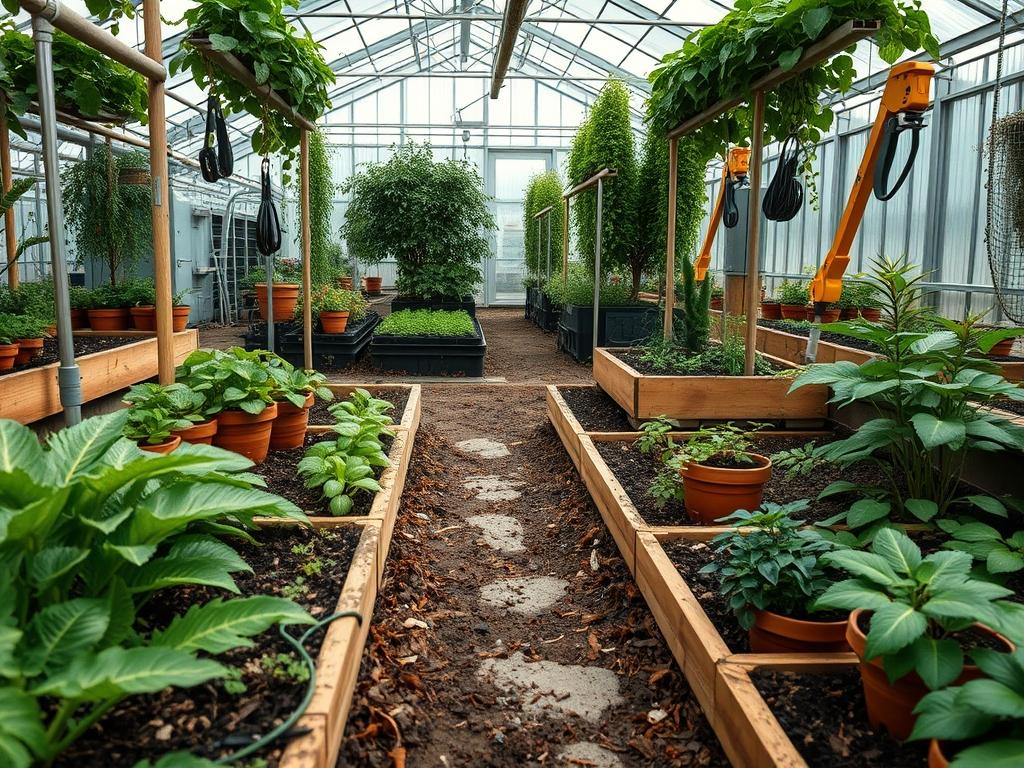
Integrating a functional edible garden into a high end landscape design requires a delicate balance between aesthetic elegance and rigorous pathology management. While many homeowners view the vegetable patch as a hidden utility, a well executed potager serves as a primary focal point that enhances curb appeal and increases the property value. However, the visual harmony of a professionally designed backyard is often threatened by the intrusion of fungal pathogens, specifically Septoria lycopersici. This fungus manifests as small, circular spots with dark borders and gray centers, quickly defoliating tomato plants from the bottom up. In the context of landscape architecture, the presence of diseased, yellowing foliage is more than a horticultural nuance; it is a failure of the outdoor environment to provide the necessary conditions for plant health. Effective Septoria leaf spot treatment begins with a structural understanding of the site, ensuring that the microclimate, drainage patterns, and air circulation patterns are optimized to suppress fungal proliferation before chemical intervention becomes necessary.
Climate considerations play a pivotal role in the architectural planning of a garden. In humid regions or areas with high seasonal rainfall, the risk of fungal spread increases exponentially as spores are splashed from the soil onto the lower leaves. A professional landscape consultant must view the garden layout through the lens of moisture management. By elevating the planting beds and incorporating specialized drainage systems, we can reduce the hydrostatic pressure and soil saturation that contribute to disease. Furthermore, the functionality of the outdoor living space depends on the health of these plants. A skeletal, blighted tomato plant serves as a visual detractor in an otherwise lush landscape, breaking the continuity of the green screen and signaling neglect. Therefore, the implementation of a comprehensive Septoria leaf spot treatment strategy is an essential component of professional estate management.
Landscape Design Principles
Successful garden planning relies on the core principles of symmetry, elevation layers, and visual balance to create a space that is both productive and beautiful. When designing for tomato cultivation, symmetry is achieved not just through the placement of the plants, but through the uniform installation of support structures. Using custom built cedar obelisks or powder coated steel cages provides a vertical focal point that guides the eye upward, drawing attention away from the soil line where many fungal issues originate. These structures are not merely aesthetic; they are functional tools that facilitate vertical growth, which is a primary cultural control for Septoria leaf spot. By lifting the foliage off the ground, we maximize air circulation, which allows the leaves to dry rapidly after rain or dew, depriving fungal spores of the moisture they need to germinate.
Elevation layers are equally critical in a multi functional landscape. By utilizing retaining walls or raised garden beds constructed from natural stone or rot resistant timber, the designer creates a physical barrier between the native soil and the plant canopy. This elevation helps prevent the upward splashing of soil particles during heavy rain events. Additionally, irrigation planning must move away from overhead sprinklers, which are the primary drivers of fungal leaf diseases. Instead, a professional layout incorporates a drip irrigation system tucked beneath a layer of mulch. This ensures that water is delivered directly to the root zone, keeping the foliage dry and maintaining the crisp, clean lines of the landscape. Walkways should be designed using permeable pavers or decomposed granite to ensure that foot traffic does not compact the soil near the root zones, as compacted soil leads to poor drainage and increased plant stress.
Plant and Material Selection
The following table outlines the selection of materials and botanical companions necessary for a resilient, aesthetically pleasing garden design that minimizes the impact of Septoria leaf spot.
| Plant or Material Type | Sun Exposure | Soil Needs | Water Demand | Growth Speed | Maintenance Level |
| :— | :— | :— | :— | :— | :— |
| Solanum lycopersicum | Full Sun | Loamy, Well-Drained | Moderate (Drip) | Fast | High |
| Tagetes patula | Full Sun | Standard Garden | Low | Moderate | Low |
| Ocimum basilicum | Full Sun | Rich, Organic | Moderate | Fast | Medium |
| Organic Straw Mulch | N/A | Cover Layer | N/A | N/A | Low |
| Copper Fungicide | N/A | Foliar Application | N/A | N/A | Monthly |
| Pine Bark Nuggets | N/A | Decorative Cover | N/A | N/A | Low |
Implementation Strategy
The transition from a design concept to a finished backyard layout requires a systematic approach to site preparation. The first step in any implementation strategy is grading. The land must be sloped at a minimum of 2 percent away from the home and the garden beds to prevent water from pooling around the base of the tomato plants. Once the grade is established, the placement of the beds should be staggered to ensure that no plant is shaded by its neighbor, which is crucial for maintaining the high light levels required for fruit production and leaf drying. Edging is then installed to create a clean transition between the lawn and the growing area, utilizing steel edging or cobblestone to prevent turf grass from encroaching on the specialized soil mixes.
A critical phase of the installation is the application of mulch. For an effective Septoria leaf spot treatment, a thick layer of at least 3 inches of organic mulch is required. This mulch acts as a physical shield, preventing soil pathogens from splashing onto the foliage. Professionals often utilize a dual layer approach, placing a functional layer of pine straw or shredded leaves directly on the soil, topped with a decorative layer of premium cedar mulch for a polished look. Hardscaping elements, such as flagstone paths, should be integrated between the rows to allow the gardener to prune and harvest without stepping on the soil, thereby preventing compaction. During the planting process, each tomato should be spaced at least 36 inches apart to guarantee that air can flow freely through the canopy, a design choice that significantly reduces the pressure of Septoria leaf spot.
Common Landscaping Failures
One of the most frequent mistakes in residential landscaping is the failure to account for long term drainage. When garden beds are placed in low lying areas without proper sub surface drainage, the soil remains saturated for extended periods. This lack of oxygen at the root level weakens the plant, making it far more susceptible to Septoria leaf spot and other opportunistic pathogens. Another common failure is root overcrowding. In an attempt to create an instantly “full” look, many designers plant too many specimens in a confined space. This creates a stagnant microclimate where humidity levels remain high, providing the perfect breeding ground for fungi.
Improper spacing and the use of overhead irrigation also rank high among landscaping errors. Watering a garden with a traditional lawn sprinkler is an invitation for disease. The constant wetting of the foliage, combined with the force of the water splashing soil onto the leaves, ensures that Septoria will take hold. Furthermore, soil compaction, often caused by heavy equipment during the construction phase or frequent foot traffic in the garden, prevents water from infiltrating the ground. This results in runoff that can carry fungal spores across the entire landscape, infecting healthy plants in distant beds. To avoid these failures, the landscape architect must prioritize the subterranean environment as much as the visible structures.
Seasonal Maintenance
Landscape management is a year round commitment that evolves with the seasons. In the spring, the focus is on prevention. This involves testing the soil pH and adding organic compost to build a robust microbial community that can compete with harmful fungi. Early application of a liquid copper fungicide can also be used as a preventative shield on new growth. During the summer, maintenance shifts to vigilant pruning. Low hanging branches, specifically those within 12 inches of the ground, should be removed using sterilized pruning shears to break the bridge between the soil and the plant. If Septoria leaf spot is detected, infected leaves must be removed immediately and disposed of in the trash, never in the compost pile.
As autumn arrives, the priority is sanitation. Once the harvest is complete, all plant debris must be cleared from the landscape. Septoria spores can overwinter on dead leaves and stems, so a thorough cleanup is the most effective way to protect next year’s crop. This is also the time to refresh the mulch and consider planting a cover crop like winter rye, which helps maintain soil structure and prevents erosion. In the winter, the focus turns to the hardscape. Inspecting retaining walls, cleaning drip emitters, and sharpening garden tools ensures that the landscape is ready for a healthy start in the spring. By following this professional maintenance cycle, the integrity of the garden design is preserved, and the impact of disease is kept to a minimum.
Professional Landscaping FAQ
How does mulch help with Septoria leaf spot treatment?
Mulch acts as a physical barrier that prevents soil based fungal spores from splashing onto your tomato leaves during rain. By maintaining a 3 inch layer of shredded bark, you significantly reduce the initial infection rate in your landscape.
Can irrigation design prevent fungal diseases?
Yes, moving from overhead sprinklers to a drip irrigation system is essential. This design ensures that water reaches the roots without wetting the foliage, which is the primary requirement for Septoria leaf spot treatment and prevention in professional gardens.
What is the best spacing for tomatoes in a high end landscape?
To ensure adequate air circulation and aesthetic balance, space plants at least 3 feet apart. This prevents the overlapping of foliage, which creates the humid, stagnant conditions that allow Septoria lycopersici to thrive and spread between plants.
Should I use chemicals for Septoria leaf spot treatment?
While cultural practices are primary, professional grade copper fungicides or biofungicides can be used as a preventative measure. Apply these during periods of high humidity or frequent rainfall to protect the visual integrity of your edible landscape.
How does soil grading affect garden health?
Proper grading ensures that excess water moves away from the plant stems. Soil that remains too wet promotes root rot and increases the humidity around the base of the plant, which accelerates the development of Septoria leaf spot.