
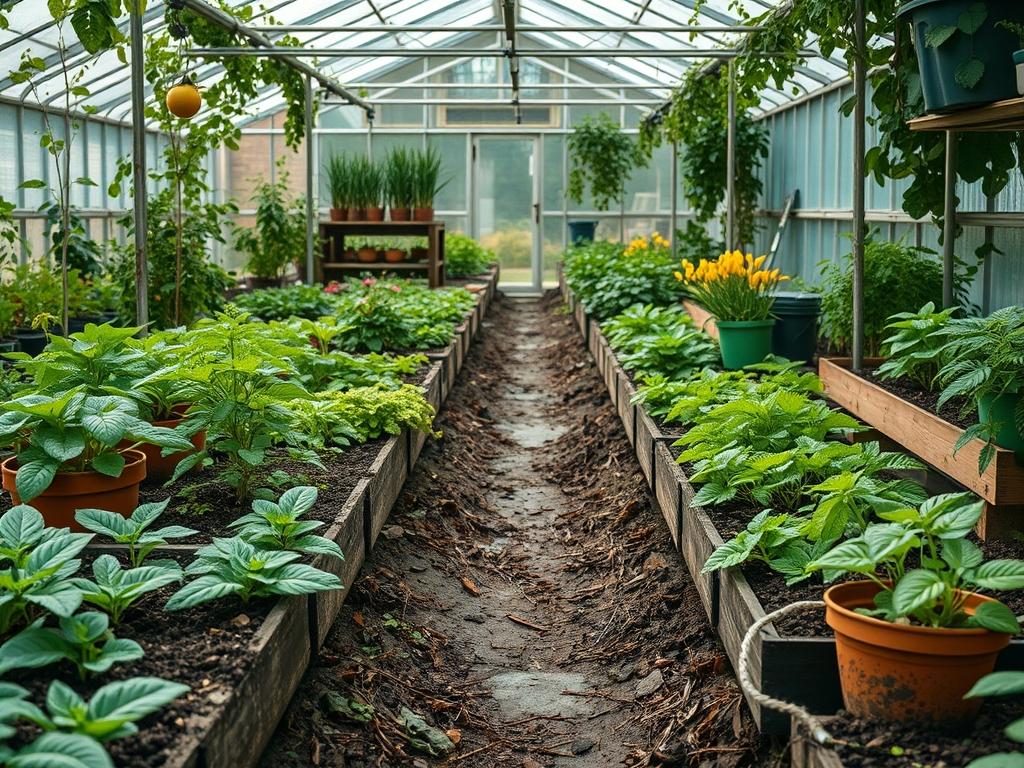
Integrating food production into a high end residential landscape design requires a sophisticated balance between aesthetic appeal and functional health. For the modern estate owner, a vegetable garden is no longer a hidden utilitarian patch; it is a focal point of the outdoor living experience. However, the architectural integrity of a landscape can be quickly compromised by plant disease. When cultivating Potatoes or Solanum tuberosum, the primary threat to both crop yield and visual harmony is the pathogen Alternaria solani. Effective Early Blight Prevention starts not with chemical intervention, but with the fundamental design of the growing environment. By treating the garden as a managed ecosystem, landscape architects can mitigate the risk of fungal outbreaks while maintaining the curb appeal and structural elegance of the property.
Early blight manifests as dark, concentric rings on lower leaves, eventually causing premature defoliation and reduced tuber size. From a landscaping perspective, a dying potato patch creates a brown, skeletal void in what should be a lush, green vista. To prevent this, the designer must prioritize moisture management and airflow. Climate considerations are paramount; regions with high humidity or frequent summer rains are particularly susceptible. The goal is to design a site that dries quickly after dew or rainfall. This involves careful site analysis to utilize prevailing winds and maximize solar exposure. A well planned garden layout ensures that functional elements, such as Drip Irrigation and Raised Beds, work in concert to create a resilient outdoor environment.
Landscape Design Principles
Successful Early Blight Prevention is rooted in the principle of spatial organization. Symmetry and visual balance are achieved by using Stone Retaining Walls or Steel Edging to define the potato cultivation zones. By elevating the planting area, we improve drainage and isolate the soil from surrounding turf pathogens. Elevation layers allow the architect to create a multi tiered garden where potatoes are situated in the highest, most ventilated tier. This physical separation prevents water from pooling at the base of the plants, which is a leading cause of spore germination.
Focal points within the garden, such as a central Stone Birdbath or a decorative Obelisk, can be used to draw the eye away from the lower foliage of the potato plants. Strategic walkway placement is also vital. Hardscaped paths using Permeable Pavers or Crushed Granite prevent soil compaction and allow the gardener to tend the plants without stepping directly on the root zones. This reduces the mechanical spread of spores from the soil onto the healthy leaves. Visual balance is maintained by surrounding the potato beds with companion plants that offer contrasting textures, such as the fine needles of Rosemary or the broad leaves of Nasturtiums, which also serve to break up the monoculture that fungi thrive upon.
Irrigation planning is perhaps the most critical design principle for disease control. Standard spray heads are discouraged in professional landscape layouts for vegetable production. Instead, we specify subsurface or surface Drip Emitters. By delivering water directly to the soil, we keep the leaf canopy dry. This targeted approach is a cornerstone of Early Blight Prevention, as the fungus requires a film of water on the leaf surface to infect the plant tissue.
Plant and Material Selection
Selecting the right materials and botanical varieties is the next layer of defense. Resistant cultivars should be prioritized to ensure the longevity of the landscape design.
| Plant Type | Sun Exposure | Soil Needs | Water Demand | Growth Speed | Maintenance Level |
| :— | :— | :— | :— | :— | :— |
| Kennebec Potato | Full Sun | Well drained, Sandy | Moderate | Medium | Low |
| Defender Potato | Full Sun | High Organic Matter | Moderate | Fast | Low |
| French Marigold | Full Sun | Average, Loose | Low | Fast | Minimal |
| Sweet Alyssum | Sun to Part Shade | Moist, Well drained | Moderate | Medium | Minimal |
| Red Clover | Full Sun | Loamy | Moderate | Fast | Medium |
| Cedar Mulch | N/A | Weed Suppressant | N/A | N/A | Annual Refill |
Selecting Certified Disease Free Seed Potatoes is a non negotiable requirement for professional grade installations. Using saved tubers from unknown sources introduces pathogens into the pristine soil of a new landscape. Furthermore, the inclusion of Cedar Mulch or Clean Straw provides a physical barrier between the soil and the leaves, preventing rain from splashing fungal spores upward.
Implementation Strategy
The implementation of a potato garden begins with precise grading. The soil should be pitched at a 1 to 2 percent slope away from the center of the bed to facilitate water runoff. Once the grade is established, Pressure Treated Timbers or Natural Stone should be used to create the frame of the bed. Before planting, the soil should be amended with high quality Compost and a balanced Slow Release Fertilizer to ensure the plants have the vigor required to resist infection.
Spacing is the most common area where functional design fails. For effective Early Blight Prevention, potatoes should be spaced at least 12 inches apart within the row, with rows separated by 36 inches. This generous spacing ensures that air can circulate freely around each plant, facilitating rapid drying after rain. When the plants reach 6 inches in height, they should be hilled with additional soil or mulch. This practice protects the developing tubers from light and adds another layer of protection against soil borne spores.
Hardscaping elements like Trellises for nearby climbing vegetables should be positioned so they do not cast late afternoon shadows on the potato patch. Sunlight is a natural disinfectant; the goal is to keep the potato foliage in direct light for as long as possible each day. Finally, a dedicated Wash Station with a Boot Scraper should be installed near the garden entrance to prevent the cross contamination of pathogens from other areas of the property.
Common Landscaping Failures
One of the most frequent mistakes in residential landscapes is root overcrowding. When designers prioritize a dense, lush look over plant health, they often place potatoes too close to ornamental shrubs or large perennials. This creates stagnant air pockets where humidity levels rise, creating a breeding ground for Alternaria solani. Soil compaction is another significant failure, often caused by heavy foot traffic or the use of heavy machinery during the construction phase. Compacted soil holds onto moisture too long and prevents healthy root development.
Drainage mistakes can be catastrophic for Early Blight Prevention. If the garden is located at the base of a slope without a proper French Drain or Catch Basin, water will saturate the root zone during heavy storms. This stress weakens the plant immune system. Furthermore, many homeowners rely on automated sprinklers that fire in the early morning or late evening. Watering during these times ensures the leaves stay wet throughout the night, which is the optimal window for fungal infection. An inefficient irrigation schedule is often the single greatest contributor to blight outbreaks in otherwise beautiful landscapes.
Seasonal Maintenance
Managing a potato garden requires a proactive, four season approach. In the spring, the focus is on site preparation and the installation of Drip Lines. Soil testing should be performed to ensure the pH is between 5.0 and 6.0, as slightly acidic soil can help suppress certain pathogens. During the summer, the primary task is monitoring and Early Blight Prevention through the application of Copper Fungicides or Biofungicides if the weather becomes excessively wet. Any leaves showing the characteristic target shaped spots should be removed immediately using Sanitized Pruning Shears.
Autumn maintenance is vital for the health of next year’s crop. All plant debris, including fallen leaves and leftover tubers, must be removed from the site. This material should be bagged and disposed of rather than composted, as the spores can survive in home compost piles. Winter is the time for soil rejuvenation. Planting a cover crop like Winter Rye or Clover prevents erosion and improves soil structure. It also breaks the life cycle of the fungus by ensuring that no host plants are present for several months.
Professional Landscaping FAQ
How does mulch influence Early Blight Prevention?
Mulch acts as a structural barrier. It prevents soil born spores from splashing onto potato foliage during rain events. A 3 inch layer of Straw or Bark also regulates soil temperature and moisture, reducing plant stress and increasing fungal resistance.
Can irrigation design really stop fungal spread?
Yes. By using Drip Irrigation instead of overhead rotors, you keep the leaves dry. Fungal spores require moisture to germinate. Eliminating surface water on the plant canopy is the most effective way to prevent the leaf infection cycle.
Why is grading important for a vegetable garden?
Proper Grading ensures that excess water moves away from the plant stems. Standing water creates anaerobic soil conditions and high humidity microclimates. A slight slope prevents the saturated conditions that allow Early Blight to flourish in the landscape.
What is the best way to handle infected plants?
Remove infected foliage immediately using Hand Pruners. Do not drop the leaves on the ground. Place them in a sealed bag. Always disinfect your Tools with a ten percent bleach solution after touching a diseased plant to prevent cross contamination.
How does airflow impact the landscape layout?
Strategic Spacing and the removal of windbreaks allow air to move through the garden. This promotes evapotranspiration, which dries the leaves quickly. A design that prioritizes ventilation naturally lowers the humidity levels that the Blight fungus needs to survive.