
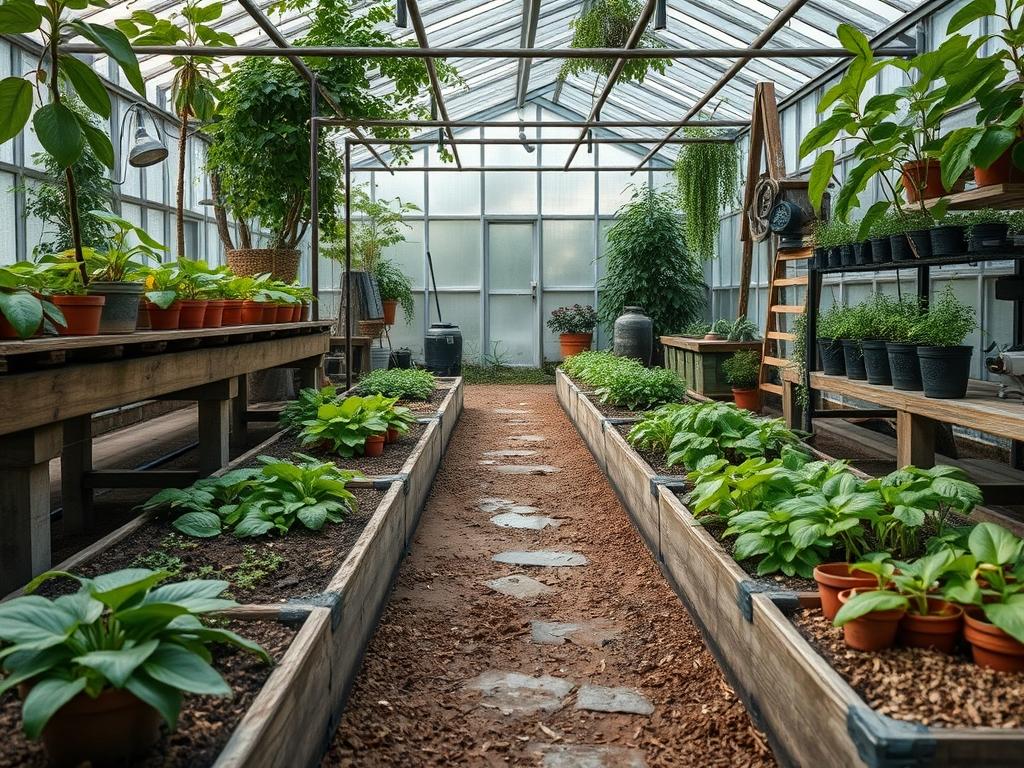
Professional landscape architecture requires a holistic understanding of the plant lifecycle, beginning in the controlled environment of the nursery or indoor grow room and extending to the final installation on a residential or commercial property. The transition from a germinating seed to a robust structural element in a backyard design is fraught with biological challenges. One of the most significant hurdles for any landscape consultant managing their own propagation is the presence of fungal pathogens that lead to terminal seedling failure. Establishing an effective Damping Off Treatment protocol is not merely a botanical necessity; it is a critical component of project management that ensures the availability of healthy Boxwood, Lavender, and Ornamental Grasses when the planting window opens. When indoor starts are compromised, the entire timeline for achieving curb appeal and outdoor functionality is delayed, often resulting in increased costs and missed seasonal opportunities for optimal root establishment.
Landscape Design Principles
A successful landscape design relies on the harmonious integration of multiple components to create a balanced and functional environment. Symmetry often serves as the foundation for formal gardens, where mirrored plantings of Italian Cypress or Emerald Green Arborvitae provide a sense of order and prestige. This balance directs the eye toward a central focal point, such as a custom Flagstone water feature or a high end Fieldstone fireplace. In contrast, asymmetrical designs utilize informal groupings and varying textures to create a naturalistic rhythm, which is often more suitable for contemporary or cottage style environments.
Elevation layers are equally vital for visual depth and spatial organization. Professional architects often utilize Retaining Walls constructed from Concrete Pavements or Natural Stacked Stone to create multi-tiered planting beds. These layers allow for a hierarchy of vegetation, placing groundcovers like Creeping Thyme at the fore, mid-sized perennials such as Purple Coneflower in the center, and tall structural shrubs at the rear. Irrigation planning must be integrated at the schematic phase, ensuring that Drip Tubing is installed beneath the Double-Shredded Hardwood Mulch to provide consistent moisture without promoting the very fungal issues encountered in the indoor grow room. Walkways composed of Decomposed Granite or Thermal Bluestone provide the necessary circulation, guiding visitors through the transition zones while protecting the integrity of the soil structure from compaction.
Plant and Material Selection
| Plant Type | Sun Exposure | Soil Needs | Water Demand | Growth Speed | Maintenance Level |
| :— | :— | :— | :— | :— | :— |
| Dwarf English Boxwood | Full Sun to Partial Shade | Well-Drained Loam | Moderate | Slow | Medium |
| Japanese Maple | Partial Shade | Slightly Acidic | High | Slow to Moderate | High |
| Blue Oat Grass | Full Sun | Sandy/Gritty | Low | Moderate | Low |
| Giant Hyssop | Full Sun | Average | Moderate | Fast | Low |
| River Birch | Full Sun | Moist/Clay | High | Fast | Medium |
| Hydrangea Macrophylla | Shade to Partial Sun | Rich Organic | High | Moderate | Medium |
Implementation Strategy
The execution of a high caliber backyard layout begins with meticulous site preparation and grading. Grading is the most critical step for long term success; the soil must be sloped away from the home foundation at a minimum of a 2 percent grade to prevent water accumulation. Surfaces should be smoothed with a Steel Landscape Rake to remove debris and large rocks before any hardscaping elements are placed. Once the grade is established, the installation of edging materials, such as Steel Edging or Paver Restraints, defines the boundaries between turf areas and planting beds, providing the crisp lines essential for professional aesthetics.
For the transition of indoor seedlings into the landscape, a rigorous Damping Off Treatment strategy must be maintained during the hardening off process. This includes the application of Copper Fungicide or a diluted Hydrogen Peroxide solution to the soil surface before the plants are moved to the outdoor nursery. When planting, the hole should be dug at least 2 times the width of the root ball but no deeper than its height. Backfilling should involve a mixture of native soil and high quality Compost, followed by the application of a 3 inch layer of mulch. It is vital to keep the mulch away from the direct stems of the plants to avoid rot. For heavy materials and large specimens, a Skid Steer or Power Auger may be required to reach the appropriate depth, especially in compacted clay environments.
Common Landscaping Failures
The most frequent failure in residential landscaping is improper drainage management. When water is allowed to pool near root zones, it creates an anaerobic environment that invites the same Pythium and Rhizoctonia species targeted by an indoor Damping Off Treatment. Without a French Drain or specialized Catch Basin system, even the most expensive specimens will succumb to root rot within a single season. Furthermore, soil compaction from heavy machinery or foot traffic prevents oxygen from reaching the roots, effectively suffocating the plant. This is often seen in new construction where the Subsoil has been crushed by heavy equipment.
Root overcrowding is another common oversight. Landscape designers must account for the mature spread of a species rather than its size at the time of purchase. Planting a Leyland Cypress too close to a Stone Retaining Wall will eventually lead to structural damage as the root system expands. Similarly, improper spacing in a hedge row leads to poor air circulation, which facilitates the spread of powdery mildew and other blights. Irrigation inefficiencies, such as overwatering via overhead Impact Sprinklers, can strip the beneficial microbes from the soil and increase the humidity to levels that promote leaf spot diseases.
Seasonal Maintenance
The management of a professional landscape changes with the cycle of the seasons. Spring is the primary window for aggressive growth management. This involves the application of a Pre-emergent Herbicide to prevent weed germination and the pruning of deciduous shrubs with Bypass Pruners before the first buds break. This is also the time to refresh the Mulch layers and check the Irrigation Controller for proper zone timing. As temperatures rise in the summer, the focus shifts to moisture retention and pest monitoring. Deep, infrequent watering is preferred over light daily mists, as this encourages roots to grow deeper into the Topsoil where temperatures are more stable.
Autumn represents the ideal time for planting large trees and shrubs, as the cooler air reduces transpiration stress while the soil remains warm enough for root development. It is also the season for aeration and overseeding of Cool-Season Grasses. During winter, the landscape consultant must focus on protection and structural integrity. Applying Anti-Desiccant Sprays to broadleaf evergreens like Holly or Rhododendron prevents winter burn from harsh winds. For the indoor grow room, winter is the peak season for propagation. Ensuring a clean environment with high quality Seed Starting Mix and proper Air Circulation Fans acts as a preventative Damping Off Treatment for the next generation of landscape plants.
Professional Landscaping FAQ
How do I identify damping off in my seedlings?
Look for water soaked stems near the soil line that appear pinched or shriveled. Seedlings will often collapse suddenly despite having adequate moisture. If you see white, fuzzy fungal growth on the Peat Moss, immediate intervention with an airflow increase is required.
What is the most effective organic damping off treatment?
Sprinkling a thin layer of Cinnamon or Sphagnum Peat Moss on the soil surface acts as a natural fungicide. Ensure you use a Targeted Spray Bottle with a solution of 1 part Hydrogen Peroxide to 20 parts water to disinfect the area.
How does drainage affect my outdoor landscape health?
Poor drainage leads to standing water, which prevents gas exchange in the soil. This stress weakens the plant immune system, making them susceptible to the same fungal pathogens found indoors. Installing a Dry Creek Bed can help manage excess surface runoff effectively.
When should I apply mulch to my garden beds?
Apply a 3 inch layer of Hardwood Mulch in late spring after the soil has warmed. This suppresses weeds and retains moisture. Never pile mulch against the base of Maple Trees or Hydrangeas, as it can cause the bark to decay.
Why is air circulation important in a grow room?
Air movement strengthens the stems of young plants through mechanical stress and prevents the stagnant, humid conditions where fungal spores thrive. Use a Small Oscillating Fan to keep the air moving at all times, which serves as a proactive Damping Off Treatment.