
Managing a high-end landscape in warm, humid climates requires more than an eye for aesthetics; it requires a sophisticated understanding of soil-borne pathogens that thrive in these specific environmental conditions. One of the most aggressive challenges facing estate managers and homeowners in the southern regions is the fungus known as Sclerotium rolfsii. Often referred to as Southern Blight, this pathogen can rapidly decimate a carefully curated garden, turning a thriving outdoor living space into a landscape of wilted, dying specimens within a matter of days. Effective Southern Blight Management begins with acknowledging that temperature and moisture are the primary drivers of this disease. When soil temperatures consistently exceed 85 degrees Fahrenheit and humidity levels remain high, the fungus becomes active, attacking the stems of plants at the soil line. For the landscape professional, the goal is to create an environment that prioritizes functionality and curb appeal while simultaneously engineering a habitat that is hostile to fungal proliferation. This involves a strategic combination of site grading, plant selection, and precise irrigation control to ensure the longevity of the outdoor environment.
Landscape Design Principles
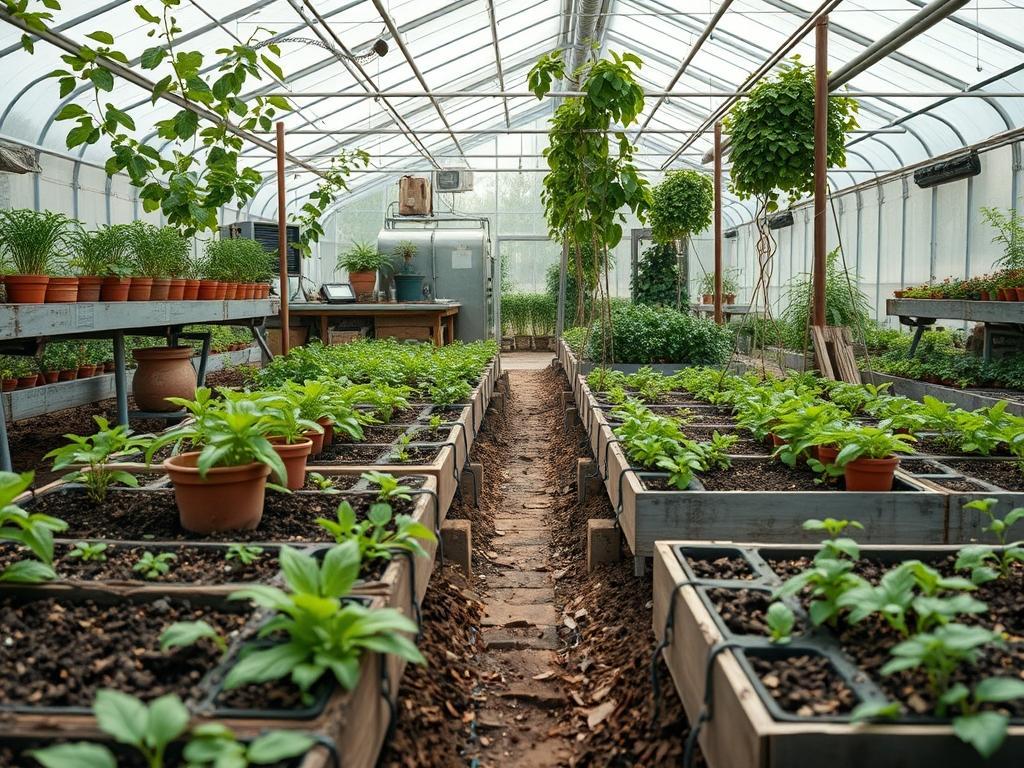
Successful Southern Blight Management is rooted in the structural layout of the garden. Symmetry and visual balance are important for aesthetic appeal, but from a consultant’s perspective, airflow and drainage are the paramount design considerations. In warm climates, densely packed plant beds create stagnant air pockets that trap moisture, providing the perfect incubator for fungal growth. To counter this, designers should utilize elevation layers. By introducing retaining walls or raised beds, you can significantly improve soil drainage and physically separate susceptible plant species from potentially contaminated groundwater paths. These elevated structures should be constructed using heavy materials like natural stone or interlocking concrete blocks to provide a permanent barrier against soil erosion.
Focal points within the landscape, such as statuary or large architectural planters, should be placed strategically to guide the eye without restricting wind movement. Walkways also play a critical role in disease management. Using permeable materials like crushed limestone or decomposed granite for paths allows water to move vertically through the soil profile rather than pooling on the surface. When designing these hardscape elements, incorporate a slight slope, perhaps a 2 percent grade, to direct runoff away from the most sensitive botanical collections. Irrigation planning is another cornerstone of professional design. Instead of overhead sprayers that keep foliage wet, a high-efficiency drip irrigation system should be installed. This delivers water directly to the root zone, keeping the crown of the plant dry and reducing the chance of pathogen activation at the soil-surface interface.
Plant and Material Selection
The following table outlines specific plant types and their requirements, focusing on selections that are either resilient or require specific management in blight-prone environments.
| Plant Type | Sun Exposure | Soil Needs | Water Demand | Growth Speed | Maintenance Level |
| :— | :— | :— | :— | :— | :— |
| Lantana | Full Sun | Well-drained | Low | Fast | Low |
| Zinnia | Full Sun | Rich, loamy | Medium | Fast | Moderate |
| Hostas | Full Shade | Moist, high organic | High | Moderate | High |
| Salvia | Full/Part Sun | Sandy/Loamy | Low | Moderate | Low |
| Boxwood | Part Sun | Well-drained | Medium | Slow | Moderate |
| Daylilies | Full/Part Sun | Adaptable | Medium | Fast | Low |
When selecting mulch, avoid finely shredded wood products that can mat together and hold excessive moisture. Instead, opt for pine bark nuggets or pine straw, which provide better breathability and allow for faster evaporation at the base of the plants.
Implementation Strategy
Implementing a Southern Blight Management plan requires a step by step approach to garden layout and soil preparation. The process should begin with a comprehensive site analysis focused on grading. Use a laser level to identify low spots where water might sit. These areas must be filled or fitted with a French drain to ensure rapid water evacuation during summer thunderstorms. Once the site is graded, the next step involves edging. Deep steel edging or poured concrete borders help contain mulch and prevent the spread of sclerotia, the tiny, mustard-seed-like structures the fungus uses to survive the winter, from being washed from one bed to another.
Soil solarization is a highly effective professional technique for managing existing blight infestations before new planting occurs. Cover the affected soil with 6-mil clear plastic sheeting during the peak of summer for 4 to 6 weeks. This process traps solar radiation, raising soil temperatures to levels that kill the fungal pathogens. When planting, pay close attention to depth. Ensure the root flare of shrubs and the crowns of perennials are slightly above the surrounding soil level. Never pile mulch against the stems of plants; this “volcano mulching” is a primary cause of stem rot and fungal infection. A 2 inch layer of mulch is sufficient for moisture retention without compromising airflow.
Common Landscaping Failures
The most frequent mistake in southern landscaping is the failure to manage soil compaction. In high-traffic areas or new construction sites, heavy machinery often compresses the soil, destroying its structure and preventing water from infiltrating. This leads to surface saturation, which triggers the onset of blight. Using an aerator annually can help mitigate this issue. Another common failure is improper spacing. Homeowners often desire an “instant” garden look and plant perennials too close together. As these plants mature, they outgrow their space, creating a dense canopy that prevents sunlight from reaching the soil, thereby maintaining the damp conditions favored by Sclerotium rolfsii.
Irrigation inefficiency is a silent killer in the landscape. Running systems on a simple timer without regard for actual weather conditions often results in overwatering. Installing a smart irrigation controller with a rain sensor ensures the garden receives water only when necessary. Furthermore, the use of overhead irrigation in the late evening is a significant error; this keeps the soil surface wet throughout the night, providing a window for fungal spores to germinate. Professionals recommend watering in the early morning hours, between 4:00 AM and 8:00 AM, to allow the sun to dry the ground surface quickly.
Seasonal Maintenance
Seasonal management is the key to preventing a minor fungal presence from becoming a suburban epidemic. In the spring, apply a granulated fungicide containing PCNB or azoxystrobin to susceptible areas as a preventative measure. This is also the time to refresh mulch, taking care to remove any old, graying material that may harbor pathogens. During the summer, constant monitoring is required. If you spot a plant wilting despite adequate soil moisture, check the base for white, fan-like fungal growth. If found, remove the plant immediately along with at least 3 inches of the surrounding soil using a hand trowel. Do not compost this material; seal it in a plastic bag and dispose of it in the trash.
Autumn focus shifts to sanitation. Remove all dead foliage and spent annuals from the beds. The sclerotia of Southern Blight overwinter in plant debris, so a clean garden in the fall drastically reduces the pathogen load for the following spring. Use a gas-powered leaf blower or a stiff rake to ensure no organic litter remains on the soil surface. In winter, avoid heavy fertilization. Excessive nitrogen can cause a flush of soft, tender growth in the early spring that is particularly vulnerable to infection. Instead, focus on structural pruning for ornamental trees and shrubs to further improve sunlight penetration and air movement for the upcoming growing season.
Professional Landscaping FAQ
How do I identify Southern Blight?
Look for rapid wilting of foliage and white, thread-like fungal growth at the soil line. You may also see small, round, tan to reddish-brown structures called sclerotia on the stems or mulch. These resemble mustard seeds.
Can I reuse soil after an infection?
Reusing untreated soil is risky because the fungus produces long-lived survival structures. If you must reuse the area, perform soil solarization with clear plastic during the summer or replace the top 6 inches of soil with sterile planting medium.
Is bark or pine straw better for prevention?
Pine straw or large pine bark nuggets are superior for Southern Blight Management. They do not compact as easily as shredded hardwood, allowing for better airflow and faster drying of the soil surface where the fungus breeds.
Does organic matter help or hurt?
While organic matter improves soil health, uncomposted material like fresh grass clippings can fuel the fungus. Use only fully decomposed compost. Mix it thoroughly into the soil rather than leaving it in a thick layer on top.
Should I use a fungicide every year?
In areas with a history of blight, a preventative application in late spring can be beneficial. However, cultural controls like proper spacing and irrigation management are more effective long-term solutions than relying solely on chemical treatments for disease suppression.