
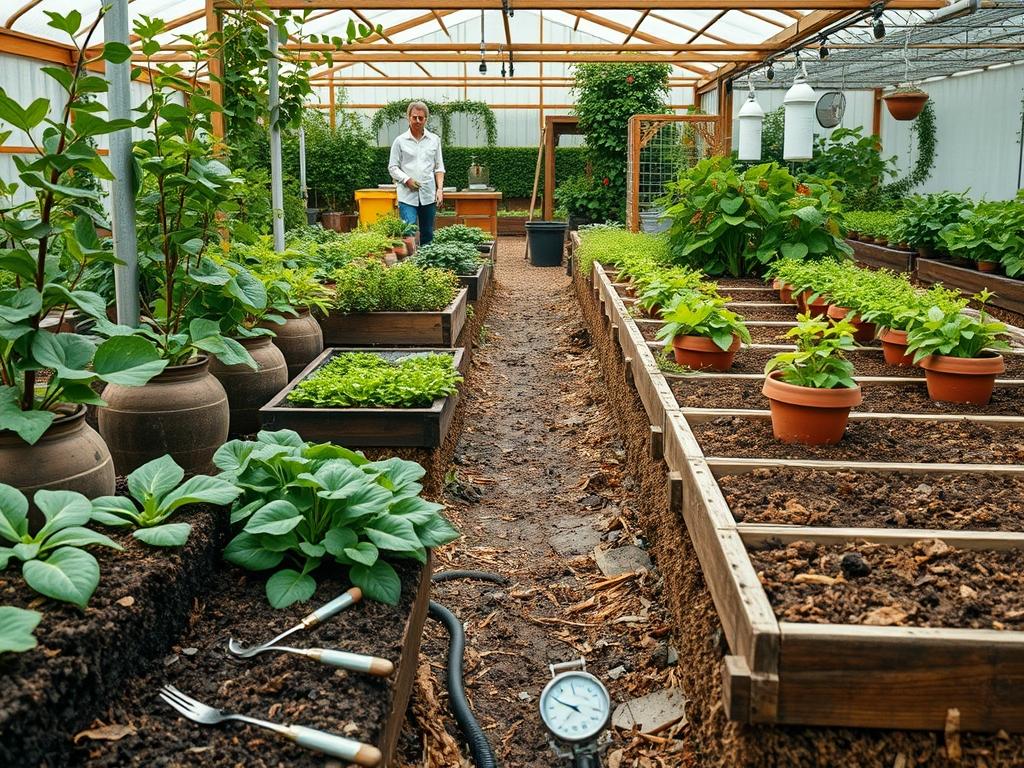
Maintaining a professional landscape requires a precise balance between aesthetic brilliance and biological security. When we design high-value bedding areas for commercial estates or premium residential properties, we are not just choosing colors and textures; we are managing an ecological system. One of the most significant threats to the longevity of these installations is Sclerotinia sclerotiorum, a persistent fungal pathogen that can cause rapid wilt and collapse in over 400 plant species. Effective Sclerotinia Management is a cornerstone of professional garden planning, as an outbreak can instantly degrade curb appeal and necessitate expensive soil remediation. From a consultancy perspective, the goal is to create an environment where the outdoor functionality remains intact despite the climatic pressures that favor fungal growth. High humidity, tight plant spacing, and poor drainage are the primary catalysts for infection, making the strategic layout of the garden the first line of defense.
Identifying this pathogen early is critical for any landscape manager. Often referred to as white mold or watery soft rot, Sclerotinia presents initially as water-soaked lesions on stems or leaves, quickly followed by a signature cottony, white mycelial growth. As the disease progresses, it forms small, hard, black structures known as sclerotia, which resemble mouse droppings. These structures are the survival mechanism of the fungus; they can remain dormant in the soil for up to ten years, waiting for the right moisture and temperature levels to germinate again. In a professional landscape, the presence of these black pellets in the mulch or soil is a red flag that requires immediate intervention to prevent the loss of the entire bedding display. By prioritizing airflow and precise irrigation, a designer can mitigate these risks while still achieving a lush, layered visual impact.
Landscape Design Principles
Successful Sclerotinia Management begins with a design philosophy that prioritizes air circulation and light penetration. In professional landscaping, we use symmetry and focal points to draw the eye, but these must be executed without creating “dead air” pockets where moisture can sit. When planning bedding layouts, we utilize elevation layers to ensure that smaller, more susceptible annuals are not trapped in the humid microclimate created by larger shrubs or retaining walls. By staggering plant heights, we allow wind to move through the foliage, which significantly reduces the leaf wetness duration required for fungal spores to infect host tissues.
Wait times for foliage to dry are a primary concern. Therefore, the orientation of the beds should ideally maximize morning sun exposure. This natural heat source evaporates dew quickly, drying the canopy before the heat of the day increases humidity. Furthermore, visual balance should be achieved through strategic spacing rather than overcrowding. While a “fully filled” look is often desired for immediate curb appeal, a professional consultant knows that leaving a 2-inch to 4-inch gap between the mature widths of plants is vital. This spacing prevents the “matting” effect where diseased foliage touches healthy stems, which is the primary method of secondary spread for white mold.
Plant and Material Selection
Selecting the right cultivars is not just about color palettes; it is about choosing species that fit the specific moisture profile of the site. In areas where Sclerotinia is a known historical issue, we prioritize plants with upright growth habits over prostrate or “creeping” varieties that trap moisture against the soil surface.
| Plant Type | Sun Exposure | Soil Needs | Water Demand | Growth Speed | Maintenance Level |
| :— | :— | :— | :— | :— | :— |
| Zinnia | Full Sun | Well-drained | Moderate | Fast | Medium |
| Salvia | Full Sun | Sandy loam | Low | Medium | Low |
| Marigold | Full Sun | Fertile, porous | Moderate | Fast | Low |
| Hosta | Shade | Humus-rich | High | Slow | Low |
| Petunia | Full Sun | Light, airy | Moderate | Fast | High |
| Snapdragon | Partial Sun | Neutral pH | Moderate | Medium | Medium |
When selecting materials, the choice of mulch is equally important. While organic mulches like shredded hardwood are popular for nutrient cycling, they can also harbor sclerotia if not managed properly. In high-risk beds, using a thin layer of pine bark nuggets or even decorative stone can improve drainage near the crown of the plant, which is the most vulnerable area for infection.
Implementation Strategy
The transition from a blueprint to a physical garden requires a rigorous implementation strategy focused on hydrology. Grading is the most important step; the soil must be sloped at a minimum of 2 percent away from the center of the bed or the foundation of the home. This ensures that heavy rainfall does not pool around the base of the bedding plants. For large-scale projects, we often install French drains or subsurface tiles to carry excess water to a designated drainage basin.
Once the grading is complete, the edging should be installed to define the beds and prevent the encroachment of turf grass, which can act as a bridge for pathogens. During the planting phase, use a hand trowel to ensure that the root ball of each plant is level with or slightly above the surrounding soil grade. Planting too deep is a common error that leads to stem rot. After the plants are positioned, apply 2 inches of mulch, but ensure that the mulch does not touch the stems of the plants. This “donut” mulching technique keeps the root zone cool while preventing the crown from staying too wet. If you are working with highly susceptible species like dahlias or zinnias, incorporating a biological fungicide into the soil at the time of planting can provide an added layer of protection as part of a comprehensive Sclerotinia Management plan.
Common Landscaping Failures
The most frequent failure in professional landscaping is the misuse of irrigation systems. Overhead sprinklers, particularly those set to run in the late evening, are the leading cause of Sclerotinia outbreaks. When water sits on the foliage overnight, it provides the perfect 8 to 12 hour window for fungal spores to germinate. We recommend switching to drip irrigation or soaker hoses that deliver water directly to the soil. This keeps the leaves dry and reduces the overall humidity within the plant canopy.
Another common mistake is soil compaction. In high-traffic areas or newly constructed sites, the soil is often compressed by heavy machinery, leaving no room for oxygen or water movement. Roots becomes stressed, making them more susceptible to opportunistic pathogens. To correct this, we use a mechanical aerator or incorporate perlite and organic compost to restore soil structure before planting. Finally, root overcrowding is a major issue; many landscapers plant for “today” rather than “three years from now.” When plants grow into one another, air movement stops, and Sclerotinia can sweep through an entire row of marigolds or petunias in a matter of days.
Seasonal Maintenance
Sclerotinia Management is a year-round commitment. In the spring, the focus is on sanitation. Any debris from the previous year should be cleared away using a stiff rake. This removes any sclerotia that may have survived the winter on dead plant matter. As the growing season begins, keep a close watch for the first signs of wilt and remove any infected plants immediately, including the surrounding soil, and dispose of them in the trash rather than the compost pile.
In the summer, maintenance shifts to monitoring irrigation and pruning. Thinning out the lower leaves of dense plants can improve air circulation near the soil line. Autumn is the time for a thorough garden “reset.” Once the first frost hits, pull all annuals and inspect the stems for those hard, black fungal bodies. If detected, consider a soil solarization process for the following year, where you cover the bed with clear plastic sheeting for 4 to 6 weeks during the hottest part of the summer to kill the spores. In the winter, focus on hardscaping repairs and cleaning pruning shears with a 10 percent bleach solution to ensure that no pathogens are carried over into the next season.
Professional Landscaping FAQ
What is the fastest way to stop Sclerotinia from spreading?
Immediately remove infected plants and the top 3 inches of surrounding soil. Avoid overhead watering and increase spacing by pruning neighboring foliage. Apply a professional-grade fungicide containing boscalid or thiophanate-methyl to protect the remaining healthy plants.
Can I reuse mulch that was near infected bedding plants?
No, you should never reuse mulch from an infected area. The black sclerotia can hide within the mulch for years. Bag the old mulch and dispose of it off-site to prevent the fungus from returning in future growing seasons.
How does drainage impact Sclerotinia Management?
Poor drainage creates the saturated soil conditions that trigger the germination of fungal spores. By using raised beds or gravel sub-bases, you reduce the hydrostatic pressure around plant stems, making it harder for the pathogen to take hold and spread.
Which bedding plants are most resistant to white mold?
While few plants are fully immune, those with woody stems or waxy leaf coatings, such as certain varieties of sedum or ornamental grasses, tend to fare better. Begonias also show higher resistance compared to highly susceptible species like sunflowers.
Is soil solarization effective for large ornamental beds?
Yes, it is a highly effective non-chemical control method. By covering the soil with heavy-duty plastic, you trap solar heat, raising soil temperatures enough to deactivate the sclerotia. This is best done in mid-summer when UV intensity is at its peak.