
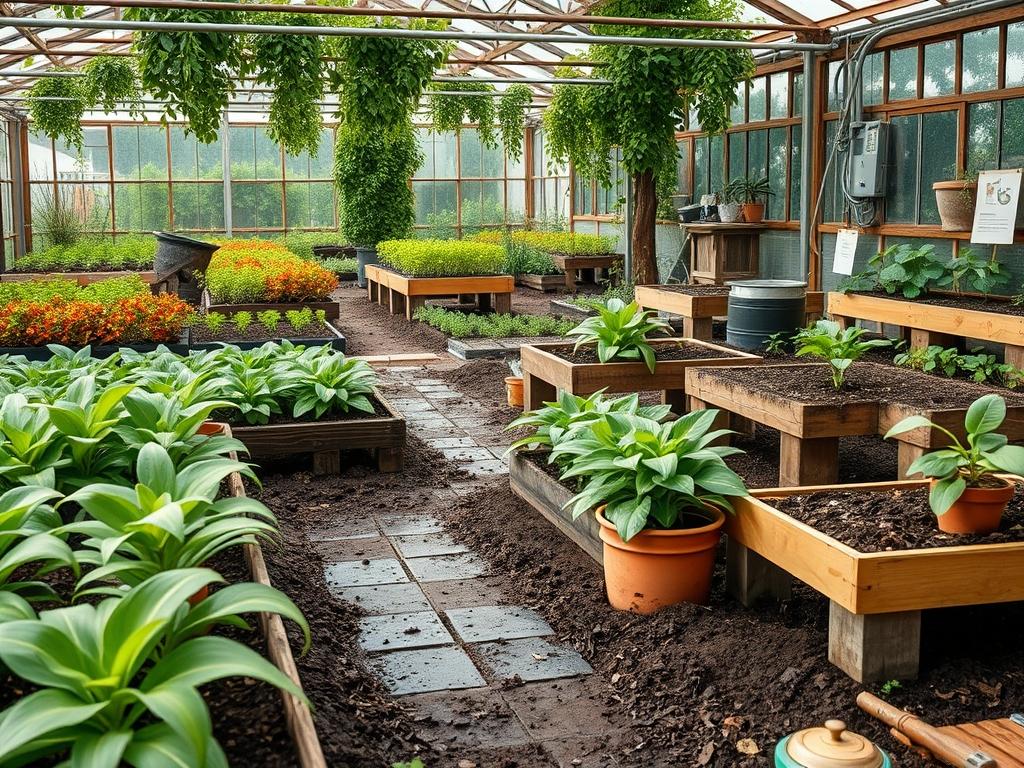
Maintaining a high end residential landscape requires more than an eye for aesthetics and a sense of spatial arrangement. It demands a scientific understanding of the soil ecosystem, specifically regarding the prevention of common horticultural pathogens that can devastate expensive ornamental installations. One of the most persistent threats to the visual integrity of a garden is the soil borne fungus known as Rhizoctonia solani. This pathogen is responsible for various issues including damping off, root rot, and stem cankers, all of which compromise the curb appeal and outdoor functionality of a property. For landscape architects, the challenge lies in balancing complex design goals with robust plant health. Effective Rhizoctonia Control Methods begin with the initial site analysis and continue through every phase of the project, ensuring that the structural beauty of the landscape is supported by a resilient, disease resistant biological foundation.
Landscape Design Principles
In the realm of professional landscape architecture, design is the purposeful arrangement of elements to create harmony and utility. Symmetry often serves as the backbone of formal gardens, providing a sense of order and balance that guides the eye. However, from a horticultural perspective, symmetry must also account for consistent light and water distribution. If one side of a symmetrical planting bed remains shadowed or damp while the other receives full sun, the imbalance creates a localized microclimate where pathogens thrive. Focal points, such as a large granite fountain or a specimen Japanese Maple, should be situated on slightly elevated ground. This elevation serves two purposes: it creates a visual hierarchy in the landscape and ensures that excess water moves away from the root collar, a primary site for fungal infection.
Irrigation planning is perhaps the most critical design principle when considering Rhizoctonia Control Methods. Overhead watering should be avoided in favor of precision drip irrigation lines buried beneath the mulch layer. These systems deliver water directly to the root zone, keeping the foliage dry and reducing the humidity levels within the plant canopy. Furthermore, the inclusion of walkways and hardscaping elements like flagstone paths or paver patios must include a plan for surface runoff. Proper grading, typically a 2 percent slope away from the home and major planting beds, prevents water from pooling. Visual balance is achieved when these functional drainage elements are integrated seamlessly into the design, such as using a dry creek bed lined with river rock to double as both a focal point and a functional drainage swale.
Plant and Material Selection
Selecting the right plant material is a sophisticated task that involves matching the physiological needs of the species with the unique characteristics of the site. A diverse palette not only adds visual interest through varying textures and colors but also acts as a natural barrier against the rapid spread of soil infections.
| Plant Type | Sun Exposure | Soil Needs | Water Demand | Growth Speed | Maintenance Level |
| :— | :— | :— | :— | :— | :— |
| Petunia | Full Sun | Sandy Loam | High | Fast | Moderate |
| Hosta | Full Shade | Organic Rich | Moderate | Medium | Low |
| Boxwood | Partial Sun | Well-drained | Low | Slow | High |
| Zinnia | Full Sun | Neutral pH | Moderate | Fast | Medium |
| English Ivy | Part Shade | Clay Loam | Low | Fast | Low |
| Lavender | Full Sun | Alkaline | Very Low | Medium | High |
| Azalea | Filtered Sun | Acidic Peat | Moderate | Slow | Moderate |
When selecting materials, the choice of mulch and soil amendments is just as vital as the plants themselves. Using hardwood mulch at a consistent depth helps regulate soil temperature, but it must be kept away from the direct base of the plants to prevent moisture traps. For professionals, the use of pasteurized potting soil or sterile amendments in containers and raised beds is a standard practice to ensure that pathogens are not introduced into a clean environment.
Implementation Strategy
The transition from a design on paper to a physical garden requires a meticulous implementation strategy. The process starts with site grading to ensure that the subsoil is contoured to move water away from high traffic ornamental areas. Before any plants go into the ground, the soil should be tested for compaction. If the soil is too dense, a gas powered aerator or tilling fork should be used to incorporate perlite or coarse sand, which improves the pore space necessary for root respiration.
Once the grade is established, edging materials such as steel bender board or poured concrete curbs are installed to define the beds. These borders do more than just provide a clean line; they prevent the migration of contaminated soil and water from one section of the garden to another. During the planting phase, each specimen should be placed at a depth where the root flare is slightly above the surrounding soil level. This is a key component of Rhizoctonia Control Methods, as it prevents the crown rot that often occurs when plants are buried too deep. After planting, a 3 inch layer of mulch is applied, leaving a small gap around the stems. Finally, the installation of French drains or subsurface drainage tiles may be necessary in areas with naturally high water tables to ensure the longevity of the ornamental investment.
Common Landscaping Failures
Many landscaping projects fail not because of poor aesthetic choices, but because of technical oversights during the construction and planting phases. Drainage mistakes are the most frequent culprit. When a landscape designer fails to account for how water will move during a heavy rainstorm, “bowl effects” can occur where water sits for hours or days. This stagnant water is the ideal breeding ground for fungi, leading to rapid plant decline. Another common error is root overcrowding. While “instant landscapes” with dense plantings look great on the first day, they quickly become a liability. As plants grow, they compete for nutrients and, more importantly, they restrict airflow. Poor air circulation creates a humid environment within the foliage that allows Rhizoctonia to move from the soil to the leaves.
Soil compaction is another silent failure point. Heavy machinery used during construction can compress the soil to the point where it becomes as dense as concrete. Without the ability for water to permeate the ground, roots suffocate and become highly susceptible to infection. Irrigation inefficiencies, such as misaligned sprinkler heads that blast the stems of plants or clocks set to water too frequently for short durations, further stress the ornamentals. A deep, infrequent watering schedule is always preferred to encourage deep root growth and keep the surface soil dry.
Seasonal Maintenance
A professional landscape is a living entity that requires a structured maintenance calendar to remain healthy and vibrant.
- Spring: This is the time for a thorough cleanup. Remove any fallen debris or dead organic matter that may have accumulated over winter, as these can harbor fungal spores. Apply a fresh layer of long fiber sphagnum peat or mulch and check the irrigation system for leaks.
- Summer: Monitoring is the priority during the heat of the season. Inspect plants for the first signs of wilting or stem lesions. If symptoms of infection appear, apply a professional grade fungicide containing fludioxonil or azoxystrobin as part of a targeted Rhizoctonia Control Methods strategy.
- Autumn: Clean up spent annuals and prune perennials once they have gone stagnant. Tools like bypass pruners should be sterilized with 70 percent isopropyl alcohol between every plant to prevent cross contamination. This is also the best time to refresh the mulch and ensure drainage paths are clear of leaves.
- Winter: Use the dormant season to evaluate the landscape’s structure. Look for areas where water pools during winter rains and plan for drainage repairs. Avoid over mulching during this time, as excessive moisture in cold soil can lead to winter root rot.
Professional Landscaping FAQ
How do I identify Rhizoctonia in my garden early?
Look for sudden wilting, reddish brown lesions at the soil line, or “web blight” where fungal threads appear on foliage during humid weather. Stunted growth in specific patches often indicates the early stages of a subterranean root rot infection.
Can I reuse soil if a plant has died from Rhizoctonia?
It is not recommended to reuse soil from an infected area without thorough sterilization. The fungus produces sclerotia, which are dormant structures that can survive in the earth for several years, waiting to infect the next susceptible ornamental host.
What is the best way to improve drainage in clay soil?
Incorporate organic matter like compost and inorganic amendments such as expanded shale. For severe cases, installing a French drain system or creating raised planting mounds is the most effective way to protect sensitive ornamental root systems.
Does mulch help or hurt with fungal control?
Mulch helps by preventing soil from splashing onto leaves, which is a common transmission route. However, it must be applied correctly. Excessive depth or mulch touching the plant stem can trap moisture and encourage the very pathogens you are trying to avoid.
Are there organic Rhizoctonia Control Methods available?
Yes, biological controls involving beneficial fungi like Trichoderma harzianum can be effective. These beneficial organisms compete with the pathogen for space and nutrients. Maintaining high levels of organic soil health also supports a microbiome that naturally suppresses harmful fungal growth.