
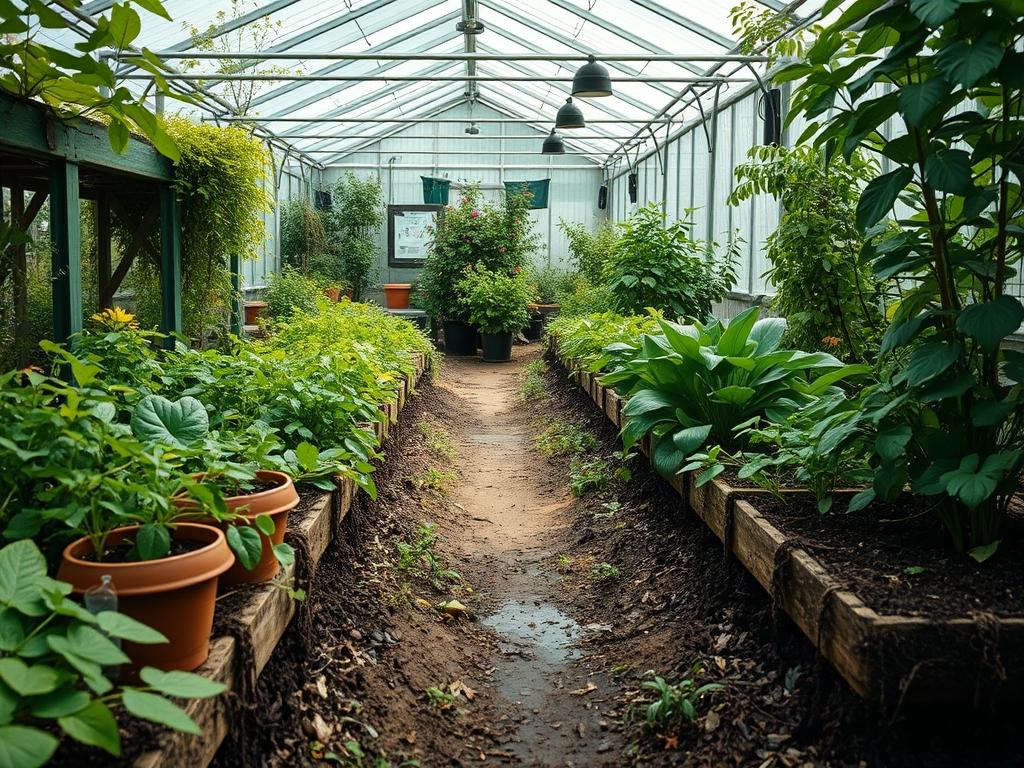
Densely planted beds are a hallmark of high-end residential landscaping, offering an immediate sense of maturity and lushness that open designs often lack. These gardens provide a continuous canopy that suppresses weeds, cools the soil, and creates a seamless transition between the built environment and the natural world. However, this visual density comes with a significant architectural challenge: the management of the microclimate within the plant canopy. When air cannot circulate freely, moisture remains trapped against stems and leaves, creating a perfect incubator for Sclerotinia sclerotiorum, commonly known as white mold. For a landscape architect, preventing this fungal pathogen is not merely a matter of chemical intervention. It is a fundamental design requirement that involves precise site grading, sophisticated irrigation planning, and a deep understanding of botanical geometry.
The primary goal of white mold prevention in a dense landscape is to facilitate evaporation without sacrificing the desired aesthetic of a full, overlapping garden. This requires a shift in how we perceive garden structure. Instead of viewing a bed as a solid mass of vegetation, we must view it as a series of fluid air channels. In humid climates or regions with heavy spring rains, the stakes are particularly high. A single outbreak can decimate a curated collection of perennials and shrubs, ruining curb appeal and necessitating a costly replanting. By integrating prevention into the initial layout, we ensure that the outdoor living space remains functional and vibrant throughout the growing season.
Landscape Design Principles
Effective landscape design relies on the balance of symmetry and focal points, but these elements must also serve the functional needs of the ecosystem. In a dense bed, symmetry should not mean overcrowding. We utilize focal points, such as a large specimen tree or a structural evergreen, to draw the eye upward while leaving the lower tiers open for air movement. By layering plants according to their mature height, we create a vertical gradient. This “elevation layering” ensures that taller plants do not completely wall off the wind from ground-cover species.
Airflow is further enhanced by the strategic use of topography. Incorporating a slight elevation change, such as a raised bed supported by a natural stone retaining wall, encourages drainage and improves air contact with the soil surface. This design choice prevents water from pooling at the base of the plants, which is where white mold frequently takes hold. Furthermore, we must consider the cardinal directions and prevailing winds. Aligning the longest axis of a planting bed with the direction of the afternoon breeze can naturally flush out humid air pockets. Walkways and paths also play a role here; a flagstone path or a gravel walkway cutting through a large bed serves as an “exhaust valve” for stagnant air, breaking up the dense canopy and allowing the interior of the garden to breathe.
Plant and Material Selection
| Plant Type | Sun Exposure | Soil Needs | Water Demand | Growth Speed | Maintenance Level |
| :— | :— | :— | :— | :— | :— |
| Lavender (Lavandula) | Full Sun | Well-drained/Sandy | Low | Medium | Moderate |
| Coneflower (Echinacea) | Full Sun | Loamy/Neutral | Moderate | Fast | Low |
| Japanese Forest Grass | Shade/Part Sun | Humus-rich | High | Slow | Low |
| Russian Sage | Full Sun | Poor/Dry | Low | Fast | Low |
| Switchgrass | Full Sun | Varied | Low to Moderate | Fast | Low |
| Beardtongue (Penstemon) | Full Sun | Sharp Drainage | Low | Medium | Moderate |
| Coral Bells (Heuchera) | Part Shade | Rich/Moist | Moderate | Medium | Low |
Implementation Strategy
The implementation of a mold-resistant garden begins with the soil. Before a single plant is placed, the site must be graded to ensure a minimum 2-percent slope away from any building foundations or hardscape structures. This prevents the “bathtub effect” where water lingers in the root zone. Once the grade is established, the soil should be amended with organic matter to improve its structure. However, in dense beds, we must be careful not to over-amend with high-nitrogen fertilizers. Excessive nitrogen leads to soft, succulent growth that is more susceptible to fungal penetration.
Spacing is the most critical manual task during installation. While it is tempting to plant closer together for an immediate “finished” look, we must adhere to the mature spread measurements. Use a measuring tape to mark center-to-center distances based on the plant’s size at three years of growth. To bridge the visual gaps in the interim, we use organic mulch. A layer of 2 inches of pine bark nuggets or cedar mulch is ideal. These materials are large enough to allow air to pass through to the soil while preventing water from splashing soil-borne spores onto the lower leaves.
Irrigation must be handled with precision. Overhead sprinklers are the enemy of White Mold Prevention. They wet the foliage and keep it damp for hours. Instead, install a low-volume drip irrigation system with emitters placed directly at the base of each plant. This keeps the water in the root zone and the canopy dry. If possible, integrate a smart irrigation controller that adjusts based on local humidity and rainfall data, ensuring the garden never sits in a state of oversaturation.
Common Landscaping Failures
The most common failure in modern landscaping is the “set it and forgot it” mentality regarding irrigation. Many homeowners keep their systems on a daily timer regardless of weather. This constant moisture on the soil surface is an open invitation for mold. Another frequent mistake is improper mulch depth. Piling mulch in “volcano” shapes around the base of shrubs or trees creates a dark, moist environment that invites rot and fungal pathogens. Mulch should never touch the bark or the main stem of a plant; there should always be a small gap of a few inches.
Root overcrowding is another silent killer. When plants are jammed into a space smaller than their biological requirement, they compete for nutrients and water, stressing the plant and making it vulnerable to infection. Furthermore, many designers fail to account for soil compaction. During construction, heavy machinery often packs the earth so tightly that water cannot penetrate, leading to surface runoff and standing water within the planting beds. Using a core aerator or a broadfork to loosen the soil before planting can mitigate this issue and improve the overall resilience of the garden.
Seasonal Maintenance
Proper maintenance follows the rhythm of the seasons. In the spring, the focus is on sanitation and thinning. Use bypass pruners to remove any dead or crossing branches that might impede airflow. As the first flush of growth occurs, monitor the interior of the dense beds for any signs of white, cottony mycelium. If detected, remove the affected plant material immediately and dispose of it in the trash, not the compost pile, to prevent the spores from recirculating.
Summer maintenance involves managing the irrigation schedule. As temperatures rise, the temptation is to water more, but many fungi thrive in the heat. Check the soil moisture levels at a depth of 4 inches before adding more water. In the autumn, the priority shifts to debris removal. Fallen leaves should be cleared from the interior of dense beds. If left to rot, they create a mat of organic matter that holds moisture against the crowns of the plants through the winter.
Winter is the time for structural planning. Examine the “bones” of the garden when the foliage is gone. Identify areas where the plants have outgrown their space and plan for division or relocation in the early spring. This is also the best time to apply a thin layer of fresh organic mulch if the existing layer has decomposed, ensuring the soil remains protected but breathable for the upcoming growing season.
Professional Landscaping FAQ
How do I identify white mold early?
Look for a white, cottony substance appearing on the stems near the soil line. If the plant begins to wilt despite having adequate water, inspect the lower canopy for signs of fuzzy growth or dark, seed-like structures called sclerotia.
Can I use mulch to prevent mold?
Yes, but the type of mulch matters. Large-format mulches like pine bark nuggets allow better air circulation than fine, shredded wood. Avoid “mulch volcanoes” and keep the material a few inches away from the plant stems.
Do native plants resist mold better?
Native plants are generally better adapted to the local humidity and rainfall patterns. Because they have evolved in the specific climate of your region, they often possess natural resilience to endemic fungal pathogens compared to exotic species.
What is the best irrigation for dense beds?
In-line drip emitters are the gold standard for dense landscaping. They deliver water directly to the soil, keeping the foliage dry and reducing the humidity levels within the plant canopy that facilitate white mold growth.
Should I remove infected plants?
Yes, removal is essential. White mold produces sclerotia that can survive in the soil for years. Quickly removing the entire plant, including the surrounding soil and mulch, prevents these structures from falling and contaminating the bed for future seasons.