
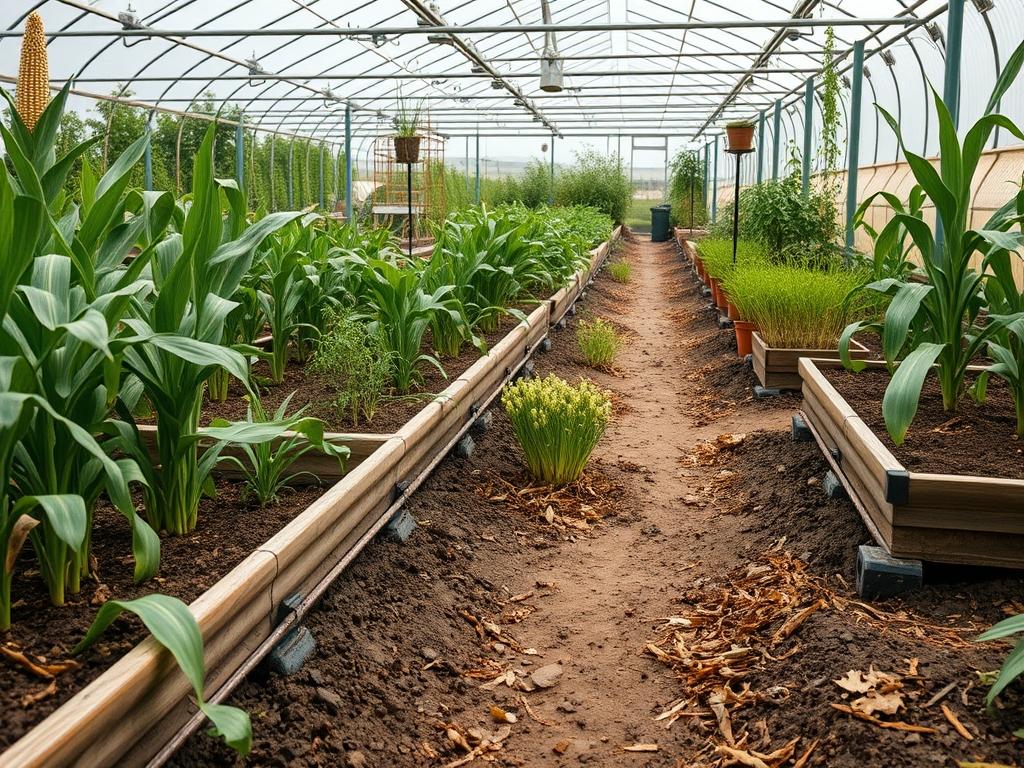
Integrating architectural utility with agricultural productivity has transformed modern residential landscapes into multi-functional estates. Large-scale residential designs often incorporate cereal crops like Corn to provide verticality, screening, and a rhythmic texture that softer ornamental grasses cannot achieve. However, this aesthetic choice introduces specific pathological considerations that a landscape consultant must address to maintain both visual appeal and plant health. The appearance of Corn Smut, caused by the fungus Ustilago maydis, represents a pivotal moment in the management of these garden spaces. Depending on the homeowner’s goals, this growth is either a devastating blight or a rare culinary opportunity. Corn Smut Identification begins with a careful inspection of the developing silk and ears during the humid mid-summer months, where the fungus hijacks the plant’s ovaries to create swollen, silvery galls.
Effective land management requires a deep understanding of how local microclimates influence the spread of such pathogens. For the landscape architect, the goal is to create a sustainable environment where air circulation is prioritized without sacrificing the dense, green screening that Corn provides. High humidity and temperatures between 75 degrees Fahrenheit and 90 degrees Fahrenheit create the perfect incubation chamber for these fungal spores. When these galls appear, they often disrupt the clean lines of a formal garden, turning a uniform green screen into a distorted collection of gray swellings. If the landscape is designed for curb appeal, these galls are typically viewed as a pest that requires immediate removal. Conversely, in farm-to-table estate planning, the identification of these galls marks the harvest period for a delicacy known as huitlacoche. This duality requires a professional approach to garden planning that balances aesthetic purity with functional versatility.
Landscape Design Principles
When incorporating tall agricultural elements into a residential plan, symmetry and layering are essential to prevent the space from looking unkempt. Corn serves as an excellent backdrop for mid-border perennials. To achieve a formal look, one should plant in blocks rather than single rows. This promotes better wind pollination and creates a structural focal point that draws the eye upward. In a well-designed estate, the verticality of the Corn Stalk should be mirrored by hardscaping elements, such as Stone Pillars or a high Retaining Wall, to ground the visual weight of the foliage.
Irrigation planning is perhaps the most critical design factor for mitigating the spread of disease. Overhead watering is discouraged because it traps moisture in the corn whorls and silk, which invites Ustilago maydis spores to germinate. Instead, a Drip Irrigation System should be installed along the base of the rows. This keeps the foliage dry and directs water precisely to the root zones. Furthermore, creating wide Walkways lined with Decomposed Granite or Pea Gravel between the crop areas and the rest of the garden ensures that maintenance crews can access the plants without compacting the soil or inadvertently spreading spores on their clothing.
Visual balance is maintained by “masking the feet” of the crop. As the lower leaves of the Corn begin to brown or show signs of stress, shorter, vibrant plants like Marigolds or Nasturtiums can be used to hide the base of the stalks. This creates a multi-layered elevation that keeps the landscape looking lush and intentional throughout the growing season.
Plant and Material Selection
| Plant Type | Sun Exposure | Soil Needs | Water Demand | Growth Speed | Maintenance Level |
| :— | :— | :— | :— | :— | :— |
| Sweet Corn | Full Sun | Nitrogen-rich Loam | High | Rapid | High |
| Marigold | Full Sun | Well-drained | Moderate | Medium | Low |
| Sunflower | Full Sun | Adaptable | Moderate | Fast | Low |
| Pole Bean | Full Sun | Compost-heavy | High | Fast | Medium |
| Zucchini | Full Sun | Rich, Moist | High | Fast | Medium |
| Sweet Alyssum| Part Sun | Well-drained | Low | Medium | Very Low |
Implementation Strategy
The successful layout of a garden featuring Corn begins with precise site grading. The area must be leveled to prevent standing water, which increases local humidity and fungal risk. Start by using a Grading Rake to ensure a slight 2 percent slope away from nearby structures. Once the site is prepared, install a heavy-duty Steel Edging to define the borders of the planting beds. This prevents the vigorous root systems of the corn from encroaching into the Turfgrass or ornamental flower beds.
Before planting, incorporate a 3 inch layer of Organic Compost into the top 8 inches of soil using a Rear-tine Tiller. Because corn is a heavy feeder, the soil must be pre-loaded with nutrients to support rapid vertical growth. When seeding, space the kernels 12 inches apart in rows that are 30 inches wide. This spacing is a strategic decision; it provides enough density for a privacy screen while allowing sufficient air to move through the canopy.
Once the stalks reach 12 inches in height, apply a 2 inch layer of Pine Bark Mulch or Straw to regulate soil temperature and moisture. This mulch barrier also prevents soil-borne spores from splashing onto the plants during heavy rain. If the goal is smut prevention, keep the area meticulously weeded with a Hula Hoe to ensure no alternate hosts or air-flow obstructions exist near the stalks. If the goal is the harvest of the fungus, monitor the ears daily after the first sign of gall formation.
Common Landscaping Failures
The most frequent mistake in managing these “edimentals” is poor drainage. If the garden sits in a low spot, the soil becomes anaerobic, weakening the plant’s immune system and making it more susceptible to smut. Over-application of High-nitrogen Fertilizer late in the season can also lead to soft, succulent growth that is easily penetrated by fungal hyphae. It is better to use a balanced, slow-release formula early in the spring and taper off as the ears begin to form.
Root overcrowding is another common failure. When homeowners plant corn too densely to achieve a faster screen, the lack of air circulation creates a stagnant microclimate. This almost guarantees an outbreak of Corn Smut. Proper spacing is not just a growth requirement; it is a fundamental disease management strategy. Furthermore, failing to rotate the crop or clear the debris at the end of the season allows spores to overwinter in the soil, leading to a recurring cycle of infection that can persist for several years.
Finally, irrigation inefficiencies, such as watering in the late evening, are detrimental. Moisture that sits on the plant overnight is a catalyst for fungal growth. Professional designs should always include a Smart Irrigation Controller programmed to water in the early morning, allowing the rising sun to dry the stalks quickly.
Seasonal Maintenance
Spring maintenance begins with a thorough soil test to check for nutrient deficiencies. Once the soil temperature reaches 60 degrees Fahrenheit, it is time to plant. During this phase, focus on “hilling” the corn, which involves mounding soil around the base of the stalks using a Garden Spade to provide extra stability against summer winds.
Summer is the peak period for monitoring. This is when Corn Smut Identification becomes vital. Check the ears for a pearly white sheen or swelling. If the galls appear, decide immediately whether to prune and destroy them or harvest them for consumption. If you choose to remove them, do not place them in a standard Compost Bin, as the heat may not be sufficient to kill the spores. Instead, bag and dispose of them away from the garden site.
Autumn is the season for sanitation. Once the harvest is complete, remove all stalks and root balls entirely. Use a Leaf Rake to clear any fallen silk or leaves that might harbor spores. In the winter, some landscape architects recommend a “dormant spray” of the soil or a deep tilling to expose any buried spores to the freezing air, which can reduce the fungal load for the following year. Covering the bed with a Heavy-duty Tarp or a winter cover crop like Cereal Rye can also help maintain soil structure until spring.
Professional Landscaping FAQ
How can I identify corn smut quickly?
Identify it by looking for swollen, distorted galls on the ears, tassels, or stalks. These growths start as a shiny, silvery-white color before turning into a dark, sooty black mass of spores as they mature to their final stage.
What is the best way to prevent fungal spread?
Maintain wide spacing of at least 12 inches between plants to ensure maximum air circulation. Avoid overhead watering; use Drip Irrigation to keep moisture off the foliage, and immediately remove and destroy any infected plant parts before the galls burst.
Is corn smut harmful to the rest of my landscape?
Fortunately, Ustilago maydis is host-specific to corn and teosinte. It will not spread to your roses, lawn, or other ornamental shrubs. However, it can reside in your soil for several years, affecting future corn crops in that specific location.
Should I use chemicals to treat the infection?
Fungicides are rarely effective once the galls are visible. The best architectural and environmental approach is cultural management. Focus on soil health, proper drainage, and choosing resistant varieties if the fungus becomes a persistent problem in your specific garden site.
Can I incorporate corn into a formal landscape?
Yes, by using it as a structural backdrop or a temporary summer hedge. To maintain a formal appearance, ensure the rows are perfectly straight and the base is neatened with consistent Wood Chip Mulch and low-growing, colorful companion plants.