
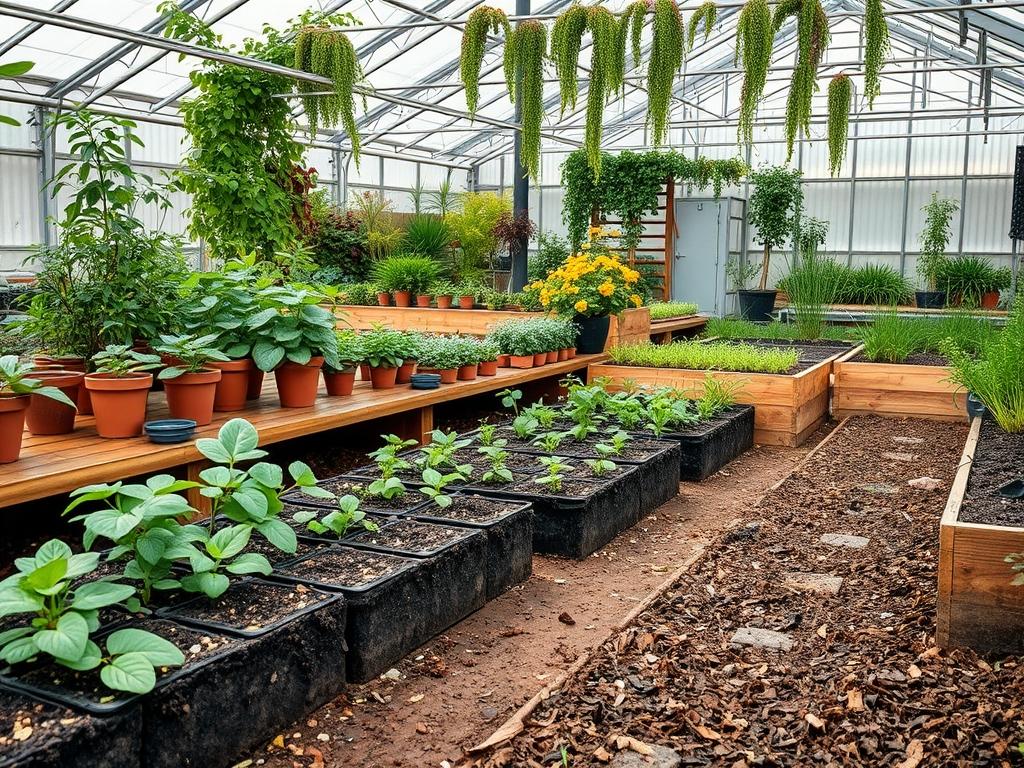
Maintaining a high-end landscape requires more than just a spatial eye; it demands an understanding of the biological stressors that can undermine a designer’s vision. When we design for curb appeal and functionality, we often introduce dense plantings or specific microclimates that, while beautiful, become breeding grounds for fungal pathogens. Professional consultants prioritize preventative care to ensure that the structural integrity of the flora remains intact. One of the most effective tools in the organic arsenal for preserving these living assets is sulfur. Understanding sulfur spray benefits allows a property owner to control powdery mildew, rust, and leaf spot without introducing harsh synthetics that damage soil health or beneficial insect populations. This approach balances the aesthetic goals of the landscape with the ecological necessity of organic disease control.
Effective landscaping begins with a thorough site analysis including soil pH, drainage patterns, and solar orientation. In temperate regions, moisture often lingers in the lower elevations of a yard, creating high-humidity zones that attract fungi. By integrating sulfur as a topical treatment, homeowners can mitigate these risks while maintaining a lush, green environment. The goal is to create an outdoor living space that serves as an extension of the home, where every plant thrives because the underlying environmental science has been addressed. We look at the interplay between the hardscaping elements, such as retaining walls and natural stone walkways, and the biological elements that frame them.
Landscape Design Principles
Successful landscape architecture relies on six core principles: symmetry, focal points, elevation layers, irrigation planning, walkways, and visual balance. Symmetry provides a sense of formal order, often achieved through mirrored plantings of Boxwoods or Arborvitae along an entrance. However, dense symmetrical plantings can restrict airflow, which is where understanding sulfur spray benefits becomes critical for organic maintenance. Focal points, like a multi-stem River Birch or a customized water feature, draw the eye and dictate the flow of the garden.
Elevation layers add depth and character to a flat lot. By using retaining walls or earthen berms, a designer can create distinct “rooms” within the outdoor space. These changes in height also facilitate better drainage. Proper irrigation planning is equally vital; over-watering the canopy of a plant can lead to significant disease issues. Designers should utilize drip irrigation to deliver moisture directly to the root zone, keeping the foliage dry. If moisture does collect on leaves, a routine application of Sulfur Spray acts as a protective barrier, preventing fungal spores from germinating on high-value ornamental species. Finally, visual balance ensures that no single part of the landscape feels heavy or cluttered, allowing for a harmonious transition between the built environment and nature.
Plant and Material Selection
| Plant Type | Sun Exposure | Soil Needs | Water Demand | Growth Speed | Maintenance Level |
| :— | :— | :— | :— | :— | :— |
| Hybrid Tea Rose | Full Sun | Rich, well-drained | High | Moderate | High (Disease Prone) |
| English Boxwood | Part Shade | Calcareous, loamy | Medium | Slow | Moderate |
| Dwarf Panicle Hydrangea | Sun to Part Shade | Moist, fertile | High | Fast | Low |
| Japanese Maple | Filtered Sun | Slightly acidic | Medium | Slow | Medium |
| Creeping Thyme | Full Sun | Sandy, poor soil | Low | Moderate | Very Low |
| Eastern Red Cedar | Full Sun | Adaptable/Dry | Low | Fast | Low |
| Peonies | Full Sun | Deep, organic matter | Medium | Moderate | Moderate |
Implementation Strategy
Planning a garden layout requires a systematic approach to ensure long-term viability. The first step is grading. The ground must slope away from any structures at a minimum of a 2 percent grade to prevent foundation dampness and root rot. Once the site is graded, designers mark out the locations for hardscaping elements like pavers and landscape edging. Edging serves as a clean transition between turf and garden beds, preventing grass encroachment while defining the visual borders.
Next comes the soil preparation. Amending the soil with organic compost improves structure and nutrient availability. For most ornamental beds, a 3 inch layer of hardwood mulch is standard to retain moisture and suppress weeds. When it is time for planting, ensure the root flare of each tree is visible above the soil line; burying a plant too deep is a common cause of premature decline. After the plants are in the ground, a preventative spray program should be established. One of the primary sulfur spray benefits is its ability to act as both a fungicide and a miticide. In the early spring, applying a diluted sulfur solution to Roses, Lilacs, and Fruit Trees creates an acidic environment on the leaf surface that is inhospitable to spores. This is a proactive step in a professional-grade organic maintenance plan.
Common Landscaping Failures
The most frequent error in professional landscaping is improper drainage. When water pools around the base of a plant, it leads to anaerobic conditions that suffocate roots. Professional architects counteract this with French Drains or dry creek beds designed to channel runoff. Another common failure is root overcrowding. It is tempting to plant for “instant impact” by placing shrubs too close together. This creates a dense wall of foliage that prevents air circulation, leading to humidity spikes and fungal outbreaks.
Improper spacing also affects irrigation efficiency. If a sprinkler head is blocked by a fast-growing shrub, other areas of the landscape will suffer from drought stress. Soil compaction is a hidden killer in new constructions. Heavy machinery often packs the earth so tightly that roots cannot penetrate. This requires mechanical aeration or the addition of coarse sand and organic material to restore porosity. Finally, “volcano mulching,” which is the practice of piling mulch against the trunk of a tree, must be avoided. This traps moisture against the bark, leading to rot and providing a highway for wood-boring insects.
Seasonal Maintenance
Landscape management is a year-round commitment. In the spring, the focus is on cleanup and prevention. This is the optimal window to apply Sulfur Spray to emerging foliage. One must be careful, however; never apply sulfur if the temperature is expected to exceed 80 degrees Fahrenheit, as it can burn the leaves. Additionally, sulfur should not be used within two weeks of an oil-based spray application.
Summer maintenance shifts toward irrigation management and deadheading. As the heat rises, monitoring the moisture levels in the top 2 inches of soil is essential. For organic disease control, mid-summer is when powdery mildew is most aggressive. Continuing a regular sulfur routine during cooler evening hours can keep the foliage spotless. In the autumn, the priority is sanitation. Removing fallen leaves and spent annuals reduces the number of pathogens that overwinter in the soil. Final applications of sulfur can be used on dormant shrubs to kill off mite eggs. Winter is the time for structural pruning. While the plants are dormant, use sharp Pruning Shears to remove dead or crossing branches, which improves the overall health and “bone structure” of the landscape for the following year.
Professional Landscaping FAQ
How does sulfur spray benefit organic gardens?
It provides an effective, OMRI-listed solution for controlling fungal diseases like powdery mildew. By lowering the surface pH of leaves, sulfur prevents spore germination. It also serves as a miticide, controlling spider mites without the use of synthetic neurotoxins.
Can I use sulfur spray on all landscape plants?
While broad-spectrum, sulfur can be “phytotoxic” to certain species. Avoid using it on “sulfur-shy” plants like Apricots, Cucurbits, or certain Grapes. Always test a small area first and ensure temperatures are below 80 degrees Fahrenheit to prevent foliage damage.
What is the best way to improve landscape drainage?
Identify the low points where water collects. Installing a French Drain or a rain garden planted with water-loving species like Sedge or Iris can manage runoff. Ensure the site has a consistent 2 percent grade away from the home.
Why is mulch thickness important for plant health?
A 3 inch layer of mulch is the industry standard. It regulates soil temperature, conserves water, and prevents weed growth. However, excessive mulch can prevent oxygen from reaching the roots or cause water to run off the surface instead of soaking in.
How often should I apply sulfur for disease control?
For preventative maintenance, every 7 to 10 days is typical during the peak growing season. If heavy rain occurs, reapplication is necessary as the sulfur can wash off. Always follow the specific concentration instructions on the product label for the best results.