
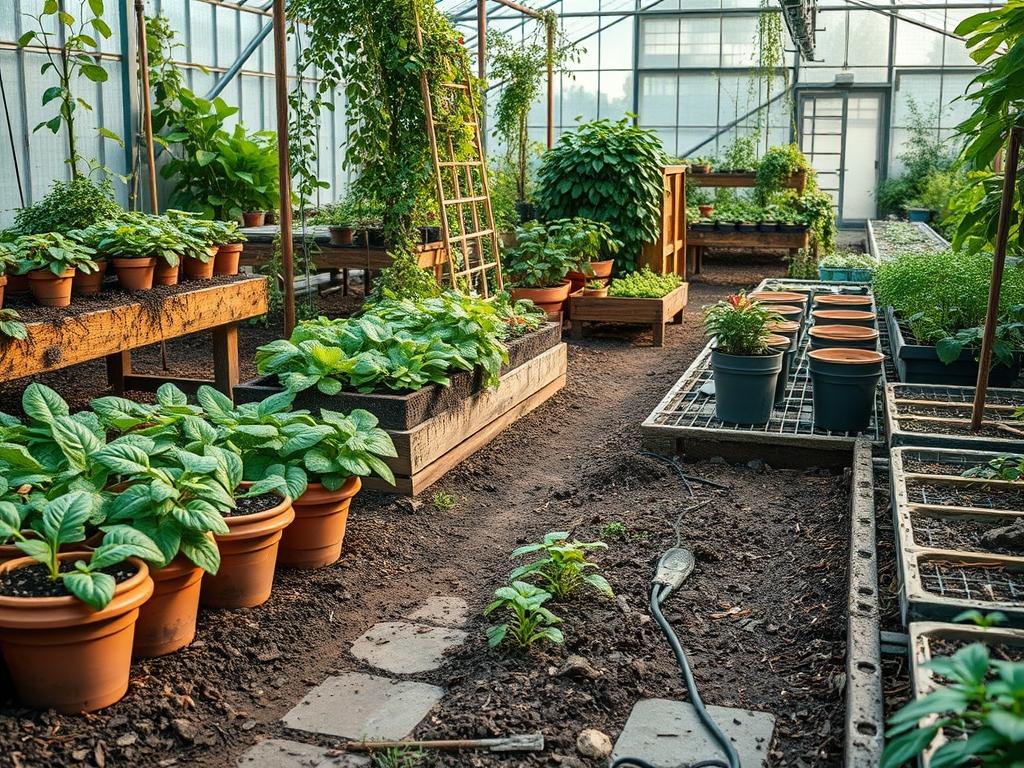
Achieving a sophisticated landscape requires a meticulous balance between aesthetic vision and botanical health. For the modern landscape architect, the challenge lies not only in selecting high-value specimens but also in protecting them from the environmental stressors that define various microclimates. Fungal pathogens, ranging from powdery mildew to late blight, represent a significant threat to the curb appeal and structural integrity of a professional installation. While copper based treatments are among the most effective preventative measures available, Copper Fungicide Safety is a critical consideration for any outdoor environment consultant. Improper application can lead to phytotoxicity, soil toxicity, or the accidental staining of expensive hardscape materials. Integrating these treatments into a comprehensive garden plan ensures that the functionality and visual impact of the space remain uncompromised throughout the year.
Landscape Design Principles
Professional design begins with an understanding of spatial dynamics and biological requirements. Symmetry is a powerful tool in formal landscapes, often utilizing rows of Boxwood or Arborvitae to create clean lines and architectural rhythm. However, from a health perspective, symmetry must be balanced with airflow. Stagnant air pockets between dense hedges create high humidity zones where fungal spores thrive. We design with intentional spacing, ensuring that even in symmetrical layouts, there is enough room for prevailing winds to move moisture away from the foliage.
Focal points, such as a large Japanese Maple or a bespoke water feature, serve as the anchor of the environment. These high value specimens are often the most susceptible to fungal leaf spots. To mitigate this risk, elevation layers are employed to keep the canopy from becoming a monolithic trap for moisture. By layering shorter perennials like Hostas under taller shrubs and then transitioning to canopy trees, we facilitate a vertical gradient of air movement. Irrigation planning is equally vital; we prioritize drip systems over overhead sprinklers to keep water off the leaves entirely. This strategic planning reduces the frequency with which copper fungicides must be applied, aligning with a sustainable safety protocol.
Plant and Material Selection
Selecting the right plant for the right location is the first line of defense against disease. The following table outlines common landscape components and their specific requirements for a successful, low stress installation.
| Plant Type | Sun Exposure | Soil Needs | Water Demand | Growth Speed | Maintenance Level |
| :— | :— | :— | :— | :— | :— |
| English Boxwood | Part Sun | Loamy, pH 6.5 | 2.0 inches weekly | Slow | High |
| Hydrangea Macrophylla | Morning Sun | Rich, moist soil | 3.0 inches weekly | Medium | Moderate |
| Lavender | Full Sun | Sandy, alkaline | Low | Fast | Low |
| American Holly | Full Sun to Shade | Acidic, well-drained | Moderate | Medium | Low |
| Dwarf Alberta Spruce | Full Sun | Moist, acidic | Moderate | Very Slow | High |
| Crepe Myrtle | Full Sun | Variable, adaptable | Moderate | Fast | Moderate |
When sourcing materials, we also consider the interaction between chemistry and hardscaping. Copper fungicides contain fixed copper or copper sulfates which are highly effective but can leave a blue or green residue on Limestone or Sealed Concrete. In areas with extensive stonework, the selection of disease resistant cultivars is preferred to minimize the need for chemical intervention.
Implementation Strategy
The transition from a design blueprint to a physical garden requires a phased approach focused on the long term stability of the site. Grading is the first and most crucial step. We use laser levels and transit levels to ensure the site slopes at a minimum of 2 percent away from the home foundation and primary planting beds. Proper grading prevents the standing water that serves as a breeding ground for fungal pathogens and root rot.
Once the grade is established, we outline walkways and garden beds using steel edging or poured concrete curbs. These boundaries are not merely aesthetic; they prevent the migration of mulch and soil into drainage channels. For the planting process, we utilize a professional grade auger or trenching spade to dig holes twice as wide as the root ball. Before backfilling with a mix of native soil and organic compost, we assess the need for a preventative dormant spray. Applying a copper fungicide during the late winter or early spring, before the buds break, is a staple of Copper Fungicide Safety. This timing prevents the chemical from coming into contact with sensitive new growth, which is most vulnerable to copper burn.
Finally, we apply a consistent layer of hardwood mulch or pine bark at a depth of 3.0 inches. This mulch serves as a barrier, preventing fungal spores in the soil from splashing onto plant leaves during heavy rain events. It also regulates soil temperature and moisture, reducing the environmental stress that often makes plants more susceptible to infection.
Common Landscaping Failures
The most frequent failure in high end landscaping is improper drainage. Even the most expensive specimens will succumb to root rot or fungal wilt if the root zone is chronically saturated. If the site does not allow for natural runoff, we install a French drain or a dry creek bed using river rock and filter fabric to manage excess volume.
Root overcrowding is another common error. Designers often plant for immediate “fullness” to please clients, but this leads to a lack of light penetration and air circulation within three to five years. When plants are too close, the foliage remains wet for extended periods, necessitating more aggressive use of copper sprays. Improper spacing also makes it difficult to apply fungicides safely, as the overspray from one species might damage a more sensitive neighbor.
Soil compaction is a silent killer in new constructions. Heavy machinery often crushes the soil structure, leaving no room for oxygen. We use subsoil rippers or aerators to break up these layers before any planting occurs. Without this step, even the most rigorous maintenance schedule cannot save the landscape from eventual decline.
Seasonal Maintenance
Landscape management is a year round commitment that shifts with the biology of the plants. In spring, the focus is on prevention. We apply copper fungicide to emerging foliage only when the weather is cool and dry. It is essential to avoid application when temperatures exceed 85 degrees Fahrenheit, as the heat causes the copper to become more reactive, potentially scorching the leaves.
Summer maintenance involves monitoring and irrigation management. We use soil moisture sensors to ensure the landscape receives targeted hydration. If a fungal outbreak occurs during the heat of summer, we pivot to less aggressive treatments or utilize copper soaps, which are generally safer in higher temperatures.
Autumn is the season for sanitation. We remove and dispose of all fallen leaves and diseased fruit using leaf blowers and rakes. Leaving infected debris on the ground allows fungal spores to overwinter and re-infect the garden the following year.
Winter is the ideal time for structural pruning and dormant oil applications. We use bypass pruners and loppers to thin out the interior branches of dense shrubs. This increases the efficacy of future fungicide applications by allowing the spray to penetrate the center of the plant. A final dormant application of copper in late winter provides a clean slate for the upcoming growing season.
Professional Landscaping FAQ
What is the primary benefit of copper fungicides?
They provide a protective barrier on the leaf surface that prevents fungal spores from germinating. Unlike systemic fungicides, copper acts as a broad spectrum preventative that is highly effective against both bacteria and fungi when applied correctly during the dormant season.
How do I avoid staining my patio with copper sprays?
Always apply fungicides on calm days to minimize wind drift. Use a handheld sprayer with a shielded nozzle near hardscapes. If accidental contact occurs, rinse the stone or concrete immediately with a high volume of water to prevent the copper from oxidizing.
Can copper fungicide be used on all garden plants?
No, certain species are highly sensitive. Plants such as Geraniums, Ivy, and some varieties of Maple can suffer from phytotoxicity. Always test a small area first and refer to the product label for a comprehensive list of sensitive species before full application.
How often should copper be applied to the landscape?
Application frequency depends on rainfall and disease pressure. Generally, a schedule of every 7 to 14 days is recommended during wet spring weather. However, Copper Fungicide Safety dictates that you must never exceed the maximum annual load specified on the product label.
Does copper fungicide affect soil health?
Repeated, heavy applications can lead to copper accumulation in the soil, which may inhibit beneficial microbial activity. We recommend using copper as part of an Integrated Pest Management strategy, combining it with cultural practices like proper spacing and pruning to reduce chemical reliance.