
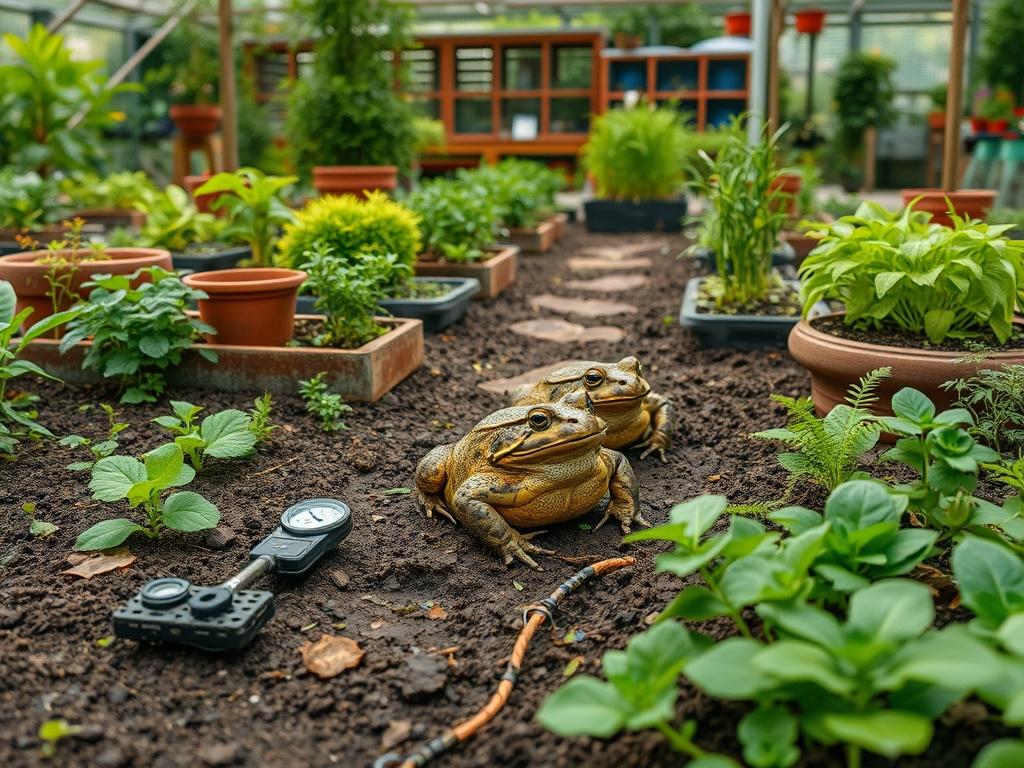
Landscape architecture often focuses on the visual harmony between structural elements and plant life; however, true outdoor functionality requires a deeper understanding of the biological systems that maintain health within the soil and vegetation. One of the most significant challenges in modern landscape design is the management of pests without resorting to synthetic chemicals that degrade soil quality and hinder curb appeal over time. Integrating a strategy to attract Beneficial Toads in Gardens serves as a permanent, natural solution for pest control. These amphibians are high-capacity predators that consume beetles, slugs, and snails, providing a service that many homeowners spend thousands of dollars on via quarterly chemical applications. Designing for these creatures requires a shift in perspective, where the designer balances crisp architectural lines with the micro-habitats necessary for amphibian survival.
Climate plays a pivotal role in this design process. In drier regions, the implementation of moisture-retention zones and sophisticated Irrigation systems is mandatory to provide the cool, damp environments these animals require. In more humid climates, the challenge lies in managing Drainage to ensure that while the environment remains hospitable, it does not become a breeding ground for unwanted insects or fungal pathogens. A well-planned garden that supports biodiversity is not merely an ecological choice; it is a premium landscape feature that enhances the longevity of the plant material and creates a self-sustaining environment. By using specific Grading techniques and materials like Natural Fieldstone, a consultant can create a landscape that is both visually stunning and biologically productive.
Landscape Design Principles
Successful garden planning relies on the principle of elevation layers. For a landscape to function as a habitat for Beneficial Toads in Gardens, the designer must move beyond the flat grass lawn. We utilize a tiered approach that starts with the subterranean level and moves through ground cover, the shrub layer, and finally the canopy. This layering provides the thermal regulation these amphibians need during the heat of the day. Symmetry can still be maintained through the use of Geometric Planters or Structured Hedgerows, but the interior of these zones should mirror the complexity of a natural woodland floor.
Focal points should be used to anchor the design. A High-Efficiency Fountain or a Basalt Column Water Feature serves a dual purpose: it acts as a visual center for the yard while providing necessary hydration for the ecosystem. Visual balance is achieved by grounding these water features with Large Boulder Placements. These stones serve as thermal masses, soaking up heat during the day and providing crevices for toads to hide in during the night. Walkways should be designed with permeable materials such as Decomposed Granite or Flagstone set in sand rather than concrete. This allows for moisture to penetrate the ground, keeping the sub-soil damp and accessible for moisture-seeking wildlife.
Plant and Material Selection
The following selection of material focuses on durability, aesthetic appeal, and the specific needs of a healthy amphibian population.
| Plant Type | Sun Exposure | Soil Needs | Water Demand | Growth Speed | Maintenance Level |
| :— | :— | :— | :— | :— | :— |
| Ostrich Fern | Full Shade | Rich, Moist | High | Medium | Low |
| Hostas | Partial Shade | Well-Drained | Moderate | Fast | Low |
| Creeping Jenny | Full to Part Sun | Wet, Loamy | High | Very Fast | Moderate |
| Wild Ginger | Full Shade | Humus-Rich | Moderate | Slow | Low |
| Lenten Rose | Part Shade | Alkaline/Neutral | Moderate | Slow | Low |
| Dwarf Mondo Grass | Part Sun/Shade | Standard Potting | Moderate | Slow | Very Low |
In addition to plant material, the choice of substrate is vital. Dark Hardwood Mulch is superior to shredded cedar for these environments, as it breaks down into a rich organic layer that supports the invertebrates that toads eat. Avoid using Cocoa Bean Mulch, as the smell and chemical composition can be detrimental to small sensitive organisms.
Implementation Strategy
The implementation phase begins with a precise Site Survey and the establishment of a Grading Plan. To facilitate an environment for Beneficial Toads in Gardens, you should identify the low-lying areas of the property. If the site is too flat, use a Mini-Excavator to create gentle swales. These swales should be lined with a Geotextile Fabric and topped with River Rock. This creates a dry creek bed effect that captures runoff during rain events and provides a damp refuge during dry spells.
Next, focus on the Hardscaping. Use Natural Limestone to build Retaining Walls with “weep holes” or open joints. Do not use mortar for every joint; leaving small, 2-inch gaps between some of the lower stones allows toads to find shelter from predators and extreme temperatures. Once the structure is in place, install a Drip Irrigation System. This is more effective than overhead spray because it delivers water directly to the root zones and keeps the soil surface moist without wasting water through evaporation.
When laying down Mulch, aim for a depth of at least 3 inches. This thickness is essential for moisture retention and to allow the toads to burrow slightly if needed. Edging should be done with professional-grade Steel Edging or Paver Restraints to keep a clean line between the habitat zones and the manicured lawn areas. This creates the “crisp edge” look that defines high-end landscape architecture while protecting the integrity of the planting beds.
Common Landscaping Failures
One of the most frequent errors I see in residential projects is the over-compaction of soil during the construction phase. Using heavy machinery like a Skid Steer over the entire garden area crushes the soil structure, eliminating the air pockets necessary for drainage and healthy root growth. Without these pockets, the ground becomes like concrete, making it impossible for beneficial life to thrive. Always use Aeration Tools after the heavy work is completed to restore the soil profile.
Another failure is the improper spacing of plants. Homeowners often want “instant gratification” and plant too closely together. As the plants mature, they compete for nutrients and light, leading to a thinning of the lower foliage. For Beneficial Toads in Gardens, the lower foliage is the most important part of the plant, as it provides the “ceiling” for their habitat. Following the recommended Center-to-Center Spacing on the landscape blueprint is critical for long-term health. Lastly, the misuse of Irrigation Timers—specifically watering for short bursts every day—leads to shallow root systems and dry sub-soils. It is much better to water deeply once or twice a week to encourage deep moisture penetration.
Seasonal Maintenance
Landscape management is a year-round commitment. In the spring, focus on cleaning out any debris that has clogged your Drainage Grates or French Drains. This ensures that spring rains do not cause localized flooding that could wash away your Mulch or drown the early-season inhabitants. This is also the time to apply a Pre-emergent Fertilizer to the lawn areas, but keep these chemicals at least 5 feet away from the designated habitat beds.
During the summer months, the priority shifts to moisture management. Check your Drip Emitters to ensure they are not clogged with mineral deposits. If the weather is particularly hot, a light evening misting of the rock features can help lower the ambient temperature of the garden. In autumn, resist the urge to “over-clean” the garden. Leaving a thin layer of leaf litter in the back corners provides essential insulation for toads as they prepare for dormancy.
In winter, the landscape’s structural elements are on full display. This is the best time to prune larger trees and shrubs with Bypass Pruners to maintain the desired silhouette. If you have a water feature, ensure you use a Submersible De-icer if you live in a climate where the water might freeze solid. Keeping a small area of liquid water allows for gas exchange and supports the survival of any wildlife that remains active or dormant near the water source.
Professional Landscaping FAQ
How do I build a toad shelter that looks professional?
Use an Upside-down Terracotta Pot buried halfway into the soil, or create a small cavern using Flagstone scraps hidden behind larger plants. This provides a safe, dark environment that blends seamlessly into the organic textures of your garden beds.
Will attracting toads bring snakes into my yard?
While any balanced ecosystem has predators, toads generally do not attract significant snake populations in managed urban landscapes. Maintaining a clean Mowed Border around your garden beds acts as a deterrent for many larger reptiles while keeping the focus on aesthetics.
Can I use a lawn service and still have toads?
Yes, but you must communicate with the technicians. Request the use of Organic Fertilizers and ensure that any liquid applications are kept strictly to the turfgrass, avoiding the Hardscaped Edges and the interior of the planting beds where amphibians reside.
What is the best water feature for a small space?
A Disappearing Fountain is the most efficient choice. It uses a buried Reservoir covered with decorative stone, providing moisture and the sound of running water without the maintenance and safety concerns associated with an open standing pool of water.
How do toads affect my garden’s curb appeal?
Beyond their invisible work as pest controllers, the presence of toads indicates a healthy, thriving environment. A garden that can support beneficial wildlife often looks more lush and vibrant because the plants are not being stressed by leaf-eating insects.