
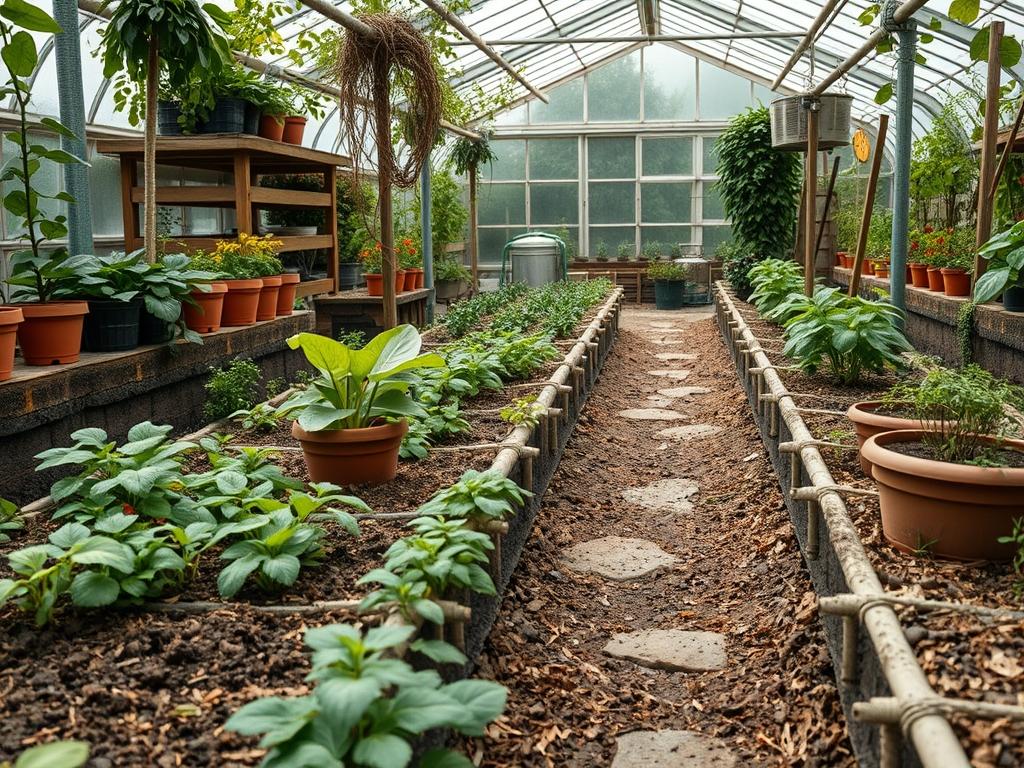
Maintaining a high level of curb appeal while ensuring a functional outdoor space requires a delicate balance of biological understanding and structural engineering. When homeowners and developers envision their ideal garden, the focus often lands on vibrant flora and pristine hardscaping. However, the foundational layers beneath the surface often dictate the long-term success of the project. One of the most debated topics in contemporary landscape architecture is the use of geotextiles, commonly known as landscape fabric. While it is frequently marketed as a permanent solution for weed suppression, its impact on the soil ecosystem and the potential for harboring Landscape Fabric Pests can transform a low-maintenance dream into a complex management challenge. Professional site planning must account for how these materials affect drainage, soil respiration, and the eventual migration of invasive species that can compromise the integrity of the design.
Effective landscaping goals revolve around creating a sustainable environment that matures gracefully over time. This involves more than just selecting beautiful plants; it requires a strategy for grading, moisture control, and nutrient cycling. Landscape fabric is often introduced at the installation phase as a barrier between the soil and the topical mulch or stone. While it provides an immediate visual clean slate, its long-term presence can disrupt the natural interaction between the atmosphere and the rhizosphere. Over several seasons, the accumulation of organic matter on top of the fabric creates a secondary soil layer. This new medium allows windblown seeds to germinate above the barrier, where their roots eventually penetrate the weave, making them far more difficult to extract than if they were growing in loose, open soil.
Landscape Design Principles
A successful landscape design relies on key principles such as symmetry, focal points, and elevation layers to guide the eye and define the space. Symmetry provides a sense of formal order, often achieved through mirrored plantings or balanced Retaining Walls. When planning a layout, the designer must consider the verticality of the site. Using various elevation layers, such as raised beds or terraced slopes, adds depth and prevents a flat, uninteresting visual plane. These layers also serve a functional purpose by managing surface runoff and directing water toward established French Drains or rain gardens. Visual balance is not just about the horizontal layout; it is about the weight of various materials, from the density of Boxwood hedges to the airy texture of ornamental grasses.
Focal points function as the anchor for the entire environment. A sculptural element, a specimen tree, or a central water feature can draw attention and give the garden a sense of purpose. Around these focal points, the integration of walkways and paths determines how a person experiences the space. Standard walkway widths of 36 to 48 inches allow for comfortable movement, while carefully planned transitions between hardscape and softscape prevent the design from feeling fragmented. Irrigation planning must be integrated into this initial phase, ensuring that Drip Tubing or spray heads are positioned to reach root zones without interfering with the structural integrity of pavers or edging.
Plant and Material Selection
The choice of vegetation must be informed by the specific microclimate of the site, including sun exposure and soil composition. When using landscape fabric, it is critical to select plants that can tolerate the slightly modified soil conditions the barrier creates.
| Plant Type | Sun Exposure | Soil Needs | Water Demand | Growth Speed | Maintenance Level |
| :— | :— | :— | :— | :— | :— |
| Dwarf Fountain Grass | Full Sun | Well-drained | Moderate | Fast | Low |
| Japanese Maple | Partial Shade | Loamy/Acidic | Moderate | Slow | Medium |
| Lavender | Full Sun | Sandy/Rocky | Low | Medium | Medium |
| Hostas | Full Shade | Rich/Moist | High | Medium | Low |
| Hydrangea | Partial Sun/Shade | Moist/Well-drained | High | Fast | Medium |
| Coneflower | Full Sun | Poor to Average | Low | Fast | Low |
In addition to plants, material selection for the ground cover is vital. Double-Shredded Hardwood Mulch provides excellent moisture retention and slowly adds nutrients to the soil. However, when placed over fabric, it breaks down into a fine compost that can eventually clog the pores of the textile. For high-drainage areas, River Rock or Crushed Granite may be more appropriate, as these inorganic materials do not decompose, though they can still trap sediment over time.
Implementation Strategy
Planning a garden layout requires a step-by-step approach to ensure structural longevity. The process begins with professional grading. The soil must be sloped away from building foundations at a minimum of a 2 percent grade to ensure proper drainage. Once the rough grade is established, the installation of Steel or Plastic Edging defines the boundaries between turf and planting beds. This edging should be set deep enough to prevent the lateral spread of invasive grass rhizomes.
If the decision is made to install a geotextile, the soil surface must be cleared of all existing perennial weeds and large debris. The fabric is rolled out and secured using 6-inch Landscape Staples driven every 12 to 18 inches along the seams. When planting through the fabric, installers should cut an X-shaped slit rather than a large circular hole. This minimizes the amount of exposed soil and keeps the barrier tight around the base of the plant. After the plants are in the ground, a layer of mulch at a depth of 2 to 3 inches is applied. It is essential to avoid “mulch volcanoes” around the trunks of trees and shrubs, as this can lead to bark decay and provide a highway for Landscape Fabric Pests.
Common Landscaping Failures
The most significant failures in professional landscaping often stem from a misunderstanding of how materials interact with the environment over time. Drainage mistakes are common; if a fabric barrier is not highly permeable, it can cause water to sheet off the surface rather than soaking into the root zones. This leads to anaerobic soil conditions, where a lack of oxygen kills beneficial microbes and earthworms. Soil compaction is another frequent issue, particularly in high-traffic areas where owners rely on fabric to suppress weeds rather than addressing the underlying soil structure.
The issue of Landscape Fabric Pests is a primary concern for long-term maintenance. Slugs, snails, and earwigs find the dark, moist environment beneath the fabric to be an ideal breeding ground. Furthermore, small rodents like voles can tunnel under the cloth, shielded from predators like hawks or owls. These pests can chew on the root systems of expensive ornamental plants unnoticed until the plant begins to decline. Additionally, if the fabric is not covered with enough mulch, UV degradation will cause it to fray and break apart, leaving unsightly plastic strands throughout the garden. Improper spacing of plants at installation also leads to overcrowding, which reduces airflow and increases the likelihood of fungal diseases.
Seasonal Maintenance
Landscape management is a year-round commitment that changes with the seasons. In the spring, the focus should be on inspecting the integrity of the Landscape Staples and clearing away any debris that has accumulated over the winter. This is the time to apply a fresh, thin layer of mulch if needed and to check irrigation systems for leaks or clogged emitters.
Summer maintenance involves monitoring for moisture stress. Because landscape fabric can sometimes repel water if it becomes too dry or clogged with silt, it is important to verify that the soil beneath the barrier is actually receiving hydration. In the autumn, leaf removal is critical. If fallen leaves are left to rot on top of the fabric or mulch, they accelerate the creation of the “sediment layer” that allows new weeds to take root. Winter is the time for structural pruning of deciduous trees and checking any Retaining Walls for signs of shifting or frost heave. By maintaining a consistent schedule, the landscape architect ensures that the original design intent remains intact for years to come.
Professional Landscaping FAQ
What are the primary Landscape Fabric Pests to watch for?
The most common pests include voles, which tunnel beneath the barrier, and moisture-loving insects like slugs, earwigs, and crickets. These organisms thrive in the protected, humid microclimate created between the fabric and the soil surface.
Does landscape fabric eventually stop all weed growth?
No, it primarily prevents buried seeds from emerging. Over time, organic mulch decomposes on top of the fabric, creating a new seedbed for windblown weeds. These new weeds are often harder to remove as they anchor into the material.
How do I fix drainage issues caused by geotextiles?
If water pools on the surface, the fabric may be clogged or non-permeable. You can try aerating the area by puncturing the fabric or replacing it with a high-quality Non-woven Geotextile designed specifically for maximum water infiltration.
How deep should my mulch be over the fabric?
A depth of 2 to 3 inches is standard. Applying mulch too thinly exposes the fabric to UV damage, while applying it too thickly encourages weed growth on top of the barrier and can suffocate the underlying plant roots.
Can I use landscape fabric under a gravel driveway?
Yes, in hardscaping, a heavy-duty Woven Geotextile is essential. It acts as a stabilization layer, preventing the heavy gravel from sinking into the soft sub-soil while still allowing water to drain away from the drive surface.