
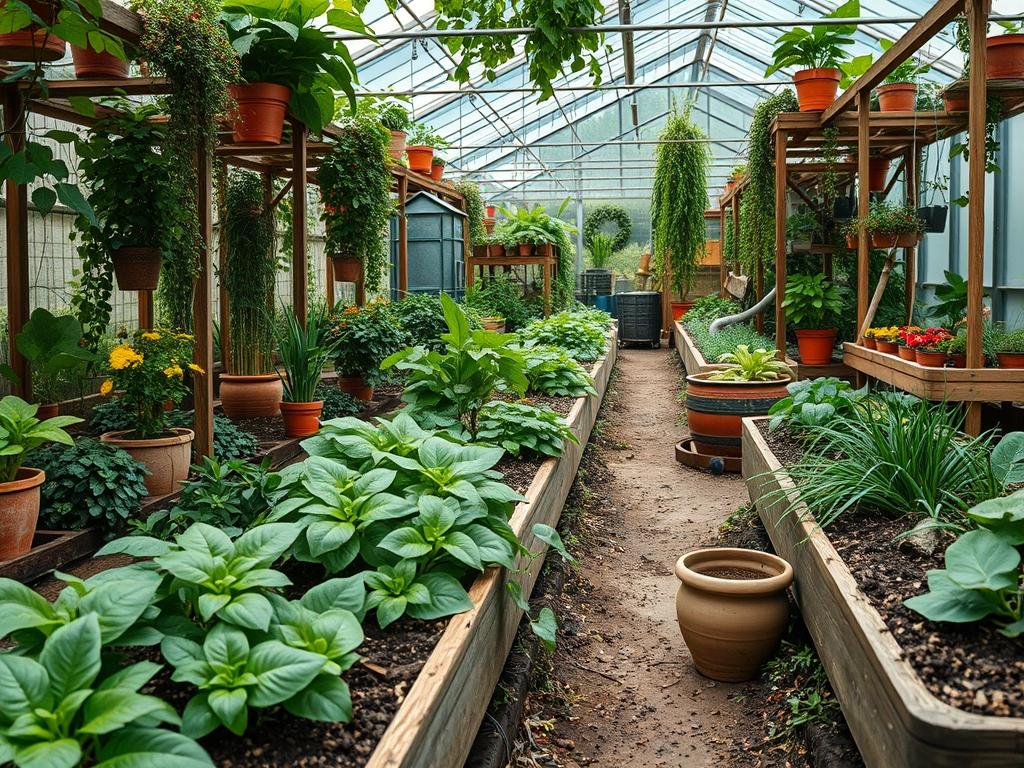
Modern landscape architecture frequently prioritizes aesthetic geometry over ecological function, yet the most successful outdoor environments are those that operate as self-sustaining ecosystems. The challenge for many homeowners is managing invasive insect populations, such as aphids, caterpillars, and beetles, without relying on synthetic chemical applications that can degrade soil quality and contaminate local groundwater. By shifting the design focus toward attracting pest-eating birds, a landscape consultant can help clients achieve a high-performance yard that balances curb appeal with natural biological control. This transition requires more than just hanging a feeder; it demands a strategic overhaul of the site’s structural layers, plant palettes, and water management systems. A garden designed for birds is inherently more resilient, offering a year-round visual interest that traditional, static landscapes often lack.
The integration of avian-friendly features serves a dual purpose by enhancing outdoor living functionality and increasing property value through mature, diverse plantings. When birds such as Bluebirds, Chickadees, and Nuthatches are invited into a workspace through intentional design, they act as mobile units of pest management, patrolling the canopy and ground layers for protein-rich insects. This biological service reduces the maintenance tail of a property, allowing the homeowner to enjoy a vibrant, active environment. To achieve this, the landscape architect must consider the site’s specific microclimate, ensuring that the selected materials and flora can withstand local temperature fluctuations while providing the necessary cover and forage for native bird species throughout the changing seasons.
Landscape Design Principles
Successful avian-focused design relies on the principle of vertical stratification. Just as a well-designed interior uses layers of lighting, a professional landscape uses elevation layers to create niches for different species. This begins with the canopy layer, consisting of large Oak trees or Maples, which provide high-altitude nesting sites and a broad hunting ground for larger insectivorous birds. Beneath this, an understory of smaller trees and large shrubs, such as Serviceberry or Dogwood, offers a transition zone for movement and protection. Symmetry can be maintained through the use of matched groupings or “weighted” planting beds that flank walkways, ensuring the yard looks intentional rather than overgrown.
Focal points are essential for both human enjoyment and bird utility. A Stone birdbath or a Tiered water fountain can serve as a primary visual anchor in a courtyard while providing the essential resource of clean, moving water. Visual balance is achieved by grounding these focal points with low-growing perennials and grasses. For irrigation planning, a professional-grade Drip irrigation system is preferred over oscillating sprinklers. Drip systems ensure that the root zones of native plants receive consistent moisture without creating excessive humidity in the foliage, which can lead to fungal issues that deter birds. Furthermore, walkways should be designed using permeable materials like Decomposed granite or Flagstone set in sand. These materials allow water to infiltrate the soil, maintaining the health of the subterranean ecosystem that supports the very insects birds love to eat.
Plant and Material Selection
The selection of plant material is the most critical phase of the design process. Native species are non-negotiable because they have co-evolved with local bird populations and the specific insects they consume. The following table outlines high-performance selections for a pest-reducing landscape.
| Plant Type | Sun Exposure | Soil Needs | Water Demand | Growth Speed | Maintenance Level |
| :— | :— | :— | :— | :— | :— |
| White Oak (Quercus alba) | Full Sun | Deep, acidic | Moderate | Slow | Low |
| Serviceberry (Amelanchier) | Full to Part Sun | Well-drained | Moderate | Medium | Medium |
| Purple Coneflower (Echinacea)| Full Sun | Loamy/Sandy | Low | Fast | Low |
| American Holly (Ilex opaca) | Part Shade | Rich, moist | Moderate | Slow | Low |
| Switchgrass (Panicum) | Full Sun | Diverse | Low | Fast | Low |
| Elderberry (Sambucus) | Full Sun/Part Shade | Moist, fertile | High | Fast | Medium |
Beyond flora, the hardware of the landscape matters. Using Galvanized steel edging provides clean lines that separate manicured turf from the wilder, bird-friendly zones. For mulch, avoid dyed “designer” barks; instead, use Arborist wood chips or Pine straw. These organic materials break down naturally, fostering a healthy population of ground-dwelling insects that attract Thrasher and Towhee species.
Implementation Strategy
Implementing a bird-centric landscape starts with precise site grading. Proper elevation ensures that water moves away from the home’s foundation while potential “wet zones” can be redirected into a localized Rain garden. This area can be excavated to a depth of 12 inches and backfilled with a mix of sand, compost, and topsoil to create a bio-retention cell. Once the grading is set, the installation of hardscaping begins. If the yard features slopes, Retaining walls built from Natural limestone or Interlocking concrete blocks can create level planting terraces, which improve water retention and provide birds with various vantage points.
When laying out the garden, use a 100-foot tape measure to ensure proper spacing according to the mature width of each shrub. Overcrowding is a frequent error that leads to poor air circulation. After the primary specimens are installed, apply a 3-inch layer of mulch across all planting beds to regulate soil temperature and suppress weeds. For drainage, ensure that any French drains or Catch basins are fitted with grates that do not trap small wildlife. Finally, the installation of Cedar nesting boxes should be done at specific heights, usually between 5 feet and 15 feet depending on the target species, and oriented away from prevailing winds to protect the inhabitants from storm surges.
Common Landscaping Failures
The most frequent mistake in bird-friendly landscaping is the “over-grooming” of the property. Homeowners often remove dead flower heads or fallen leaves too quickly. This practice eliminates the overwintering habitat for beneficial insects and the seed heads that feed birds during cold months. Another common failure is improper drainage planning. Puddling water in the wrong areas can lead to soil compaction and root rot, particularly in 2-gallon starter plants that have not yet established deep root systems.
Irrigation inefficiencies also plague many yards. Over-watering with high-pressure systems can strip the natural oils from bird feathers and drown the beneficial soil microbes. Furthermore, the use of Broad-spectrum insecticides is the quickest way to ruin a bird-attraction strategy. Even those labeled as “organic” can kill the very food source required to sustain a nesting pair of birds. Finally, failing to account for the root spread of large trees can lead to the displacement of Retaining walls or the cracking of Concrete walkways. Proper horizontal spacing, usually at least 10 feet from any permanent structure for medium trees, is essential for long-term structural integrity.
Seasonal Maintenance
Maintenance should be viewed through the lens of the four seasons. In the spring, focus on the “wake-up” of the garden. Inspect your Irrigation emitters for blockages and refresh mulch where it has thinned to less than 2 inches. This is also the time to clean out nesting boxes with a simple solution of water and vinegar. Summer maintenance involves “deadheading” certain perennials to encourage a second bloom, though some should be left to go to seed. Ensure that any water features are scrubbed weekly with a Stiff-bristle brush to prevent algae buildup and mosquito larvae development.
Autumn is the season for strategic “laziness.” Leave the stalks of Purple Coneflower and Sunflowers standing to provide winter forage. Instead of bagging all leaves, shred a portion of them with a Mulching mower and return them to the beds to enrich the soil. Winter is the ideal time for structural pruning. Use Bypass pruners to remove dead or diseased wood from trees while they are dormant. This is also when you should plan your next elevation changes or hardscape additions, as the lack of foliage allows for a clear view of the yard’s skeleton.
Professional Landscaping FAQ
Which bird species are the most effective at controlling common garden pests?
Bluebirds, Chickadees, and Wrens are exceptional. They consume thousands of insects, including caterpillars and beetles, during the nesting season. Providing high-quality nesting sites and diverse flora ensures these species remain on your property throughout their life cycles.
How deep should my mulch be to support a healthy bird population?
Maintain a depth of exactly 3 inches. This thickness suppresses weeds and retains moisture while creating a cool, dark environment for the ground-dwelling insects and larvae that birds like Robins and Thrashers hunt for daily.
Is moving water necessary for attracting birds, or is a still birdbath sufficient?
Moving water is significantly more effective. The sound of a drip or fountain can be heard from a distance, signaling a fresh resource. It also prevents mosquitoes from breeding, which protects the health of both the humans and birds.
Can I use professional fertilizers in a bird-friendly landscape design?
Use only Slow-release organic fertilizers or aged compost. High-nitrogen synthetic fertilizers can cause rapid, weak growth that attracts aphids. Organic options build soil structure and support the entire food web without introducing toxins into the avian diet.
What is the best way to prevent birds from hitting my large windows?
Incorporate tall shrubs or Understory trees within 3 feet of the glass. This breaks up reflections and encourages birds to slow down. Alternatively, use specialized UV-reflective decals that are visible to birds but nearly transparent to the human eye.