
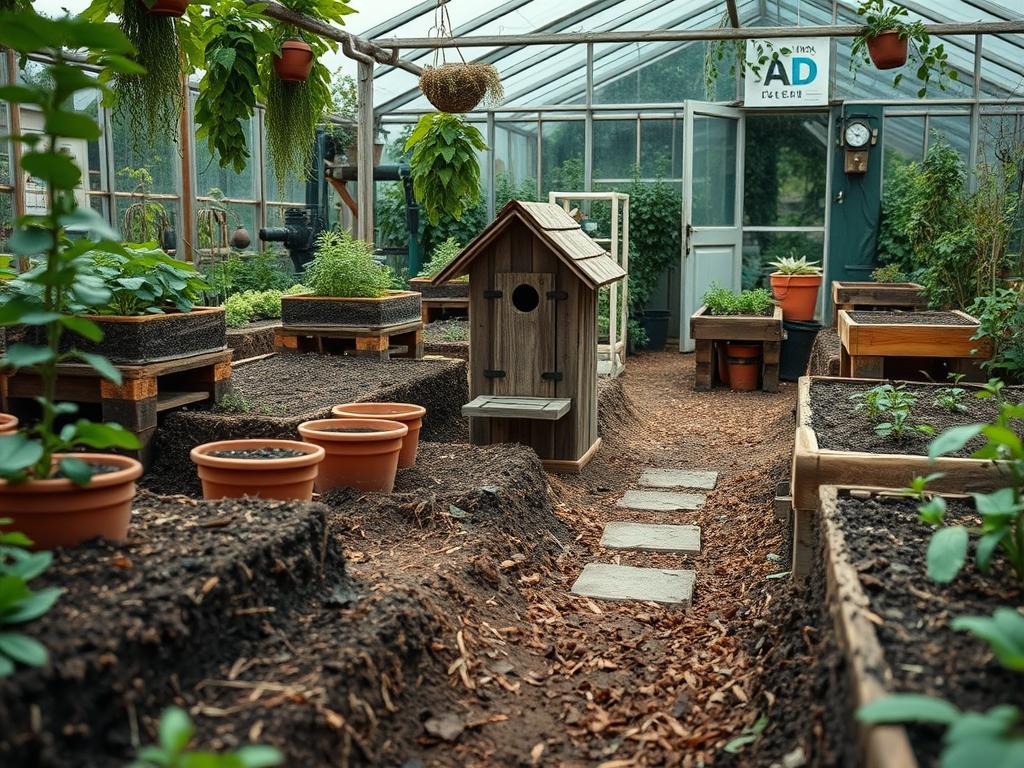
Effective mosquito control in a sophisticated landscape requires a transition from reactive measures to proactive ecological design. While many homeowners rely on chemical sprays or fogging systems, these methods often provide temporary relief and can inadvertently harm beneficial pollinators. As a Senior Landscape Architect, I prioritize the integration of biological controls that enhance both the functionality and the aesthetic value of an outdoor environment. Integrating specialized structures for native bats is one of the most efficient ways to manage insect populations naturally. However, the success of this approach depends entirely on how these structures are woven into the broader garden plan. Utilizing specific Bat House Placement Tips ensures that these predators remain on the property to hunt, transforming the backyard into a self sustaining ecosystem.
A successful landscape must balance curb appeal with utility. When planning for mosquito mitigation, the architect must consider the site topography, prevailing wind patterns, and existing microclimates. Stagnant air pockets often harbor pests, making it necessary to design for airflow while providing shelter for wildlife. Implementing a bat house is not merely about hanging a box; it involves engineering a habitat that meets rigorous thermal and safety requirements. If the placement is incorrect, the house will remain vacant, and the mosquito population will continue to thrive unchecked. By aligning these ecological needs with design principles like symmetry and focal points, we create a landscape that is both beautiful and biologically active.
Landscape Design Principles
Professional landscape design relies on a clear hierarchy of elements, starting with the site’s structural bones. In the context of mosquito control, symmetry and visual balance play a key role in how we position wildlife habitats. A bat house mounted on a 15 foot steel pole can serve as a vertical accent piece if placed thoughtfully within a garden bed. To maintain visual harmony, the mount should be balanced by other vertical elements such as columnar trees or architectural features. This prevents the bat house from appearing as a random or utilitarian afterthought.
Elevation layers are equally critical. Bats require a clear drop-off for take-off, necessitating a minimum of 20 feet of clearance from any nearby tree branches or wires. This requirement dictates the placement of the house in relation to the mid-story and canopy layers of the landscape. We often place these structures near the perimeter of a garden where they can overlook a water feature or an open lawn, providing the bats with an easy flight path.
Irrigation planning must also account for these additions. While bats are drawn to water sources for drinking and hunting, the area directly beneath the bat house should remain relatively dry to prevent the buildup of odors and to facilitate easy maintenance. By using a Laser Level to determine the highest point on the property, we can ensure the structure is situated away from low-lying drainage areas where water tends to pool.
Plant and Material Selection
The materials and vegetation surrounding a bat house influence its occupancy rates and the overall efficacy of your mosquito control strategy. To support a healthy bat population, we select plants that bloom at night, attracting the moths and beetles that bats feed on. This creates a focused hunting ground right where you need it most.
| Plant Type | Sun Exposure | Soil Needs | Water Demand | Growth Speed | Maintenance Level |
| :— | :— | :— | :— | :— | :— |
| Evening Primrose | Full Sun | Well-Drained | Low | Fast | Medium |
| Night-blooming Jasmine | Partial Shade | Loamy/Rich | Moderate | Moderate | High |
| Goldenrod | Full Sun | Sandy/Clay | Low | Fast | Low |
| Lavender | Full Sun | Gritty/Alkaline | Very Low | Slow | Medium |
| Moonflower | Full Sun | Fertile | Moderate | Very Fast | Low |
| White Oak | Full Sun | Deep/Acidic | Moderate | Slow | Low |
Beyond botanical choices, the materials used for the installation significantly impact the outcome. For the house itself, Western Red Cedar or Exterior-Grade Plywood are the industry standards due to their durability and thermal properties. The mounting hardware should be Galvanized Steel or Stainless Steel to prevent rust streaks from marring the appearance of the landscape over time. For the foundation of the pole, we utilize 4000 PSI Concrete to ensure the structure remains plumb despite wind loads and soil shifts.
Implementation Strategy
The actual installation of a bat-friendly landscape begins with precise grading and site preparation. First, we identify a location that receives at least 6 to 8 hours of direct sunlight daily. This is one of the most vital Bat House Placement Tips because bats require high internal temperatures to raise their young. Once the location is selected, we clear a 10 foot radius of tall vegetation to eliminate potential hiding spots for predators like owls or cats.
For a pole-mounted system, we excavate a hole at least 3 feet deep, depending on the local frost line. After the pole is set in concrete, we use a Transit Level to verify vertical alignment. This ensures that the structure contributes to the garden’s visual symmetry rather than detracting from it. Once the hardscaping is secure, we apply a 3 inch layer of Double-Shredded Hardwood Mulch around the base to suppress weeds and maintain soil moisture for the surrounding nocturnal plants.
We then establish clean edging using Steel Landscape Edging or Paver Borders to delineate the wildlife zone from more formal lawn areas. This creates a polished look that signals the bat house is a deliberate part of the design. Finally, we integrate the irrigation system, ensuring that Drip Emitters are positioned to support the night-blooming flora without spraying the bat house itself, which could lead to wood rot or temperature fluctuations.
Common Landscaping Failures
The most frequent error in wildlife-focused landscaping is the failure to account for drainage. If a bat house pole is installed in a low spot without a French Drain or proper soil grading, the constant moisture will destabilize the foundation and lead to leaning. Soil compaction is another significant issue. When heavy machinery is used during garden construction, the soil can become so dense that it prevents proper root growth for the very plants intended to attract the bats’ prey.
Improper spacing often ruins the functionality of a bat house. Homeowners frequently attempt to mount houses on trees, thinking it looks more natural. However, tree-mounted houses are highly vulnerable to predators and often lack the sun exposure required for heat retention. Furthermore, root overcrowding can occur if large trees are planted too close to the mounting site, eventually interfering with the necessary clearance for the bats’ flight path.
Irrigation inefficiencies also take a toll. Over-watering can lead to fungal issues in the nocturnal garden, while under-watering in high-heat zones can kill off the floral resources that support the insect population. A balanced approach using a Smart Irrigation Controller ensures that the landscape remains healthy enough to support the entire food chain, from the smallest moth to the bats themselves.
Seasonal Maintenance
Maintenance requirements fluctuate with the seasons, requiring a disciplined schedule to keep the landscape performing at its peak. In the spring, we inspect the mounting hardware for any signs of loosening due to freeze-thaw cycles. This is also the time to apply a fresh layer of Organic Compost to the night-blooming garden beds to jumpstart growth.
During the summer, the focus shifts to water management. We monitor the Soil Moisture Meter to ensure the plants stay hydrated during peak heat, which keeps the insect population stable for the bats. Any invasive weeds should be hand-pulled to avoid the use of herbicides that could discourage wildlife.
In the autumn, we perform a thorough cleanup of the landscape. We leave some leaf litter in the perimeter zones to provide overwintering habitat for beneficial insects. Winter is the time for structural repairs. Since bats have usually migrated or are hibernating elsewhere, we can safely clean the house using a Long-Handled Brush and warm water to remove any debris or wasp nests. This ensures the habitat is pristine and ready for the return of the colony in the spring.
Professional Landscaping FAQ
How high should a bat house be mounted?
For maximum occupancy, the house should be at least 12 to 20 feet above the ground. This provides bats with the necessary height to drop into flight while keeping them safe from ground-based predators like cats and raccoons.
Can I mount a bat house on my house?
Yes, mounting on a stone or brick building is an excellent option. These materials act as a thermal mass, absorbing heat during the day and radiating it at night, which helps maintain the warm internal temperature bats prefer for their nurseries.
What color should I paint the bat house?
The color depends on your local climate. In northern regions, a Dark Charcoal or Black finish helps absorb solar heat. In southern, hotter climates, a Light Tan or Medium Brown is better to prevent the chamber from overheating.
How long does it take for bats to move in?
It can take anywhere from a few months to two years. Following the best Bat House Placement Tips, such as ensuring proper sun exposure and proximity to water, will significantly increase your chances of attracting a colony during the first season.
Will bats interfere with my outdoor lighting?
Bats are adapted to the dark, but they often hunt near low-intensity lights that attract insects. To support their natural behavior, use Warm-Spectrum LED lighting in your landscape, which is less disruptive to their echolocation and hunting patterns.