
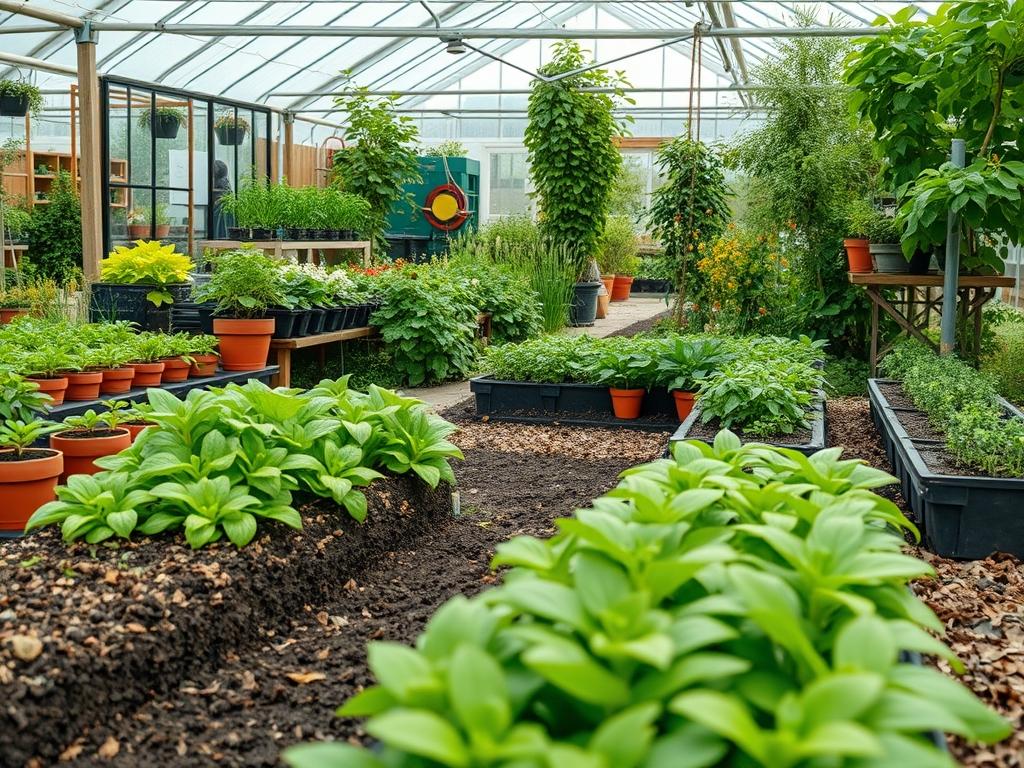
As the first signs of warmth penetrate the soil and ambient temperatures consistently reach the 50 degree Fahrenheit threshold, the landscape undergoes a metabolic awakening. For a professional landscape architect, this transition is the most critical window for ensuring the longevity of a multi-seasonal design. Early spring pest scouting serves as the foundational diagnostic phase of an integrated pest management strategy. If neglected, the investment in high-end hardscaping and curated horticultural specimens can be compromised by invasive species that thrive in the tender, succulent growth of a new season. Precision in scouting allows for the preservation of curb appeal and the protection of the outdoor living functional zones that clients value most. Effective landscape management requires a proactive eye, identifying potential infestations before they escalate into systemic failures that require costly removals and replacements.
The relationship between climate and pest emergence is precise. As soil moisture levels fluctuate due to spring rains, the risk of subterranean and foliar issues increases. A successful landscape is not merely a collection of plants; it is a living ecosystem that requires architectural oversight. When we plan a site, we consider the airflow around the foundation, the proximity of organic material to structures, and the drainage patterns that might attract wood-boring insects. By conducting a thorough walkthrough during the early budding stage, we can observe the health of focal points and ensure that the symmetry of formal hedges remains intact. This process ensures the structural integrity of the site remains unblemished throughout the peak summer entertaining months.
Landscape Design Principles
Successful landscaping is built on the pillars of symmetry, proportion, and focal points. In professional garden planning, we use elevation layers to create depth, placing shorter perennials in the foreground while anchoring the back with tall evergreens. This layering is not solely for aesthetic beauty; it is a vital strategy for plant health. By staggering heights, we improve air circulation, which is the first line of defense against fungal pathogens and moisture-loving pests. When designing a new installation, we must prioritize walkways and access points that allow for ease of maintenance and scouting. A garden that cannot be easily inspected is a garden that will eventually hide a crisis.
Visual balance is achieved by mirroring forms across a central axis, often utilizing retaining walls or distinctive flagstone paths to guide the eye. However, the architect must also consider irrigation planning during the design phase. Precision-placed drip emitters deliver water directly to the root zone, reducing the leaf wetness that attracts aphids and spider mites. We also utilize hardscaping elements to create physical barriers between different zones, which can help contain the spread of soil-borne pests. By integrating these principles, we create a resilient framework where every specimen tree and shrub massing has the space to thrive without competing for resources or becoming a vector for disease.
Plant and Material Selection
Choosing the right material for a specific microclimate is the most effective way to minimize the need for chemical interventions later. We select species based on their resistance to local pressures and their ability to provide year round structure. The following table outlines a selection of robust plants often used in high-end landscape designs that respond well to early spring monitoring.
| Plant Type | Sun Exposure | Soil Needs | Water Demand | Growth Speed | Maintenance Level |
| :— | :— | :— | :— | :— | :— |
| Boxwood (Buxus) | Full Sun to Shade | Well-Drained | Moderate | Slow | High (Pest Scout) |
| Eastern Red Cedar | Full Sun | Adaptable/Dry | Low | Medium | Low |
| Panicle Hydrangea | Part Sun | Rich/Moist | High | Fast | Moderate |
| Lavender (Phenomenal) | Full Sun | Sandy/Gritty | Low | Medium | Low |
| Japanese Maple | Filtered Sun | Loamy/Acidic | Moderate | Slow | Moderate |
| Switchgrass | Full Sun | Average | Low | Fast | Very Low |
| Catmint | Full Sun | Well-Drained | Low | Fast | Low |
When selecting these plants, we look for certified nursery stock to ensure the arrival of pest-free specimens. We also prioritize native plants, as they have evolved alongside local insect populations and often possess natural defenses that exotic varieties lack. Beyond the plants, the choice of mulch is equally important. Double-shredded hardwood mulch or pine bark nuggets provide a thermal layer for roots while suppressing weeds, but they must be applied at the correct depth of 2 to 3 inches to prevent creating a bridge for pests to reach tree trunks.
Implementation Strategy
The transition from a design on paper to a physical landscape requires a systematic implementation strategy. The process begins with grading. Proper site grading ensures that water moves away from the home foundation at a 2 percent slope, preventing the standing water that attracts mosquitoes and promotes root rot. Once the grade is established, we mark the locations for retaining walls and underground drainage systems. French drains and catch basins are installed to manage runoff, ensuring that the soil remains oxygenated and healthy for the upcoming planting phase.
Once the hardscape is in place, the planting begins with the largest specimen trees. We use a spade to dig holes twice the width of the root ball to encourage outward root expansion. After the trees and shrubs are situated, we install steel edging or poured concrete borders to define the beds and prevent turf grass from encroaching on the ornamental areas. The final step is the application of a pre-emergent herbicide and a clean layer of mulch. Throughout this implementation, we use a hand lens to inspect the undersides of leaves and the crevices of bark. Early detection of scale insects or spider mite eggs during the planting process allows for immediate treatment, saving the client the frustration of a failed installation.
Common Landscaping Failures
The most frequent failure in residential landscaping is the phenomenon of volcano mulching. This occurs when workers pile mulch high against the trunk of a tree, trapping moisture against the bark and creating a perfect environment for fungal decay and rodent damage. Another common mistake is root overcrowding. When plants are placed too close together to achieve an instant full look, they quickly outgrow their space. This lack of airflow leads to high humidity within the canopy, which signals an open invitation for powdery mildew and aphid colonies.
Irrigation inefficiencies also rank high among landscape failures. Oversaturating the soil through poorly timed automated systems can lead to soil compaction and anaerobic conditions. This stresses the plant, making it far more susceptible to secondary pest attacks. Furthermore, ignoring the drainage requirements of specific species often leads to localized flooding during spring storms. If a site does not have a clear path for water exit, the resulting boggy conditions will kill sensitive root systems, turning a beautiful focal point into a liability. Finally, the use of non-native invasive species can disrupt the local ecology, often bringing in new pests that have no natural predators in the area.
Seasonal Maintenance
Maintenance is an ongoing commitment to the landscape architecture. In the Spring, the focus is purely on early spring pest scouting, pruning any winter kill with bypass pruners, and applying a slow release granular fertilizer. This is the time to check for tent caterpillars and sawfly larvae before they can defoliate your specimens. As we move into Summer, the priority shifts to irrigation management. We monitor the output of sprinkler heads and ensure that water is reaching the root zone during period of high heat. We also deadhead spent blooms to encourage a second flush of flowers and maintain the aesthetic integrity of the design.
By Autumn, the focus turns to sanitation. We remove fallen leaves and debris that could harbor pests through the winter months. This is also the ideal time for core aeration and overseeding of the turf to maintain a dense, weed-resistant lawn. In the Winter, we focus on the structural elements of the garden. We inspect retaining walls for shifting due to freeze-thaw cycles and perform dormant pruning on deciduous trees. This winter pruning allows us to see the branching structure without the distraction of leaves, making it easier to identify and remove egg masses belonging to gypsy moths or spotted lanternflies.
Professional Landscaping FAQ
How often should I conduct pest scouting in the spring?
Walk through your landscape at least once a week during the early spring months. Focus on the undersides of new leaves and the joints of stems where small insects like aphids or thrips tend to congregate.
What is the best way to prevent root rot?
Ensure your landscape has a 2 percent grade away from structures. Use well-draining soil and avoid over-watering. Installing French drains in low spots can effectively move excess water away from sensitive plant root zones.
Can mulch attract pests to my house?
When applied correctly at a 3 inch depth and kept away from the direct foundation, mulch is beneficial. However, piling it against the siding can create a moist pathway for termites and carpenter ants to enter your home.
Why are my newly planted shrubs turning yellow?
This is often a sign of transplant shock or improper drainage. Check the soil moisture levels. If the soil is soggy, the roots may be suffused; if dry, the irrigation system may need adjustment for better coverage.
What tools do I need for basic landscape scouting?
Keep a 10x hand lens for magnifying small insects, a sharp pair of pruning shears for taking samples, and a notebook to track emergence dates. A soil moisture meter is also helpful for identifying irrigation issues.