
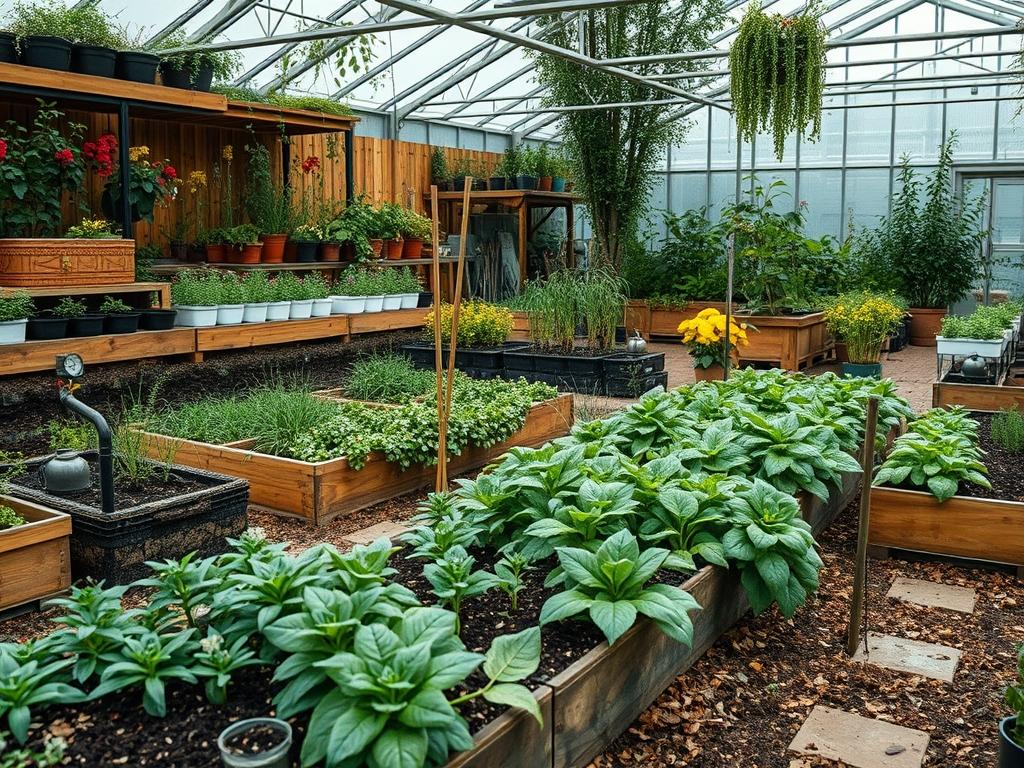
Landscaping is a delicate balance between aesthetic ambition and environmental management. As temperatures drop, the outdoor environment becomes a battlefield for survival. Many homeowners assume that cold weather simply eliminates insect and rodent populations; however, the reality is that pests utilize sophisticated winter survival tips to endure the frost. By understanding how the architecture of a garden provides insulation, moisture, and shelter, a landscape consultant can design spaces that maintain curb appeal while minimizing the risk of infestation. A well-planned landscape considers not just the visual impact during the peak blooming season, but also the structural integrity and biological activity of the site during the dormant months. Efficient drainage, strategic plant placement, and proper material selection are the primary defenses against pests seeking refuge near the home foundation.
The primary landscaping challenge in temperate climates is managing the microclimates created by various garden features. Stone walls, dense groundcovers, and heavy mulch layers provide the thermal mass and insulation that pests require to survive sub-zero temperatures. To mitigate this, a professional approach focuses on creating a clean transition between the softscape and the hardscape. This transition, often referred to as a “dry zone,” ensures that moisture does not collect against the building envelope. By prioritizing outdoor functionality and structural health, we can create a landscape that is both beautiful and resilient against the biological pressures of the winter season.
Landscape Design Principles
Effective landscape design relies on historical principles such as symmetry, focal points, and elevation layers to create a sense of order and purpose. Symmetry provides a framework that allows the eye to travel across the property, while focal points like a Specimen Tree or a Custom Fire Pit anchor the viewing experience. However, from a functional standpoint, these elements must be integrated with the site’s topography. Elevation layers are not merely for visual depth; they are essential for managing surface runoff. By using Retaining Walls and terraced planting beds, a designer can control the flow of water, preventing the stagnant pools that attract pests during the late autumn and early spring.
Irrigation planning is another pillar of professional design that directly impacts pest management. Over-saturation of the soil during the fall creates a humid environment in the sub-surface layers, which is ideal for overwintering larvae and beetles. Implementing a Smart Irrigation Controller ensures that the landscape receives only the necessary amount of hydration based on real-time weather data. Furthermore, the layout of walkways should facilitate easy access for maintenance while acting as a physical barrier for crawling insects. Using Polymeric Sand between Pavers prevents weeds and ants from establishing colonies in the gaps. Visual balance is achieved when these functional elements disappear into a cohesive aesthetic, creating a landscape that serves both the homeowner and the local ecology without inviting unwanted winter guests.
Plant and Material Selection
Selecting the right biological and mineral components is the most critical step in preventing pest survival. Native plants are generally more resistant to local pests and better adapted to the seasonal temperature swings. The following table highlights common selections that offer durability and manageable maintenance profiles.
| Plant Type | Sun Exposure | Soil Needs | Water Demand | Growth Speed | Maintenance Level |
| :— | :— | :— | :— | :— | :— |
| Dwarf Boxwood | Full Sun to Part Shade | Well-drained Loam | Moderate | Slow | Low |
| Switchgrass | Full Sun | Adaptable/Sandy | Low | Fast | Minimal |
| River Birch | Full Sun | Moist Acidic | High | Fast | Moderate |
| Creeping Juniper | Full Sun | Rocky/Poor Soil | Very Low | Medium | Minimal |
| Purple Coneflower | Full Sun | Well-drained | Moderate | Medium | Low |
| Japanese Yew | Shade to Part Sun | Rich/Well-drained | Moderate | Slow | Moderate |
When selecting materials like Hardwood Mulch or River Rock, consider the depth and placement. Triple-shredded Bark Mulch provides excellent insulation for plant roots but should never exceed 3 inches in depth. Excessive mulch creates a spongy, warm layer where rodents and insects can tunnel below the frost line. In areas immediately adjacent to the foundation, professionals recommend a 12 inch wide strip of Crushed Stone or Pea Gravel. This creates a “dead zone” that lacks the organic material and moisture necessary for pests to thrive during their winter dormancy.
Implementation Strategy
The execution of a landscape plan begins with proper grading. The soil must be sloped away from the foundation at a minimum of a 2 percent grade, which equates to a 1 foot drop for every 50 feet of distance. This prevents water from pooling against the basement walls, a common issue that leads to cracked foundations and interior pest entry. Once the grade is established, Edging should be installed to define the boundaries between lawns and planting beds. Steel Edging or Concrete Curbing provides a crisp line and prevents the encroachment of invasive rhizomes and burrowing insects.
In the backyard or garden layout, horizontal and vertical spacing is paramount. When planting Evergreen Shrubs, ensure they are placed at least 3 feet away from the siding of the house to allow for airflow and sunlight penetration. This gap is a vital part of winter pest survival tips, as it eliminates the bridge that pests use to transition from the garden to the home. For hardscaping, ensure that Base Rock is compacted to a depth of 6 inches using a Plate Compactor. This prevents the settling of stones, which can create voids where small mammals might nest during the winter months. Finally, applying a high-quality Geotextile Fabric under stone paths will further inhibit pest movement and weed growth.
Common Landscaping Failures
One of the most frequent errors in residential landscaping is the neglect of drainage. When Gutter Downspouts discharge water directly into a planting bed, the soil becomes anaerobic and overly saturated. This condition kills beneficial soil microbes and creates a sanctuary for moisture-loving pests like earwigs and silverfish. Another common mistake is root overcrowding. When plants are placed too close together, their root systems compete for oxygen and nutrients, leading to stressed plants that are more susceptible to infestations in the spring.
Improper spacing of trees and shrubs also leads to poor “site hygiene.” If the canopy of a Mapping Maple or Oak Tree overhangs the roofline, it provides a direct highway for squirrels and ants. Soil compaction is another silent killer of landscape health. Using heavy machinery during construction without subsequent Core Aeration leaves the soil dense and impermeable. This prevents deep root growth and forces pests to stay near the surface, where they are more likely to seek heat from the home. Lastly, irrigation inefficiencies, such as broken heads or mismatched nozzles, lead to uneven moisture distribution, creating “hot spots” of pest activity.
Seasonal Maintenance
Maintenance must be viewed as a year-round commitment rather than a spring-only activity. In the spring, focus on Core Aeration and the application of Pre-emergent Herbicides to stop weeds before they take hold. This is also the time to inspect the Irrigation System for leaks. During the summer, prioritize Deep Root Watering early in the morning to minimize evaporation and fungal growth. Mulch should be refreshed if it has thinned, but be careful not to build a “mulch volcano” around tree trunks, which traps moisture and invites wood-boring insects.
Autumn is the most critical time for pest prevention. Remove fallen Leaf Litter and dead perennials, as these organic piles are the primary locations where pests hide during the first frost. Cut back ornamental grasses to 6 inches and clear any debris from Drainage Grates. During the winter, the focus shifts to structural pruning and protection. Use Burlap Wraps on sensitive species to prevent winter burn, and keep an eye on the snow accumulation. Heavy snow should be cleared from the base of young trees to prevent mice and voles from girdling the bark under the snowpack. By following these seasonal guidelines, the landscape remains a controlled environment that discourages pests from settling in for the winter.
Professional Landscaping FAQ
How does mulch depth affect winter pest survival?
Mulch exceeding 3 inches creates a warm, moist insulation layer. This microclimate allows insects and rodents to survive extreme cold by nesting deep within the organic material, often leading them toward the warmth of the home foundation.
What is the best way to prevent pests from using trees as bridges?
Maintain a minimum clearance of 3 feet between the house and any overhanging branches. Pruning tree limbs back ensures that pests like squirrels and ants cannot easily leap or crawl onto the roof or siding during the winter.
Why is drainage important for pest control?
Poor drainage creates standing water and saturated soil. These conditions attract moisture-dependent pests and provide a liquid source that insects need. Proper grading and French Drains eliminate these hospitable environments, forcing pests to move elsewhere.
Can certain plants naturally repel winter pests?
While no plant is entirely pest-proof, certain species like Lavender, Marigolds, and Alliums contain natural oils or scents that deter insects. However, structural layout and maintenance remain the most effective methods for long-term pest management in any climate.
Should I remove all dead plants before winter starts?
Yes, removing dead plant matter is a key part of winter pest survival tips. Dead foliage provides the perfect cover for eggs and larvae to overwinter. Clearing the beds in autumn significantly reduces the pest population the following spring.