
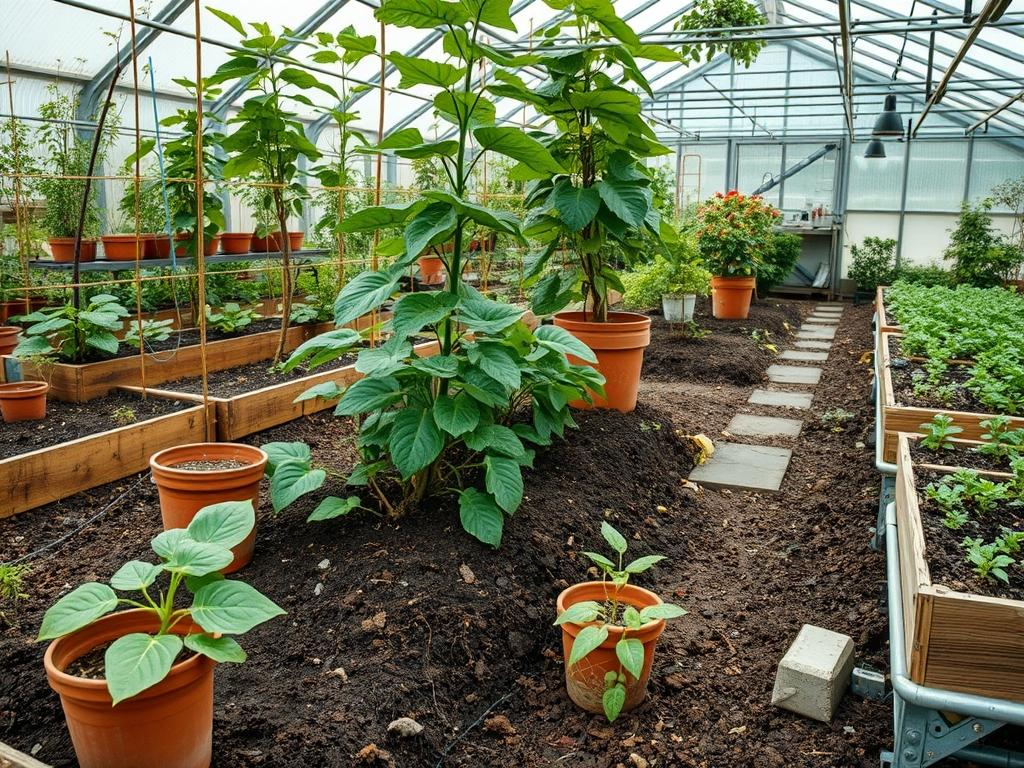
Maintaining a vibrant landscape in 2026 requires a shift in perspective. We no longer design purely for visual symmetry or seasonal color. Instead, we must architect outdoor environments that actively resist invasive pressures. The Spotted Lanternfly continues to challenge the integrity of residential and commercial properties, threatening the curb appeal and structural health of many beloved species. Effective Spotted Lanternfly Defense is not a single treatment; it is a holistic integration of horticultural best practices, precise site grading, and strategic plant selection. A professional landscape should serve as a functional sanctuary that balances human comfort with ecological resilience. When we plan these spaces, we consider how airflow, light penetration, and moisture management affect pest populations. High-value specimens like Red Maples and Black Walnuts require proactive protection through thoughtful design. By prioritizing the health of the root zone and the integrity of the canopy, we ensure that the landscape remains a long term asset rather than a maintenance liability. Successful defense hinges on understanding that a stressed plant is a target. Therefore, every design decision from the depth of the mulch to the precision of the irrigation system must aim to minimize plant stress and maximize natural vigor.
Landscape Design Principles
Professional landscape architecture relies on the foundational concepts of symmetry, focal points, and elevation layers to create a sense of order. In the context of Spotted Lanternfly Defense, these principles are adapted to reduce the density of host plants and improve visibility for monitoring. Symmetry is often achieved through the use of Boxwood or Conifers, which are less attractive to the pest than many deciduous varieties. By using these residents as the backbone of a design, we create a visual anchor that requires less chemical intervention. Focal points should be selected from resistant species or treated as high-priority zones where Circle Traps can be integrated discreetly into the aesthetic.
Elevation layering is another critical component. A tiered landscape consisting of a high canopy, an understory, and a ground cover layer allows for better air circulation. Stagnant air and high humidity in overcrowded gardens can create a microclimate that encourages pest clustering. By spacing plants according to their mature width, typically leaving a minimum of 3 feet between shrubs and 10 feet between small trees, we promote a drier environment. Irrigation planning must be precise. We utilize Drip Irrigation Lines to deliver water directly to the root zone, preventing the excess moisture on foliage that can attract secondary mold issues associated with the honeydew that lanternflies excrete. Walkways and hardscaping also play a role in this defensive geometry. Using Flagstone or Pavers to create clear borders around sensitive trees allows for easier access during egg-scraping season.
Plant and Material Selection
The following table outlines the selection criteria for building a resilient 2026 landscape. Choosing species that do not serve as preferred hosts for the insect is the most effective way to lower the overall population on a property.
| Plant Type | Sun Exposure | Soil Needs | Water Demand | Growth Speed | Maintenance Level |
| :— | :— | :— | :— | :— | :— |
| Eastern Red Cedar | Full Sun | Well-drained | Low | Moderate | Low |
| White Pine | Full/Partial | Acidic Loam | Medium | Fast | Moderate |
| Flowering Dogwood | Partial Shade | Rich, Organic | Medium | Slow | Medium |
| Japanese Cedar | Full/Partial | Moist, Loam | Medium | Moderate | Low |
| Blue Spruce | Full Sun | Sandy/Clay | Low | Slow | Moderate |
| Winterberry | Full/Partial | Wet, Acidic | High | Moderate | Low |
Implementation Strategy
The successful execution of a landscape plan begins with proper site preparation. We start with grading to ensure that water moves away from the foundation of the home and the base of high-value trees. A 2 percent slope is usually sufficient to prevent the standing water that weakens root systems. Once the grade is established, we focus on edging. Clean, crisp edges between turf and garden beds prevent grass from competing with trees for nutrients. We use Steel Edging or Trench Edging to create a permanent barrier.
Soil health is the next priority. We incorporate Organic Compost into the top 6 inches of soil before planting to improve the cation exchange capacity. When placing new specimens, the hole should be twice as wide as the root ball but no deeper. This prevents the tree from settling and becoming waterlogged. For mulch, we recommend a maximum depth of 3 inches. It is vital to avoid the “mulch volcano” around the trunk; we keep a 4 inch gap between the mulch and the bark to prevent rot and to deprive the Spotted Lanternfly of a hiding spot for egg masses. Hardscaping elements, such as Retaining Walls built from Natural Stone, should be installed with proper drainage pipes behind the wall to prevent hydrostatic pressure from damaging the structure or neighboring root zones.
Common Landscaping Failures
The most frequent mistake in modern garden planning is the failure to identify and remove the Tree of Heaven (Ailanthus altissima). This invasive species acts as the primary host for the Spotted Lanternfly; leaving even one specimen on the property will attract pests from the surrounding neighborhood. Another common error is root overcrowding. When plants are installed too close to one another, they compete for limited resources, leading to a weakened state that the insects quickly exploit.
Improper irrigation remains a significant hurdle. Many homeowners rely on overhead sprinklers that saturate the bark and foliage. This not only encourages fungal growth but also washes away some topical defensive treatments. Soil compaction is another silent killer. During construction or heavy gardening, the use of heavy machinery can crush the air pockets in the soil, leading to a condition where roots cannot breathe. We use Core Aerators periodically to mitigate this. Finally, many people fail to realize that improper pruning can leave open wounds that attract pests. Always use sharp Bypass Pruners and make clean cuts at the branch collar to facilitate rapid healing.
Seasonal Maintenance
Landscape management is a year round commitment that changes with the life cycle of the insect. In the Spring, the focus is on monitoring the emergence of nymphs. This is the time to apply Systemic Insecticides to the base of high-value trees or to install Sticky Bands protected by Wire Mesh to prevent accidental bird capture. As we move into Summer, the adult insects become more mobile. Maintenance involves regular inspections of the canopy and the use of Contact Sprays if populations become dense. We also ensure that the Irrigation System is adjusted for the heat to prevent drought stress.
Autumn is perhaps the most critical season for Spotted Lanternfly Defense. This is when the insects lay their egg masses on flat surfaces including tree trunks, stones, and outdoor furniture. We perform thorough property walks to scrape these masses into a solution of Isopropyl Alcohol. Applying a late season Dormant Oil can also help suffocate any remaining eggs. In Winter, maintenance shifts to structural pruning. Removing dead or diseased wood while the tree is dormant improves the overall health of the plant. We also take this time to inspect the integrity of Retaining Walls and Drainage Basins to ensure they are ready for the spring thaw.
Professional Landscaping FAQ
How does drainage affect Spotted Lanternfly populations?
Poor drainage creates saturated soil that stresses trees. Stressed plants emit chemical signals that attract pests. Ensuring a 2 percent grade and using French Drains keeps plants healthy and less attractive to invading insects.
What is the best mulch for pest defense?
We recommend Double-Ground Hardwood Mulch at a depth of 3 inches. It provides excellent moisture retention for the soil while remaining thin enough to avoid providing cover for egg masses at the base of the tree.
Can native plants help manage this pest?
Yes, incorporating native species like Oak and River Birch creates a more balanced ecosystem. While some natives are hosts, a diverse landscape prevents the monoculture environment that allows Spotted Lanternfly populations to explode.
Is hardscaping useful for pest control?
Hardscaping using Non-Porous Stones or Pavers limits the available soil surface for invasive weeds that can host nymphs. It also provides a clear, accessible area for property owners to inspect and treat nearby trees.
When should I call a professional architect?
Consult a professional when you notice significant canopy dieback or if you are planning a major renovation. An architect can integrate SLF Resistant Designs and proper Irrigation Infrastructure to protect your investment for 2026.