
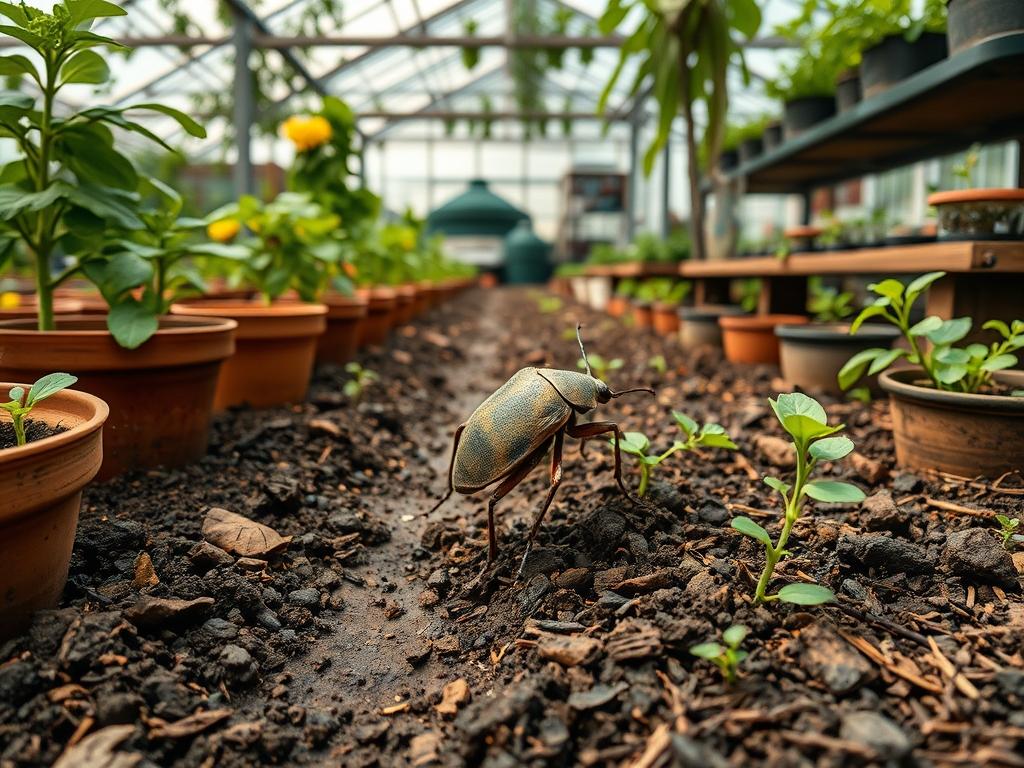
Managing a domestic landscape involves far more than simply selecting aesthetically pleasing flora and maintaining a lush lawn. For the modern homeowner, the Brown Marmorated Stink Bug represents a significant challenge to both outdoor functionality and architectural curb appeal. This invasive species, characterized by its distinctive shield shape and marbled brown exterior, does not merely damage the visual integrity of ornamental plants; it disrupts the use of outdoor living spaces and threatens the transition from the garden to the interior of the home. When planning a high-end landscape, one must consider how the arrangement of plants, the selection of hardscape materials, and the management of moisture levels can either invite or repel these persistent pests. Effective landscape design serves as the first line of defense. By understanding the biological habits of the Brown Marmorated Stink Bug, architects and consultants can create environments that remain resilient and beautiful throughout the growing season.
The primary goal of a professional garden plan is to maintain an aesthetic threshold while minimizing the density of pest populations. High-density plantings often create microclimates of high humidity and stagnant air, which are ideal for the Brown Marmorated Stink Bug. Therefore, the integration of airflow and light penetration becomes a structural necessity rather than a stylistic choice. We must look at the garden as a holistic system where drainage, plant spacing, and material selection work in concert to discourage infestation. A well-designed landscape should highlight the architectural features of the home without providing the dense, shaded cover that these insects use for breeding and feeding. By prioritizing structural clarity and plant health, we ensure that the outdoor environment remains a sanctuary for inhabitants rather than a breeding ground for invasive species.
Landscape Design Principles
Symmetry and focal points are the cornerstones of a balanced landscape, but they must be executed with an awareness of pest pathways. When designing a focal point, such as a signature Japanese Maple or a grouping of Fruit Trees, it is vital to provide enough clearance from the residential structure. The Brown Marmorated Stink Bug often uses tall, dense vegetation as a staging ground before migrating toward the siding of a house in the autumn. By maintaining a clear buffer zone of Crushed Stone or River Rock at least 12 inches wide around the foundation, we reduce the physical bridges available to the insects.
Elevation layers also play a significant role in bug management. A tiered garden design involving Retaining Walls and varied soil heights can improve drainage, reducing the damp conditions that many pests favor. Irrigation planning must be precise. Avoid overhead sprinklers that leave foliage wet for extended periods; instead, opt for Drip Irrigation systems that deliver water directly to the root zone. This keeps the canopy dry and less inviting for shield bugs. Furthermore, when laying out walkways, use materials like Flagstone or Permeable Pavers with tight joints. Large gaps in masonry can provide overwintering sites for the bugs, so a professional-grade polymeric sand should be used to seal all transitional spaces between stones.
Plant and Material Selection
| Plant Type | Sun Exposure | Soil Needs | Water Demand | Growth Speed | Maintenance Level |
| :— | :— | :— | :— | :— | :— |
| Eastern Redbud | Full Sun/Part Shade | Well-Drained | Medium | Moderate | Low |
| Butterfly Bush | Full Sun | Well-Drained | Low | Fast | Medium |
| Winterberry Holly | Full Sun/Part Shade | Acidic/Moist | High | Slow | Low |
| American Elderberry| Full Sun/Part Shade | Rich/Moist | Medium | Fast | Medium |
| Switchgrass | Full Sun | Variable | Low | Moderate | Low |
| Catalpa Tree | Full Sun/Part Shade | Adaptive | Moderate | Fast | High |
Implementation Strategy
The successful execution of a pest-resistant landscape begins with careful subgrade preparation and grading. To control the Brown Marmorated Stink Bug, we must ensure that the site does not hold excess moisture near the home foundation. Grading should always slope away from the structure at a minimum rate of 2 percent. This prevents the pooling of water which can attract a variety of unwanted insects. Once the grade is established, the installation of high-quality edging is necessary to define the boundaries between lawns and planting beds. Using Steel Edging or Paver Restraints creates a crisp line that is easy to maintain and prevents the encroachment of tall grasses where pests may hide.
When it comes to mulching, depth is a critical factor. Apply a layer of Double-Shredded Hardwood Mulch at a depth of exactly 2 to 3 inches. Over-mulching creates a spongy, humid environment that many insects find attractive for hiding. For areas directly adjacent to the home, consider replacing organic mulch with Inorganic Aggregates like Pea Gravel or Lava Rock. These materials do not decompose, they dry out quickly, and they do not provide the organic matter that supports a diverse pest population. Hardscaping features, such as patios and outdoor kitchens, should be constructed with high-quality sealants to ensure that the Brown Marmorated Stink Bug cannot find refuge in masonry cracks during the colder months.
Common Landscaping Failures
One of the most frequent mistakes in residential landscaping is root overcrowding and improper plant spacing. When shrubs are planted too close together, they eventually grow into a single, impenetrable mass. This lack of airflow traps moisture and protects the Brown Marmorated Stink Bug from natural predators like birds and predatory wasps. It also makes it nearly impossible to apply topical treatments effectively if an infestation occurs. Always consult the mature width of a plant species before installation and ensure that there is at least 18 to 24 inches of space between the foliage and the home exterior.
Soil compaction is another silent failure that affects long-term garden health. Compacted soil prevents proper drainage, leading to stressed plants that emit chemical signals which can actually attract pests. Utilizing an Aerator or incorporating Organic Compost can help maintain a porous soil structure. Furthermore, irrigation inefficiencies, such as misaligned sprinkler heads that spray directly onto the siding of the house or the trunk of a tree, create an invitation for invasive species. Check your system monthly to ensure that water is being directed where it is needed and not creating pest-friendly damp spots on architectural surfaces.
Seasonal Maintenance
In the spring, the focus should be on cleaning up debris and inspecting the landscape for the first signs of activity. Remove dead wood from trees and shrubs using Pruning Shears to improve light penetration. This is also the time to apply a pre-emergent barrier if necessary, focusing on the perimeter of the garden. During the summer months, monitor “sentinel” plants like the Catalpa Tree or Elderberry for egg masses on the undersides of leaves. Hand-pulling weeds and maintaining a short lawn height will also reduce the available habitat for nymphs as they develop.
Autumn is perhaps the most critical season for controlling the Brown Marmorated Stink Bug. As temperatures drop, the bugs seek out sun-warmed surfaces, primarily the south-facing walls of the home. This is the time to ensure all cracks in the hardscape are sealed and to prune back any branches that have grown to touch the house. In the winter, landscape management shifts toward planning and structural maintenance. Clean and store all garden supports and stakes, as these can harbor overwintering adults. Use the dormant season to evaluate the overall structure of the garden and identify areas where thinning or plant replacement can improve the resilience of the landscape for the following year.
Professional Landscaping FAQ
How does mulch type affect stink bug populations?
Organic mulches like cedar or pine bark retain moisture and provide hiding spots. Using inorganic materials like River Rock or Crushed Granite near the foundation creates a dry, exposed barrier that discourages insects from approaching the home.
Can certain plants act as traps for these pests?
Yes, plants like the Butterfly Bush or Sunflowers can act as trap crops. By placing these toward the perimeter of the property, you can lure the Brown Marmorated Stink Bug away from more sensitive ornamental plants and the residential structure.
What is the ideal distance between plants and the house?
Maintain a minimum clearance of 2 feet between any foliage and the exterior walls. This prevents direct bridges for pests to crawl onto the siding and allows for proper airflow, which keeps the building envelope dry and less attractive.
Why is drainage important for pest control?
Standing water and high humidity create a hospitable environment for many invasive species. Proper grading and the use of French Drains ensure that excess moisture is redirected away from the garden, making the habitat less appealing to the Brown Marmorated Stink Bug.
Does pruning help reduce bug infestations?
Regular pruning increases sun exposure and airflow within the plant canopy. This makes the environment less humid and more visible to predators. Removing dense interior growth reduces the sheltered areas where stink bugs typically congregate and feed.