
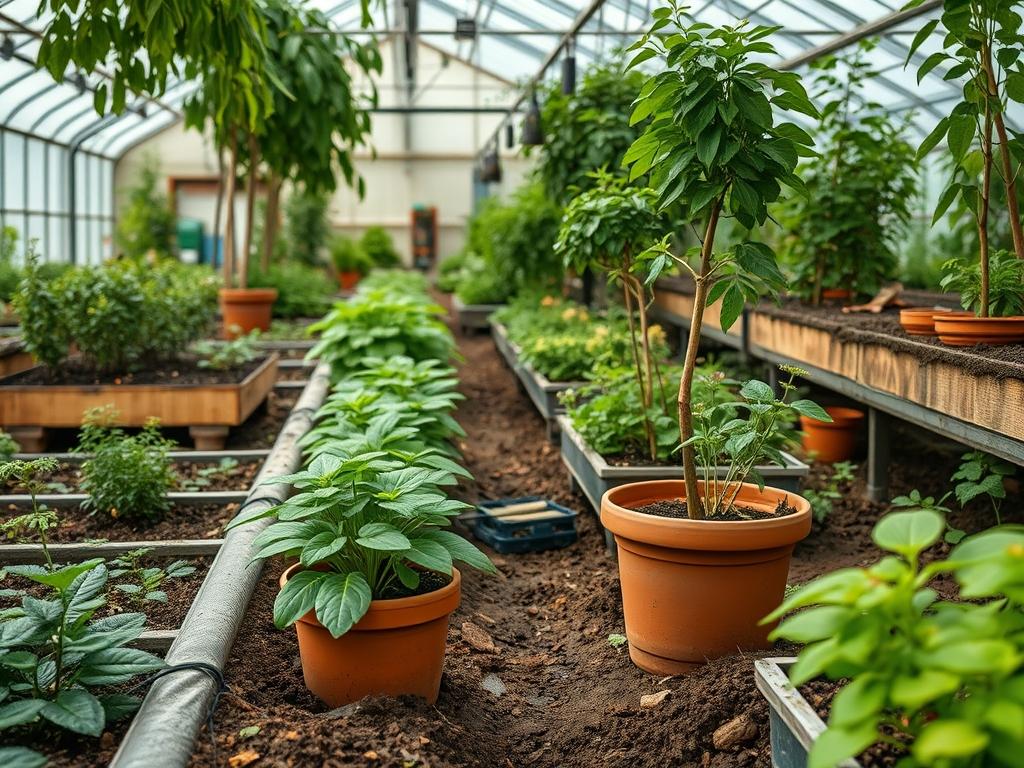
Developing a resilient orchard requires an intimate understanding of environmental stressors and the biological vulnerabilities of woody ornamentals. When a landscape architect designs a fruit-bearing grove or a specimen-heavy backyard, the primary goal is to balance aesthetic symmetry with long-term biological stability. The sudden decline of a centerpiece tree can devastate the curb appeal and the functional shade of a property, making the management of pests like the Ambrosia beetle a top priority. These tiny wood-boring insects target stressed trees by drilling deep into the heartwood and introducing a symbiotic fungus that clogs the vascular system. Because chemical residues are often undesirable in a residential edible landscape, professional designers and arborists must rely on the best organic Ambrosia beetle cures to maintain the integrity of the site. Success begins with soil preparation and ends with vigilant, seasonally adjusted monitoring to ensure the outdoor environment remains both productive and visually striking.
Landscape Design Principles
Symmetry and focal points serve as the backbone of any professional garden layout. In an orchard setting, this often manifests as a grid or a structured hedgerow that leads the eye toward a central patio or water feature. However, visual balance is easily disrupted if the trees are not healthy. To ensure a thriving environment, designers must prioritize elevation layers and irrigation planning long before the first hole is dug. Placing trees on a slight mound or a graded slope prevents the “wet feet” syndrome, a primary stressor that causes trees to release ethanol. Ethanol acts as a chemical beacon for Ambrosia beetles, signaling that a tree’s immune system is compromised.
Walkways should be designed to provide easy access for maintenance equipment without causing soil compaction near the root zones. Using porous materials like crushed granite or permeable pavers ensures that oxygen and water reach the roots equitably. Furthermore, the use of visual layers, where lower-growing shrubs or perennial herbs are placed at the base of larger trees, can create a micro-ecosystem that supports predatory insects. A well-balanced landscape does not just look beautiful; it functions as a self-regulating shield against infestations. By integrating variety in species, you avoid the “monoculture trap” where a single pest can travel through an entire row of identical trees without resistance.
Plant and Material Selection
Selecting the right cultivars is the most effective way to prevent the need for rescue treatments. The following table outlines standard selections for a high-end organic orchard and their specific environmental requirements.
| Plant Type | Sun Exposure | Soil Needs | Water Demand | Growth Speed | Maintenance Level |
| :— | :— | :— | :— | :— | :— |
| Gala Apple | Full Sun | Loamy/Well-drained | 1 to 2 inches/week | Moderate | High |
| Bartlett Pear | Full Sun | Slightly Acidic | 1 inch/week | Fast | Moderate |
| Bing Cherry | Full Sun | Deep/Sandy Loam | 1.5 inches/week | Moderate | High |
| American Elderberry | Part Shade to Sun | Rich/Moist | 1 inch/week | Very Fast | Low |
| Native Pawpaw | Part Shade | Organic/Humus-rich | High | Slow | Medium |
| Flowering Dogwood | Part Shade | Acidic/Well-drained | Moderate | Slow | Medium |
Implementation Strategy
The transition from a design blueprint to a living landscape requires a strict sequence of operations. The first step involves site grading to ensure that water moves away from the trunks of the trees. A 2 percent grade is generally sufficient to prevent stagnation while allowing for deep infiltration. Once the grading is complete, the installation of a 4-inch perforated drainage pipe in a gravel-filled trench may be necessary if the site has heavy clay soil. This prevents the anaerobic conditions that trigger the ethanol production which attracts beetles.
When planting, the hole should be twice as wide as the root ball but no deeper than the height of the root flare. Setting a tree too deep suffocates the roots and creates a direct entry point for wood-boring pests. After the tree is set, apply a 3-inch layer of hardwood mulch around the base, ensuring the mulch does not actually touch the bark. This allows for moisture retention and weed suppression without inviting fungal rot. For beetle prevention, organic deterrents like Verbenone dispensers can be hung from the branches. These dispensers release a pheromone that tells incoming beetles the tree is already occupied, effectively warding them off without the use of toxic sprays.
Common Landscaping Failures
The most frequent mistake in orchard planning is improper spacing, which leads to poor air circulation. When branches overlap, they trap humidity and create a breeding ground for both fungi and beetles. Professional standards suggest a minimum of 15 to 20 feet between standard-sized fruit trees. Another common failure is the use of high-nitrogen fertilizers in late summer. This encourages a flush of soft, succulent growth that is highly attractive to pests and susceptible to winter kill.
Irrigation inefficiencies also rank high among landscaping errors. Drip irrigation is preferred over overhead sprinklers because keeping the trunk dry is essential for preventing the bark from softening. Soft bark is much easier for an Ambrosia beetle to penetrate. Additionally, soil compaction from heavy machinery during construction can linger for years, stunting tree growth and making the specimen a permanent target for wood-boring insects. Remediating compaction with air-spading or organic compost top-dressing is vital for restoring the health of a declining orchard.
Seasonal Maintenance
Landscape management is a year-round commitment that changes with the life cycle of the trees and their predators.
- Spring: This is the most critical window for Ambrosia beetle management. As temperatures rise above 60 degrees Fahrenheit, adult beetles emerge from the forest floor. Install ethanol traps at the perimeter of the orchard to monitor population levels. Apply neem oil or a kaolin clay slurry to the trunks of young trees to create a physical and chemical barrier against boring.
- Summer: Focus on deep, infrequent watering to keep trees hydrated during heat waves. Stress from drought is a major invitation for secondary pest attacks. Prune out any “flagging” branches, which are small limbs that suddenly wilt, as they may contain early-stage beetle larvae.
- Autumn: Sanitation is the priority. Remove all fallen fruit and leaf litter, which can harbor pathogens over the winter. Avoid heavy pruning at this time, as the wounds will not have time to callous before the first frost, leaving the tree’s vascular system exposed.
- Winter: Perform structural pruning while the trees are dormant. This is also the time to apply dormant oil to smother overwintering eggs of other pests like aphids or scales. If any trees were lost to beetles during the year, they must be removed and burned or chipped immediately to prevent the larvae from emerging in the spring.
Professional Landscaping FAQ
What is the best organic cure for an active Ambrosia beetle infestation?
Once beetles have entered the tree, the most effective organic cure is immediate sanitation. Cut and burn infested limbs to prevent the larvae from maturing and spreading. For the rest of the orchard, use Verbenone pheromone pouches to repel new arrivals.
How can I tell if my orchard trees are being attacked?
Look for small, white toothpicks of sawdust protruding from the bark. These are called frass tubes. They are created as the beetle pushes wood shavings out of its gallery. You may also see small, round entry holes about the size of a pencil lead.
Does mulch attract Ambrosia beetles to my landscape?
Freshly chipped wood mulch from an infested tree can harbor beetles, but standard aged hardwood mulch generally does not. In fact, mulch helps maintain soil moisture, which reduces tree stress and makes the trees less attractive to the beetles.
Can organic sprays like neem oil actually stop wood-borers?
Neem oil acts as a repellent and a growth disruptor. While it may not kill a beetle already deep inside the wood, regular applications to the trunk during the spring emergence can discourage new beetles from landing and beginning the boring process.
Are certain tree species more resistant to these beetles?
While many trees are susceptible when stressed, healthy native species like White Oak or Southern Magnolia often have stronger natural defenses. Maintaining high vigor through proper drainage and soil nutrition is the best universal resistance strategy for any species.