
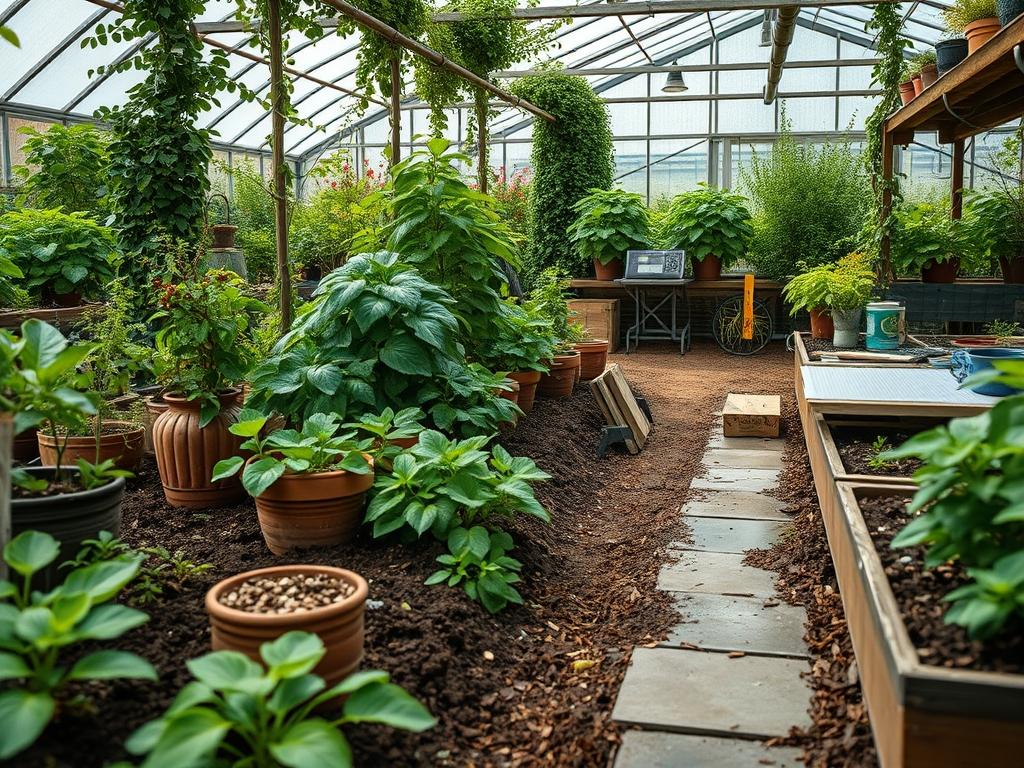
The aesthetic integrity of a professional landscape depends heavily on the health and vitality of its focal species. When integrating Tropical Hibiscus or Rose of Sharon into a Mediterranean or subtropical garden design, the landscape architect must account for specific biological threats that can compromise curb appeal. One of the most insidious challenges in these environments is the presence of snout beetles, specifically those within the Anthonomus genus. While the most famous member of this family is the cotton-feeding variety, its close relatives frequently target ornamental hibiscus. Effective Boll Weevil Identification is the first line of defense in preserving the functional beauty of an outdoor living space. These pests do not merely nibble on leaves; they strike at the reproductive heart of the plant, causing premature bud drop and halting the flowering cycle that provides the garden’s primary color splashes.
From an architectural perspective, a garden serves as an extension of the home’s interior, demanding consistent performance from every botanical element. A sudden loss of blooms due to a weevil infestation transforms a vibrant privacy screen or centerpiece into a sterile, green wall. This disruption affects the visual balance and the perceived value of the property. Successful management requires a holistic understanding of how climate, particularly humidity and persistent warmth, creates a breeding ground for these insects. By identifying the signs of infestation early, such as small puncture marks in flower buds or a high volume of unspent buds littering the mulch beds, a consultant can pivot the maintenance strategy to protect the client’s investment. This proactive approach ensures that the outdoor environment remains a functional, welcoming space throughout the growing season.
Landscape Design Principles
Symmetry and focal points are the cornerstones of a balanced landscape. When we deploy Hibiscus rosa-sinensis as a centerpiece or in a formal hedge, we rely on its consistent blooming schedule to anchor the visual weight of the garden. Designing with pests in mind means creating “ventilation corridors” between plants. Root overcrowding and dense, stagnant air pockets allow weevils to move undetected between specimens. By maintaining a minimum of 36 inches of clearance between mature hibiscus shrubs, we facilitate better air circulation and make Boll Weevil Identification significantly easier during routine inspections.
Elevation layers play a crucial role in pest management and visibility. Utilizing retaining walls or raised planters can bring hibiscus closer to eye level, allowing the homeowner or maintenance crew to inspect the terminal ends of branches more effectively. This verticality creates a tiered visual effect while simultaneously improving drainage. Irrigation planning must also be precise. Over-head watering should be avoided in favor of drip irrigation or soaker hoses. Keeping the foliage and buds dry reduces the humidity levels within the canopy, making the environment less hospitable to adult weevils and preventing the fungal rot that often accompanies bud damage.
Walkways and hardscaping should be designed to allow 360-degree access to large hibiscus specimens. If a plant is tucked away in a corner or blocked by a dense groundcover like Asiatic Jasmine, early signs of weevil activity will go unnoticed. A well-designed garden incorporates flagstone paths or pea gravel borders around sensitive species. These clear zones act as a visual stage, highlighting any fallen buds that might indicate an active infestation. This level of accessibility ensures that the garden’s structural elements work in harmony with the biological needs of the flora.
Plant and Material Selection
| Plant Type | Sun Exposure | Soil Needs | Water Demand | Growth Speed | Maintenance Level |
| :— | :— | :— | :— | :— | :— |
| Tropical Hibiscus | Full Sun | Well-drained, Acidic | High | Fast | High |
| Rose of Sharon | Full to Part Sun | Adaptable, Loamy | Moderate | Medium | Low |
| Confederate Rose | Full Sun | Rich, Moist | Moderate | Rapid | Medium |
| Texas Star Hibiscus | Full Sun | Boggy or Moist | Moderate | Medium | Low |
| Red Cedar Mulch | N/A | Weed Suppressant | N/A | N/A | Annual Refresh |
| Pea Gravel | N/A | Drainage Layer | N/A | N/A | Low |
Implementation Strategy
Implementing a resilient garden layout begins with professional grading. The site must be sloped at a minimum of 2 percent away from the home’s foundation and towards a designated drainage area or French drain. Proper grading ensures that hibiscus roots do not sit in standing water, which can stress the plant and make it more susceptible to pest vulnerabilities. Once the site is graded, edging materials such as steel bender board or stone pavers should be installed to define the planting beds clearly. This separation prevents turf grass from competing with the hibiscus for vital nutrients and moisture.
The next step involves soil preparation. Hibiscus thrive in high-organic matter environments. We recommend tilling in 2 to 4 inches of composted organic material and a slow-release fertilizer into the top 12 inches of the soil profile. When placing the plants, ensure the root ball is slightly above the surrounding soil grade to account for settling. After planting, a 3-inch layer of shredded hardwood mulch or pine bark should be applied, but it must be kept several inches away from the base of the stems. This “doughnut” mulching technique prevents stem rot and allows for easier Boll Weevil Identification by providing a clean surface to spot dropped buds.
If the landscape includes large-scale hardscaping, such as a natural stone retaining wall, the hibiscus should be positioned at least 24 inches back from the edge. This provides sufficient room for the root system to expand without putting pressure on the wall structure. For irrigation, install a pressure-regulated drip system with emitters placed at the drip line of each plant. This delivery method ensures water reaches the roots directly, minimizing evaporation and keeping the canopy dry to discourage weevil migration.
Common Landscaping Failures
The most frequent error in hibiscus management is the failure to address drainage. Soil compaction, often caused by heavy construction equipment or foot traffic, prevents oxygen from reaching the roots. In compacted soil, hibiscus growth slows, and the plant’s natural chemical defenses against pests are weakened. If the soil does not drain within four hours of a heavy rain, the landscape is at risk of system failure. Installing a subsurface drainage system or incorporating expanded shale can mitigate this issue and restore plant vigor.
Another common pitfall is root overcrowding. When plants are spaced too closely for immediate “instant impact” curb appeal, they quickly compete for resources. This competition leads to thin, leggy growth and creates a continuous bridge for pests. If Boll Weevil Identification occurs in one plant, it will spread to the entire hedge within days if the canopies are interlocked. Furthermore, irrigation inefficiencies, such as misaligned sprinkler heads spraying directly onto flower buds, create a moist microclimate that accelerates the weevil’s life cycle.
Finally, “mulch volcanoes” pose a significant threat. Piling mulch high against the trunk of the hibiscus creates a dark, moist environment that hides pests and promotes fungal infections. This practice makes it nearly impossible to inspect the lower branches for weevil activity. A professional landscape requires precise mulch depth and placement to function as an insulator and weed suppressant without becoming a liability to the plant’s health.
Seasonal Maintenance
Spring is the critical season for initial Boll Weevil Identification and prevention. As temperatures rise above 60 degrees Fahrenheit, adult weevils emerge from their overwintering sites in the leaf litter. Landscape technicians should perform a thorough “sanitation sweep” by removing any old mulch and replacing it with a fresh layer of Red Cedar Mulch. This is also the time to apply a systemic insecticide if the garden has a history of infestation. Pruning should be focused on opening up the center of the plant to maximize light penetration and air movement.
Summer maintenance involves daily monitoring. Because the weevil life cycle can be as short as two to three weeks in the heat, an infestation can escalate rapidly. Any buds that appear yellowed or exhibit small, circular exit holes must be removed and destroyed immediately. Do not compost these buds; the larvae can survive the composting process and re-infest the garden. Ensure that the drip irrigation system is functioning correctly to prevent drought stress, which attracts pests.
During Autumn, the focus shifts to reducing overwintering habitats. Clear away all fallen leaves and spent flowers from the base of the plants. This is the best time for a “hard prune” of certain hibiscus varieties to remove potential egg-laying sites. Applying a final round of fertilizer with a lower nitrogen content will help the plant harden off for the cooler months without encouraging the lush, soft growth that weevils find attractive.
In Winter, maintenance is largely structural. Protect the root zones of tropical varieties with an extra layer of mulch if a freeze is expected. Use this dormant period to inspect the skeleton of the plant for any signs of bark damage or structural weaknesses. Cleaning the French drains and checking the grading of the beds ensures that the garden will be ready for the spring growth spurt without the risk of waterlogging.
Professional Landscaping FAQ
How can I tell if a dropped hibiscus bud is caused by weevils?
Inspect the fallen bud for tiny, circular puncture marks. If you cut the bud open, you may find small white larvae or a gritty, frass-filled interior. This is the definitive method for Boll Weevil Identification in the landscape.
Will decorative mulch help prevent weevil infestations?
While mulch does not stop weevils, using a clean, light-colored material like pine bark makes it easier to spot fallen buds. Keeping mulch away from the stem prevents excess moisture that might protect weevils during their pupation stage in the soil.
Can I use overhead sprinklers for my hibiscus garden?
Overhead irrigation is discouraged for hibiscus. It increases canopy humidity and can knock buds off prematurely, making it difficult to distinguish between mechanical damage and pest-related bud drop. Stick to drip irrigation for targeted, efficient water delivery.
What is the best spacing for hibiscus to prevent pest spread?
For most varieties, a spacing of 3 to 5 feet between centers is ideal. This allows for adequate air movement and prevents the branches from touching, which slows the movement of crawling pests across your landscape ornamental beds.
Should I remove all hibiscus if I find weevils?
No, complete removal is rarely necessary. Implementing a strict sanitation program, improving drainage, and using targeted treatments can manage the population. Integrated Pest Management focuses on balance rather than total eradication to maintain a healthy garden ecosystem.